Following the people and events that make up the research community at Duke

Students exploring the Innovation Co-Lab

Category: Biology Page 15 of 32

Exercise is Good for Your Head and Might Fight Alzheimer’s

Recent studies have confirmed that exercising is just about the best thing you can do for your brain health.
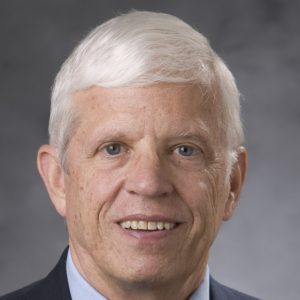
Dan Blazer, MD is a psychiatrist who studies aging.

On Dec. 1 during the DIBS event, Exercise and the Brain, Duke psychiatrist Dan Blazer reported findings about the relationship between physical activity and brain health. After lots of research, study groups at the National Academy of Medicine  concluded that their number one recommendation to those experiencing “cognitive aging” is exercise.

Processing speed, memory, and reasoning decline over time in every one of us. But thankfully, simple things like riding a bike or playing pick up basketball can help keep our minds fresh and at their best possible level.

One cool thing a committee conducting the research did to advertise their findings was create keychains saying “take your brain for a walk.” There’s a little image of a brain with legs walking. They wanted to get the word out that physical activity has another benefit than just staying in shape — it can also support your cognitive health.

However, the committees are having a hard time motivating people to exercise in the first place. Even after hearing their findings, it’s not like people everywhere are suddenly going to get off their couches and hit the gym. A world with healthier people — both physically and mentally — sounds nice, but getting there is much more than a matter of publishing these studies.

And, as always, too much of a good thing can make it harmful. While there does seem to appear a potential “biological gradient,” where greater physical activity correlated with better outcomes, you can’t just run a marathon every day of the week and then ~boom~ aging hardly affects your brain anymore. You don’t want to do that to yourself. Just get a healthy amount of exercise and you’ll be keeping your brain young and smart.

One of the best parts about why exercising is so great for you and your brain is because it helps you sleep (and we all know how important sleep is). If you ever have trouble going to bed or are having disrupted sleeps, physical activity could be your savior. It’s a much healthier option for your brain than taking stuff like melatonin, and you’ll get fit in the process.

Regarding exercising and Alzheimer’s, a disease where vital mental functions deteriorate, studies have unfortunately been insufficient to conclude anything. But if getting Alzheimer’s is your worst fear, I’m sure staying active can’t hurt as a preventative. More research on this topic is being conducted as we speak.

When is the best time to start exercising, in order to reap the maximum cognitive benefits, you ask? Well, the sooner the better. As Blazer said, “exercising helps in maintaining or improving cognitive function in later life,” so you better get on that. Go outside and get moving!

Will Sheehan      Post by Will Sheehan


How We Know Where We Are

The brain is a personalized GPS. It can keep track of where you are in time and space without your knowledge.

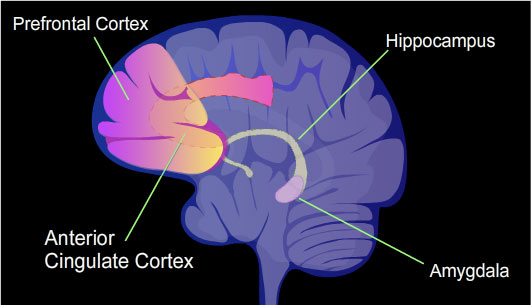
The hippocampus is a key structure in formation of memories and includes cells that represent a person’s environment.

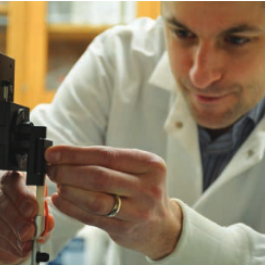
Daniel Dombeck PhD, and his team of researchers at Northwestern University have been using a technique designed by Dombeck himself to figure out how exactly the brain knows where and when we are. He shared his methods and findings to a group of researchers in neurobiology at Duke on Tuesday.

Domeck and his lab at Northwestern are working at identifying exactly how the brain represents spatial environments.

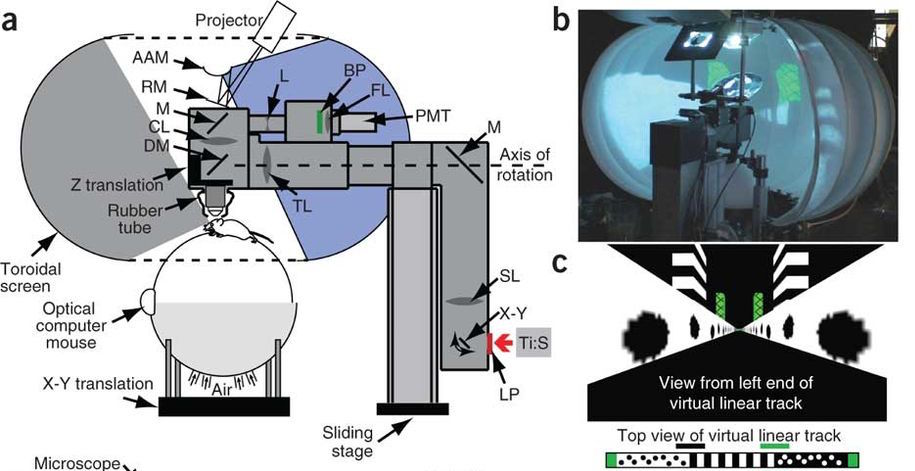
The apparatus used for these experiments was adapted from a virtual reality system. They position a mouse on a ball-like treadmill that it manipulates to navigate through a virtual reality field or maze projected for the mouse to see. Using water as a reward, Dombeck’s team was able to train mice to traverse their virtual fields in a little over a week.

In order to record data about brain activity in their mice as they navigated virtual hallways, Dombeck and his team designed a specialized microscope that could record activity of single cells in the hippocampus, a deep brain structure previously found to be involved in spatial navigation.

The device allows researchers to observe single cells as a mouse navigates through a simulated hallway.

Previous research has identified hippocampal place cells, specialized cells in the hippocampus that encode information about an individual’s current environment. The representations of the environment that these place cells encode are called place fields.

Dombeck and his colleague Mark Sheffield of the University of Chicago were interested in how we encode new environments in the hippocampus.

Sheffield studied the specific neural mechanisms behind place field formation.

After training the mice to navigate in one virtual environment, Sheffield switched the virtual hallway, thus simulating a new environment for the mouse to navigate.

They found that the formation of these new place cells uses existing neural networks initially, and then requires learning to adapt and strengthen these representations.

After identifying the complex system representing this spatial information, Dombeck and colleagues wondered how the system of representing time compared.

Jim Heys, a colleague of Dombeck, designed a new virtual reality task for the lab mice.

In order to train the mice to rely on an internal representation of passing time, Heys engineered a door-stop task, where a mouse traversing the virtual hallway would encounter an invisible door. If the mouse waited 6 seconds at the door before trying to continue on the track, it would be rewarded with water. After about three months of training the mice, Heys was finally able to collect information about how they encoded the passing of time.

Heys indentified cells in the hippocampus that would become active only after a certain amount of time had passed – one cell would be active after 1 second, then another would become active after 2 seconds, etc. until the 6-second wait time was reached. Then, the mouse knew it was safe to continue down the hallway.

When comparing the cells active in each different task, Dombeck and Heys found that the cells that encode time information are different from the cells that encode spatial information. In other words, the cells that hold information about where we are in time are separate from the ones that tell us where we are in space.

Still these cells work together to create the built-in GPS we share with animals like mice.

By Sarah Haurin

Panic in the Poster Session!

For their recent retreat, Regeneration Next tried something a little different for the time-honored poster session.

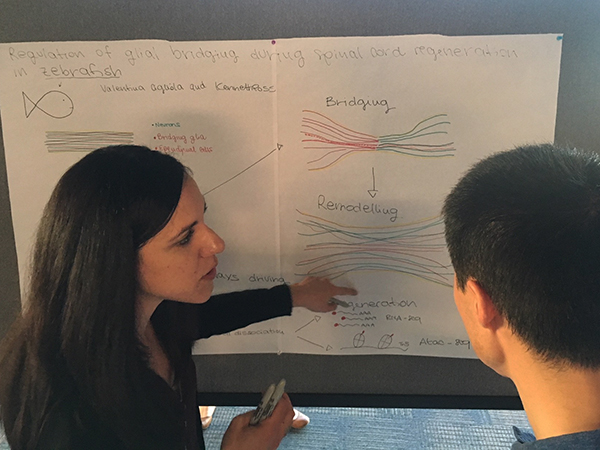
Rather than simply un-tubing that poster they took to the American Association of Whatever a few months ago, presenters were asked to DRAW their poster fresh and hot on a plain sheet of white paper in 15 minutes, using nothing more than an idea and a couple of markers.

Concerns were shared, shall we say, with the leadership of the regenerative medicine initiative when the rules were announced.

“People are always nervous about something they haven’t tried before,” said Regeneration Next Executive Director Sharlini Sankaran. “There was a lot of anxiety about the new format and how they would explain their research without charts and graphs.”

There was palpable poster panic as the retreat moved to the wide open fifth floor of the Trent Semans Center in the late afternoon. Administrative coordinator Tiffany Casey had spread out a rainbow of brand-new sharpies and the moveable bulletin boards stood in neat, numbered ranks with plain white sheets of giant post-it paper.

After some nervous laughter and a few attempts at color-swapping, the trainees and junior faculty got down to drawing their science on the wobbly tackboards.

And then, it worked! It totally worked. “I think I saw a lot more interactivity and conversation,” Sankaran said.

Valentina Cigliola

A fist-full of colorful sharpies gave Valentina Cigliola a colorful launching point for some good conversations about spinal cord repair, rather than just standing there mutely while visitors read and read and read.


Louis-Jan Pilaz

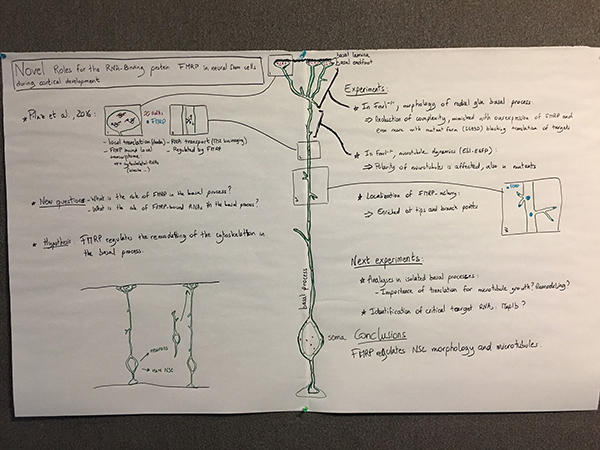
Louis-Jan Pilaz used the entire height of the giant post-it notes to draw a beautifully detailed neuron, with labeled parts explaining how the RNA-binding protein FMRP does some neat tricks during development of the cortex.


Delisa Clay

Delisa Clay’s schematics of fruitfly cells having too many chromosomes made it easier to explain. Well, that and maybe a glass of wine.


Jamie Garcia

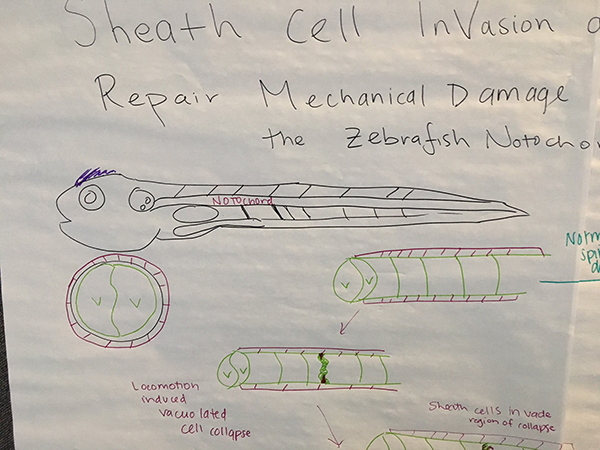
Jamie Garcia used her cell-by-cell familiarity with the zebrafish to make a bold, clear illustration of notochord development and the fish’s amazing powers of self-repair.


Lihua Wang

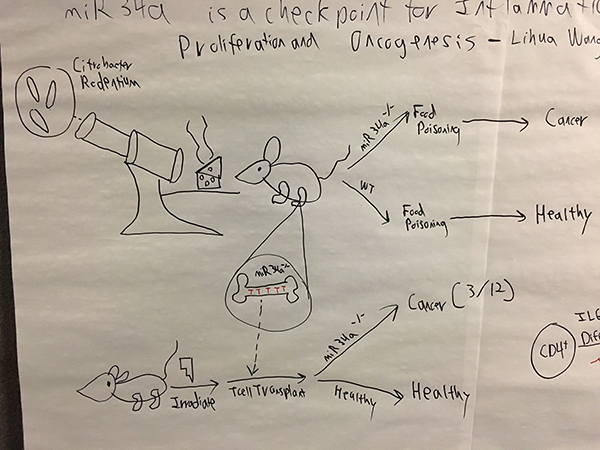
Don’t you think Lihua Wang’s schematic of experimental results is so much more clear than a bunch of panels of tiny text and bar charts?

In the post-retreat survey, Sankaran said people either absolutely loved the draw-your-poster or hated it, but the Love group was much larger.

“Those who hated it felt they couldn’t represent data accurately with hand-drawn charts and graphs,” Sankaran said. “Or that their artistic skills were ‘being judged’.”

A few folks also pointed out that the drawing approach might work against people with a disability of some sort – a concern Sankaran said they will try to address next time.

There WILL be a next time, she added. “I had a few trainees come up to me to say they weren’t sure how it was going to go, but then they said they had fun!”

Post and pix by Karl Leif Bates, whose hand-drawn poster on working with the news office contained no data and was largely ignored.

Opportunities at the Intersection of Technology and Healthcare

What’d you do this Halloween?

I attended a talk on the intersection of technology and healthcare by Dr. Erich Huang, who is an assistant professor of Biostatistics & Bioinformatics and Assistant Dean for Biomedical Informatics. He’s also the new co-director of Duke Forge, a health data science research group.

This was not a conventional Halloween activity by any means, but I felt lucky to be exposed to this impactful research surrounded by views of the Duke forest in fall in Penn Pavilion at IBM-Duke Day.

Erich Huang

Erich Huang, M.D., PhD. is the co-director of Duke Forge, our new health data effort.

Dr. Huang began his talk with a statistic: only six out of 53 landmark cancer biology research papers are reproducible. This fact was shocking (and maybe a little bit scary?), considering  that these papers serve as the foundation for saving cancer patients’ lives. Dr. Huang said that it’s time to raise standards for cancer research.

What is his proposed solution? Using data provenance, which is essentially a historical record of data and its origins, when dealing with important biomedical data.

He mentioned Duke Data Service (DukeDS), which is an information technology service that features data provenance for scientific workflows. With DukeDS, researchers are able to share data with approved team members across campus or across the world.

Next, Dr. Huang demonstrated the power of data science in healthcare by describing an example patient. Mr. Smith is 63 years old with a history of heart attacks and diabetes. He has been having trouble sleeping and his feet have been red and puffy. Mr. Smith meets the criteria for heart failure and appropriate interventions, such as a heart pump and blood thinners.

A problem that many patients at risk of heart failure face is forgetting to take their blood thinners. Using Pillsy, a company that makes smart pill bottles with automatic tracking, we could record Mr. Smith’s medication taking and record this information on the blockchain, or by storing blocks of information that are linked together so that each block points to an older version of that information. This type of technology might allow for the recalculation of dosage so that Mr. Smith could take the appropriate amount after a missed dose of a blood thinner.

These uses of data science, and specifically blockchain and data provenance, show great opportunity at the intersection of technology and healthcare. Having access to secure and traceable data can lead to research being more reproducible and therefore reliable.

At the end of his presentation, Dr. Huang suggested as much collaboration in research between IBM and Duke as possible, especially in his field. Seeing that the Research Triangle Park location of IBM is the largest IBM development site in the world and is conveniently located to one of the best research universities in the nation, his suggestion makes complete sense.

By Nina Cervantes        

Smoking Weed: the Good, Bad and Ugly

DURHAM, N.C. — Research suggests that the earlier someone is exposed to weed, the worse it is for them.

Very early on in our life, we develop basic motor and sensory functions. In adolescence, our teenage years, we start developing more complex functions — cognitive, social and emotional functions. These developments differ based on one’s experience growing up — their family, their school, their relationships — and are fundamental to our growth as healthy human beings.

This process has shown to be impaired when marijuana is introduced, according to Dr. Diana Dow-Edwards of SUNY Downstate Medical Center.

Sure, a lot of people may think marijuana isn’t so bad…but think again. At an Oct. 11 seminar at Duke’s Center on Addiction & Behavior Change, Dow-Edwards enlightened those who attended with correlations between smoking the reefer and things like IQ, psychosis and memory.

(https://media.makeameme.org/created/Littering-and-SMOKIN.jpg)

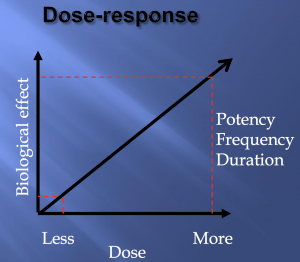
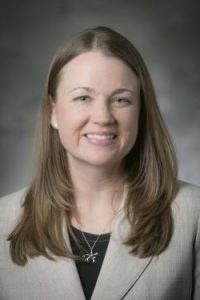
Dow-Edwards is currently a professor of physiology and pharmacology and clearly knows her stuff. She was throwing complicated graphs and large studies at us, all backing up her primary claim: the “dose-response relationship.” Basically the more you smoke (“dose”), the more of a biological effect it will have on you (“response”).

Looking at pot users after adolescence showed that occasionally smoking did not cause a big change in IQ, and frequently smoking affected IQ a little. However, looking at adults who smoked during adolescence correlated to a huge drop of around 7 IQ points for infrequent smokers and 10 points for frequent smokers. Here we see how both age and frequency play a role in weed’s effect on cognition. So if you are going to make the choice to light up, maybe wait until your executive functions mature around 24 years old.

Smoking weed earlier in life also showed a strong correlation with an earlier onset of psychosis, a very serious mental disorder in which you start to lose sense of reality. Definitely not good. I’m not trynna get diagnosed with psychosis any time soon!

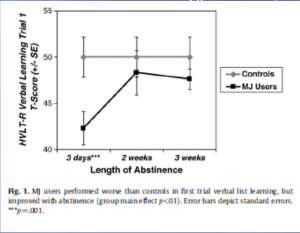
One perhaps encouraging study for you smokers out there was that marijuana really had no effect on long-term memory. Non-smokers were better at verbal learning than heavy smokers…until after a three week abstinence break, where the heavy smokers’ memories recovered to match the control groups’. So while smoking weed when you have a test coming up maybe isn’t the best idea, there’s not necessarily a need to fear in the long run.

(Hanson et al, 2010)

A similar study showed that signs of depression and anxiety also normalized after 28 days of not smoking. Don’t get too hyped though, because even after the abstinence period, there was still “persistent impulsivity and reduced reward responses,” as well as a drop in attention accuracy.

A common belief about weed is that it is not addicting, but it actually is. What happens is that after repetitively smoking, feeling high no longer equates to feeling better than normal, but rather being sober equates to feeling worse than normal. This can lead to irritability, reduced appetite, and sleeplessness. Up to 1/2 of teens who smoke pot daily become dependent, and in broader terms, 9 percent of people who just experiment become dependent.

In summary, “marijuana interferes with normal brain development and maturation.” While it’s not going to kill you, it does effect your cognitive functions. Plus, you are at a higher risk for mental disorders like psychosis and future dependence. So choose wisely, my friends.

By Will Sheehan

Will Sheehan

Designing Drugs Aimed at a Different Part of Life’s Code

Individual RNA molecules fluoresce inside a breast cancer cell.

Individual RNA molecules fluoresce inside a breast cancer cell. Credit: Sunjong Kwon, Oregon Health & Science University, via Flickr.

Most drugs work by tinkering with the behavior of proteins. Like meddlesome coworkers, these molecules are designed to latch onto their target proteins and keep them from doing what they need to do.

If a protein is responsible for speeding up a reaction, the drug helps slow the reaction down. If a protein serves as a gatekeeper to a cell, regulating what gets in and what stays out, a drug changes how many molecules it lets through.

But proteins aren’t the only doers and shakers in our bodies. Scientists are finding that strings of RNA — known primarily for their role in shuttling genetic information from nucleus-bound DNA to the cell’s protein-manufacturing machinery — can also play a major role in regulating disease.

A portrait of Amanda Hargrove

Amanda Hargrove is an assistant professor of chemistry at Duke University.

“There has been what some people are calling an RNA revolution,” said Amanda Hargrove, assistant professor of chemistry at Duke. “In some diseases, non-coding RNAs, or RNAs that don’t turn into protein, seem to be the best predictors of disease, and even to be driving the disease.”

Hargrove and her team at Duke are working to design new types of drugs that target RNA rather than proteins. RNA-targeted drug molecules have the potential help treat diseases like prostate cancer and HIV, but finding them is no easy task. Most drugs have been designed to interfere with proteins, and just don’t have the same effects on RNA.

Part of the problem is that proteins and RNA have many fundamental differences, Hargrove said. While proteins are made of strings of twenty amino acids that can twist into myriad different shapes, RNA is made of strings of only four bases — adenine, guanine, cytosine and uracil.

“People have been screening drugs for different kinds of RNA for quite a while, and historically have not had a lot of success,” Hargrove said. “This begged the question, since RNA has such chemically different properties than proteins, is there something different about the small molecules that we need in order to target RNA?”

To find out, graduate student Brittany Morgan and research associate Jordan Forte combed the scientific literature to identify 104 small molecules that are known interact with specific types of RNA. They then analyzed 20 different properties of these molecules, and compared their properties to those of collections of drug molecules known to interact with proteins.

The team found significant differences in shape, atomic composition, and charge between the RNA-active molecules and the protein-active molecules. They plan to use the results to compile a collection of molecules, called a library, that are chosen to better “speak the language” of the RNA-active molecules. They hope this collection of molecules will be more likely to interact with RNA in therapeutically beneficial ways.

“We found that there are differences between the RNA-targeted molecules and the protein-targeted drugs, and some of them are pretty striking,” Hargrove said. “What that means is that we could start to enrich our screening libraries with these types of molecules, and make these types of molecules, to have better luck at targeting RNA.”

Discovery of Key Physicochemical, Structural, and Spatial Properties of RNA-Targeted Bioactive Ligands.” Brittany S. Morgan, Jordan E. Forte, Rebecca N. Culver, Yuqi Zhang and Amanda Hargrove. Angewandte Chemie, Sept. 18, 2017. DOI: 10.1002/anie.201707641

Kara J. Manke, PhDPost by Kara Manke

Rare Cancers and Precision Medicine in Southeast Asia

Data collected through genomics research is revolutionizing the way we treat cancer. But a large population of cancer patients are being denied the benefits of this research.

Patrick Tan MD, PhD is a professor of cancer and stem cell biology at Duke-NUS Medical School in Singapore.

In 2016, less than one percent of all the existing genomic data came from the 60% of the world population living outside of the US, Europe, and Japan. Furthermore, 70% of patients who die from cancer this year will come from Asia, Africa and Central and South America.

Patrick Tan, M.D., Ph.D., and the Duke-National University of Singapore (Duke-NUS) Medical School are key players in an effort to rectify this discrepancy, specifically as it exists in Southeast Asia.

In his talk, sponsored by the Duke Center for Applied Genomics and Precision Medicine, Tan focused specifically on his work in northeast Thailand with cholangiocarcinoma (CCA), or bile duct cancer.

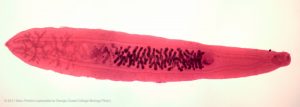
Liver fluke

Liver flukes like this are parasites of fish that migrate to human hosts who eat the fish raw, leading to a form of bile duct cancer.

While CCA is rare in most of the world, it appears at 100 times the global rate in the region of Thailand where Tan and his colleagues work. Additionally, CCA in this region is of a separate and distinct nature.

CCA in this region is linked with a parasitic infection of the bile ducts called a liver fluke.  Residents of this area in Thailand have a diet consisting largely of raw fish, which can be infected by the liver fluke and transmitted to the person who eats the fish.

Because of the poverty in this area, encouraging people to avoid eating raw fish has proven ineffective. Furthermore, healthcare is not readily available, so by the time most patients are diagnosed, the disease has progressed into its later and deadly stage.

The life cycle of liver flukes. (Graphic U.S. Centers for Disease Control)

Tan’s genomic research has discovered certain factors at the gene level that make liver-fluke positive CCA different from other CCA. Thus genomic data specific to this population is vital to improve the outcomes of patients with CCA.

Duke-NUS Precision Medicine (PRISM) has partnered up with the National Heart Research Institute Singapore (NHRIS) in SPECTRA, a program designed to create a database of genomic data from the healthy Asian population. SPECTRA is sequencing the genomes of 5,000 healthy Asians in order to create a baseline to which they can compare the genomes of unhealthy individuals.

These and other programs are part of a larger effort to make precision medicine, or healthcare tailored to an individual based on factors like family history and genomic markers, accessible throughout southeast Asia.

By Sarah Haurin


Students Bring Sixty Years of Data to Life on the Web

For fields like environmental science, collecting data is hard.

Fall colors by Mariel Carr

Fall colors in the Hubbard Brook Experimental Forest, in New Hampshire’s White Mountains.

Gathering results on a single project can mean months of painstaking measurements, observations and notes, likely in limited conditions, hopefully to be published in a highly specialized journal with a target audience made up mostly of just other specialists in the field.

That’s why when, this past summer, Duke students Devri Adams, Camila Restrepo and Annie Lott set out with  graduate students Richard Marinos, Matt Ross and Professor Emily Bernhardt to combine over six decades of data on the Hubbard Brook Experimental Forest into a workable, aesthetically pleasing visualization website, they were really breaking new ground in the way the public can appreciate this truly massive store of information.

The site’s navigation shows users what kinds of data they might explore in beautiful fashion.

Spanning some 8,000 acres of New Hampshire’s sprawling White Mountain National Forest, Hubbard Brook has captured the thoughts and imaginations of generations of environmental researchers. Over 60 years of study and authorized experimentation in the region have brought us some of the longest continuous environmental data sets ever collected, tracking changes across a variety of factors for the second half of the 20th century.

Now, for the first time ever, this data has been brought together into a comprehensive, agile interface available to specialists and students alike. This website is developed with the user constantly in mind. At once in-depth and flexible, each visualization is designed so that a casual viewer can instantly grasp a variety of factors all at the same time—pH, water source, molecule size and more all made clearly evident from the structures of the graphs.

Additionally, this website’s axes can be as flexible as you need them to be; users can manipulate them to compare any two variables they want, allowing for easy study of all potential correlations.

All code used to build this website has been made entirely open source, and a large chunk of the site was developed with undergrads and high schoolers in mind. The team hopes to supplement textbook material with a series of five “data stories” exploring different studies done on the forest. The effects of acid rain, deforestation, dilutification, and calcium experimentation all come alive on the website’s interactive graphs, demonstrating the challenges and changes this forest has faced since studies on it first began.

The team hopes to have created a useful and user-friendly interface that’s easy for anyone to use. By bringing data out of the laboratory and onto the webpage, this project brings us one step further in the movement to make research accessible to and meaningful for the entire world.

Post by Daniel Egitto

New Blogger Lydia Goff: Freshman with a Passion for Science Communication

Hey! My name is Lydia Goff. I am a first-year at Duke and plan to double major in English and biology in order to pursue a career in science writing. I was born in Waukesha, Wisconsin but raised primarily in the Charlotte area. My junior year of high school I transitioned from homeschool to Gaston Day School where I developed my interest in scientific research. Neither of my parents attended college so my primary teachers were books. Homeschooling instilled my love of reading which grew into an interest in writing, but it also limited my resources.

I had no exposure to scientific research until my junior year at Gaston Day when I became involved in the International Genetically Engineered Machine (iGEM) team. We worked on genetically engineering E. coli K12 so that it would die if accidentally released into the environment through a process called a kill switch. Particularly in developing countries with restricted supplies, improper disposal of genetically engineered bacteria can lead to water supply contamination. Working with my team and amazing faculty mentor showed me not only how interesting scientific research is, but also the global benefits.

A smiling woman

Lydia Goff in front of Baldwin Auditorium.

In iGEM, I ended up taking the lead in communications. Many of my teammates could understand and perform scientific procedures with a remarkable skill but struggled to communicate their ideas. I love being able to discuss the passions of others. These interactions allow me to continuously learn and to help others express themselves. Until that leadership role in iGEM, I was unsure about a major. I enjoyed writing and reading but also the STEM world. My interests bounced from calculus to creative writing to genetic engineering to art history. As I got older and the “What do you want to major in?” question became increasingly relevant, the idea of choosing one subject to focus on was painful. I did not want to stop learning about genetic engineering and neuroscience and astronomy in order to become a writer. For me, science writing and this blog represent the opportunity to never stop learning. They allow me to bounce around from lecture to laboratory and meet experts in a variety of fields, to discover the inspirations and implications of their research, and to express their ideas and discoveries to any curious person.

Post by Lydia Goff

New Blogger Ameya Sanyal: Freshman Inspired by 'Kitchen Experiments'

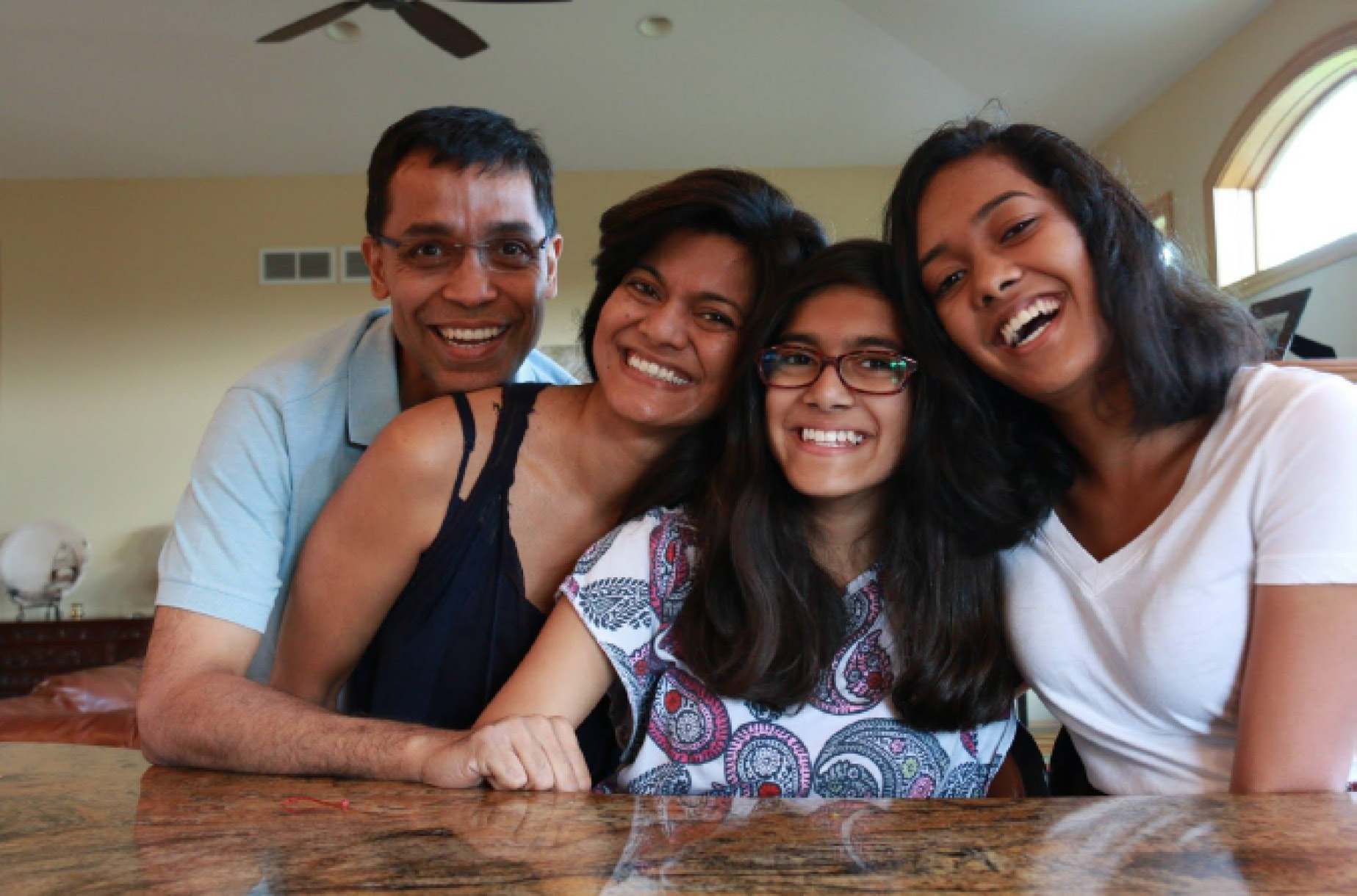
Hello! My name is Ameya Sanyal and I’m an incoming Trinity Freshman. While I’ve lived in Madison, WI for the past 12 years, I was born in Roswell, NM. I use she/her/hers pronouns and live with my parents, Amit and Paulomi, my younger sister, Anika, and my goldendoodle, Zain.

When I was little, my dad used to host “Science Sundays.” From vinegar volcanoes to Dr. Seuss’s “oobleck,” I was captivated. These hands-on-activities — which I fondly called “kitchen experiments” — were only the beginning of my interest in science.

A man and three woman smiling.

My family and I experimenting with our camera.

Throughout elementary and middle school, I eagerly awaited science class. I loved to learn about real-life examples; projectile motion came alive with classroom rocket demonstrations and nitrogen fixation took on meaning with a field trip to a teacher’s farm.

In high school, I became frustrated as the science classes seemed to only cover core concepts. Although I recognized the importance of building a strong foundation in biology, chemistry and physics, I wanted to know more about the applications of basic scientific principles.

At this juncture, my interest in social studies began to grow. I joined various activist and leadership groups and explored the link between people and social change. In electives such as Government & Politics and Psychology, I could immediately see how skills such as knowing my rights and understanding my behavior in a nature-nurture context were valuable.

In the future, I’d like to become an activist-doctor and interact directly with patients while uniting with other physicians to pursue social change. Consequently, I hope to pursue an interdisciplinary major combining political science and medicine.

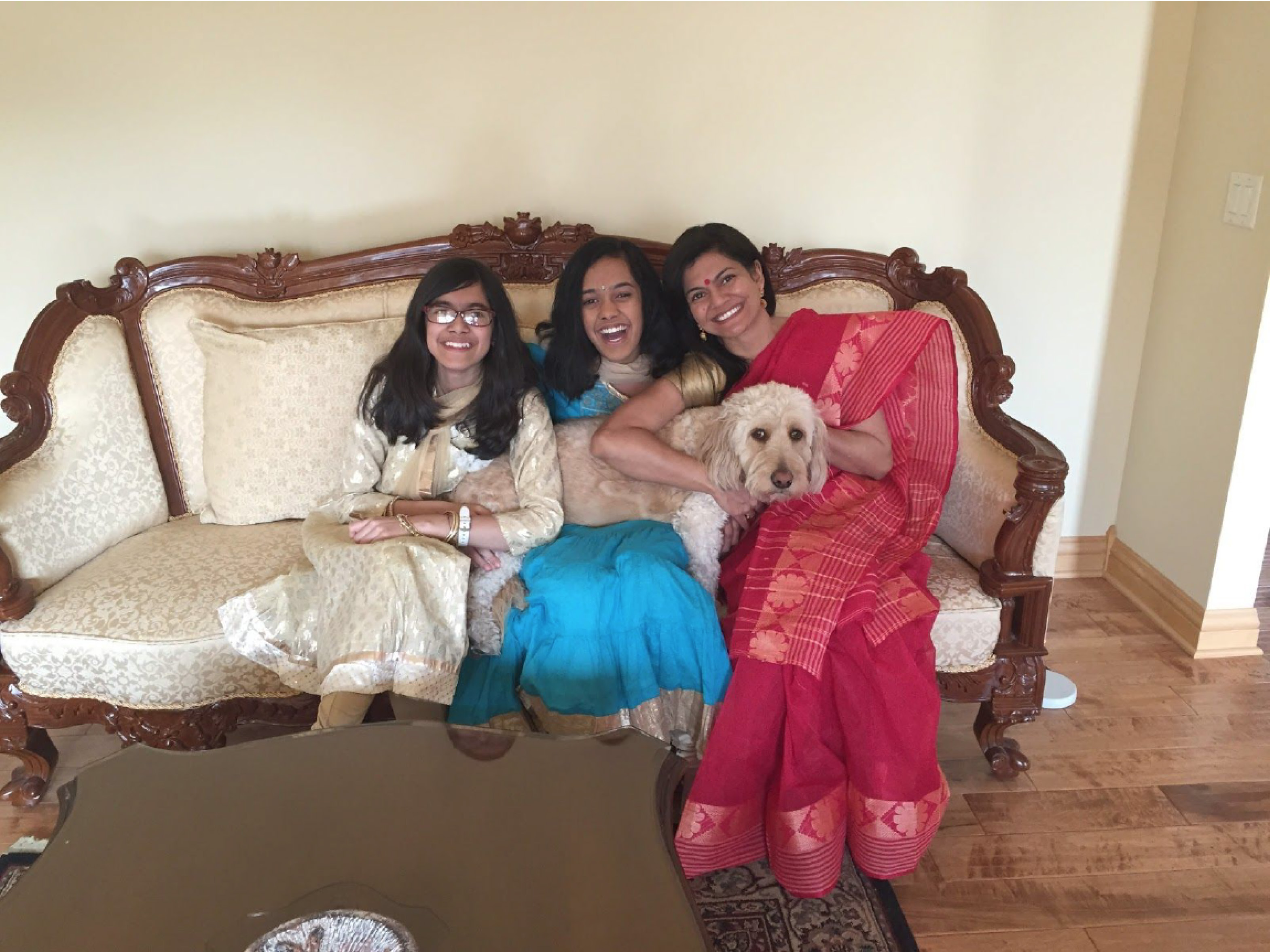
Three women in traditional Indian clothing.

My family and I celebrating Diwali, the festival of lights.

At Duke, I’d like to explore how communication across disciplines can result in increased health and wellness. As an aspiring Global Health and Biology double major, I am excited to think critically about the driving forces between social inequities and brainstorm how new scientific discoveries can be utilized in finding a solution to public health crises.

I am looking forward to writing about the impact of social determinants on health and wellness and emerging healthcare research and technologies. Apart from being a member of the research team, I hope to get involved with GlobeMed and the Hindu Students Association. If you see me volunteering in the Durham community or at Hindu celebrations, please say hi!

Post by Ameya Sanyal

Page 15 of 32

Powered by WordPress & Theme by Anders Norén