Research Blog

Following the people and events that make up the research community at Duke

Students exploring the Innovation Co-Lab

Students Bring Sixty Years of Data to Life on the Web

For fields like environmental science, collecting data is hard.

Fall colors by Mariel Carr

Fall colors in the Hubbard Brook Experimental Forest, in New Hampshire’s White Mountains.

Gathering results on a single project can mean months of painstaking measurements, observations and notes, likely in limited conditions, hopefully to be published in a highly specialized journal with a target audience made up mostly of just other specialists in the field.

That’s why when, this past summer, Duke students Devri Adams, Camila Restrepo and Annie Lott set out with  graduate students Richard Marinos, Matt Ross and Professor Emily Bernhardt to combine over six decades of data on the Hubbard Brook Experimental Forest into a workable, aesthetically pleasing visualization website, they were really breaking new ground in the way the public can appreciate this truly massive store of information.

The site’s navigation shows users what kinds of data they might explore in beautiful fashion.

Spanning some 8,000 acres of New Hampshire’s sprawling White Mountain National Forest, Hubbard Brook has captured the thoughts and imaginations of generations of environmental researchers. Over 60 years of study and authorized experimentation in the region have brought us some of the longest continuous environmental data sets ever collected, tracking changes across a variety of factors for the second half of the 20th century.

Now, for the first time ever, this data has been brought together into a comprehensive, agile interface available to specialists and students alike. This website is developed with the user constantly in mind. At once in-depth and flexible, each visualization is designed so that a casual viewer can instantly grasp a variety of factors all at the same time—pH, water source, molecule size and more all made clearly evident from the structures of the graphs.

Additionally, this website’s axes can be as flexible as you need them to be; users can manipulate them to compare any two variables they want, allowing for easy study of all potential correlations.

All code used to build this website has been made entirely open source, and a large chunk of the site was developed with undergrads and high schoolers in mind. The team hopes to supplement textbook material with a series of five “data stories” exploring different studies done on the forest. The effects of acid rain, deforestation, dilutification, and calcium experimentation all come alive on the website’s interactive graphs, demonstrating the challenges and changes this forest has faced since studies on it first began.

The team hopes to have created a useful and user-friendly interface that’s easy for anyone to use. By bringing data out of the laboratory and onto the webpage, this project brings us one step further in the movement to make research accessible to and meaningful for the entire world.

Post by Daniel Egitto

New Blogger Will Sheehan: Freshman with a Love of the Outdoors

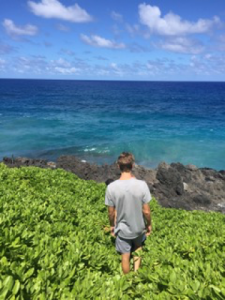
Hi there! My name is Will Sheehan, and I’m a freshman at Duke. While I’m currently undecided, I plan on studying electrical and computer engineering and possibly double majoring in computer science. I grew up on Maui, Hawaii, but now live with my mom in Austin, Texas. I spend my summers and winters with my dad Will Sheehan by the oceanback on Maui surfing, dirt biking, hiking and more. I like to think that spending so much time in the outdoors has given me a deep appreciation for nature, and in return a fiery passion for sciences like physics and chemistry.

The summer before  junior year I traveled to Beijing, China to live with a host family for a month. Having to speak their language nearly the whole time, I turned to journaling in order to empty my thoughts. They effortlessly spilled onto the page; it felt as if I couldn’t write fast enough, and that my ideas would flee before I could cement them in ink.

I soon found a new love for personal writing. The next summer I interned for a company named ShakaCode, and while I learned the ins and outs of applying Ruby on Rails to website development I blogged about my experience. As soon as school started, my old calculus teacher approached me, saying how he had read my blogWill Sheehan riding a dirt bike and loved my style of writing as well as what I had to say. That year in advanced calculus he had our class use blogs as a way to track our progress in whatever project or research we were pursuing.
Attempting to communicate complex, specialized information is an intriguing challenge that I find satisfying to complete. I have developed this skill not only through my blogging experience but also through tutoring in math the past couple years. While I do plan on pursuing computer science, I am still entirely open to a career in scientific research. Discovering something new has been a dream of mine for as long as I can remember.

Will Sheehan on a cliffI hope that as a part of the Duke Research Blog I get to share new, important findings with our community as I further my own understanding along the way. I see this as a learning opportunity for both myself and those around me, and hope that Duke takes an interest in all that I have to say about the cool stuff they might not normally know about!

Post by Will Sheehan

New Blogger Lydia Goff: Freshman with a Passion for Science Communication

Hey! My name is Lydia Goff. I am a first-year at Duke and plan to double major in English and biology in order to pursue a career in science writing. I was born in Waukesha, Wisconsin but raised primarily in the Charlotte area. My junior year of high school I transitioned from homeschool to Gaston Day School where I developed my interest in scientific research. Neither of my parents attended college so my primary teachers were books. Homeschooling instilled my love of reading which grew into an interest in writing, but it also limited my resources.

I had no exposure to scientific research until my junior year at Gaston Day when I became involved in the International Genetically Engineered Machine (iGEM) team. We worked on genetically engineering E. coli K12 so that it would die if accidentally released into the environment through a process called a kill switch. Particularly in developing countries with restricted supplies, improper disposal of genetically engineered bacteria can lead to water supply contamination. Working with my team and amazing faculty mentor showed me not only how interesting scientific research is, but also the global benefits.

A smiling woman

Lydia Goff in front of Baldwin Auditorium.

In iGEM, I ended up taking the lead in communications. Many of my teammates could understand and perform scientific procedures with a remarkable skill but struggled to communicate their ideas. I love being able to discuss the passions of others. These interactions allow me to continuously learn and to help others express themselves. Until that leadership role in iGEM, I was unsure about a major. I enjoyed writing and reading but also the STEM world. My interests bounced from calculus to creative writing to genetic engineering to art history. As I got older and the “What do you want to major in?” question became increasingly relevant, the idea of choosing one subject to focus on was painful. I did not want to stop learning about genetic engineering and neuroscience and astronomy in order to become a writer. For me, science writing and this blog represent the opportunity to never stop learning. They allow me to bounce around from lecture to laboratory and meet experts in a variety of fields, to discover the inspirations and implications of their research, and to express their ideas and discoveries to any curious person.

Post by Lydia Goff

New Blogger Ameya Sanyal: Freshman Inspired by 'Kitchen Experiments'

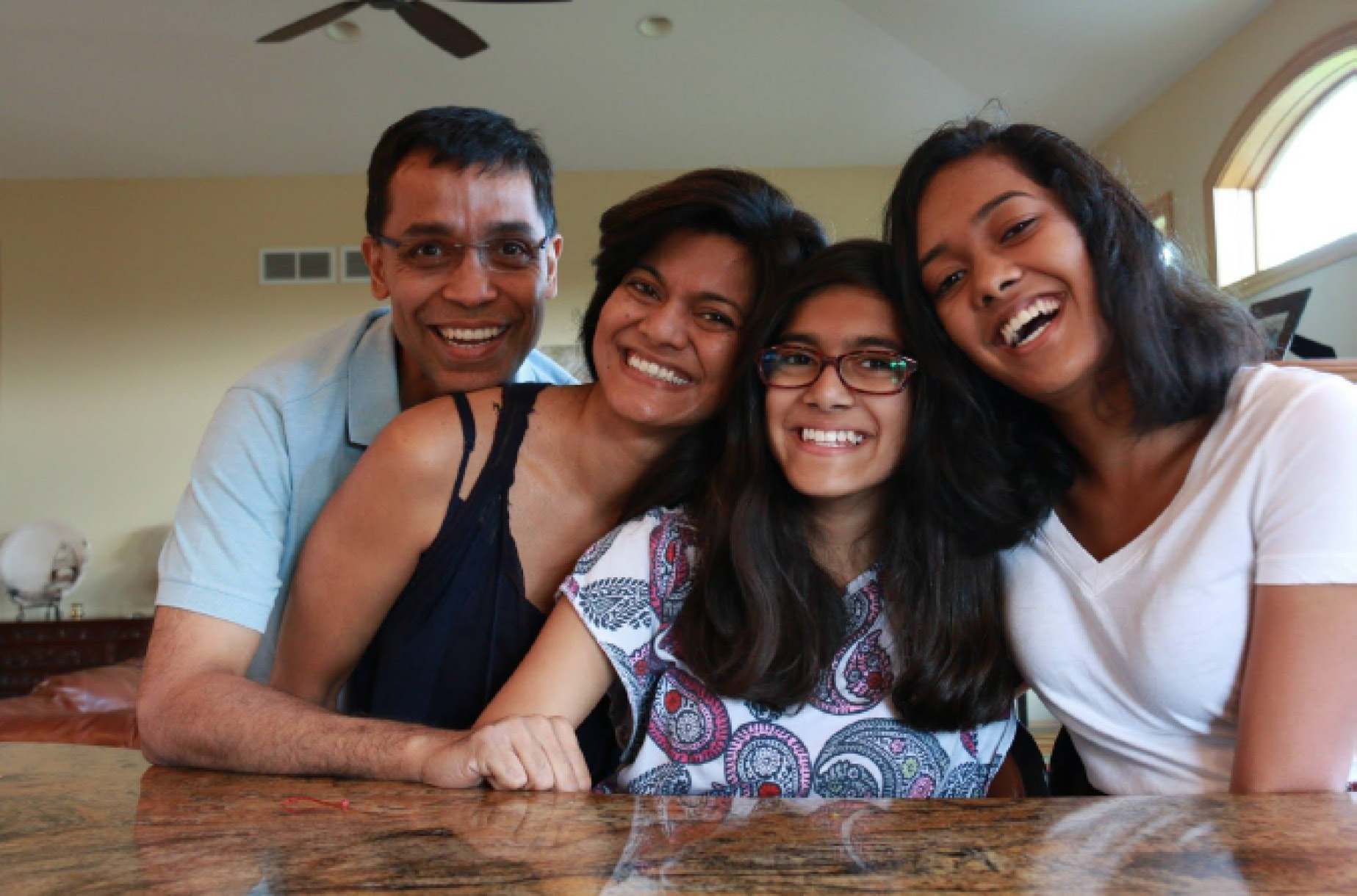
Hello! My name is Ameya Sanyal and I’m an incoming Trinity Freshman. While I’ve lived in Madison, WI for the past 12 years, I was born in Roswell, NM. I use she/her/hers pronouns and live with my parents, Amit and Paulomi, my younger sister, Anika, and my goldendoodle, Zain.

When I was little, my dad used to host “Science Sundays.” From vinegar volcanoes to Dr. Seuss’s “oobleck,” I was captivated. These hands-on-activities — which I fondly called “kitchen experiments” — were only the beginning of my interest in science.

A man and three woman smiling.

My family and I experimenting with our camera.

Throughout elementary and middle school, I eagerly awaited science class. I loved to learn about real-life examples; projectile motion came alive with classroom rocket demonstrations and nitrogen fixation took on meaning with a field trip to a teacher’s farm.

In high school, I became frustrated as the science classes seemed to only cover core concepts. Although I recognized the importance of building a strong foundation in biology, chemistry and physics, I wanted to know more about the applications of basic scientific principles.

At this juncture, my interest in social studies began to grow. I joined various activist and leadership groups and explored the link between people and social change. In electives such as Government & Politics and Psychology, I could immediately see how skills such as knowing my rights and understanding my behavior in a nature-nurture context were valuable.

In the future, I’d like to become an activist-doctor and interact directly with patients while uniting with other physicians to pursue social change. Consequently, I hope to pursue an interdisciplinary major combining political science and medicine.

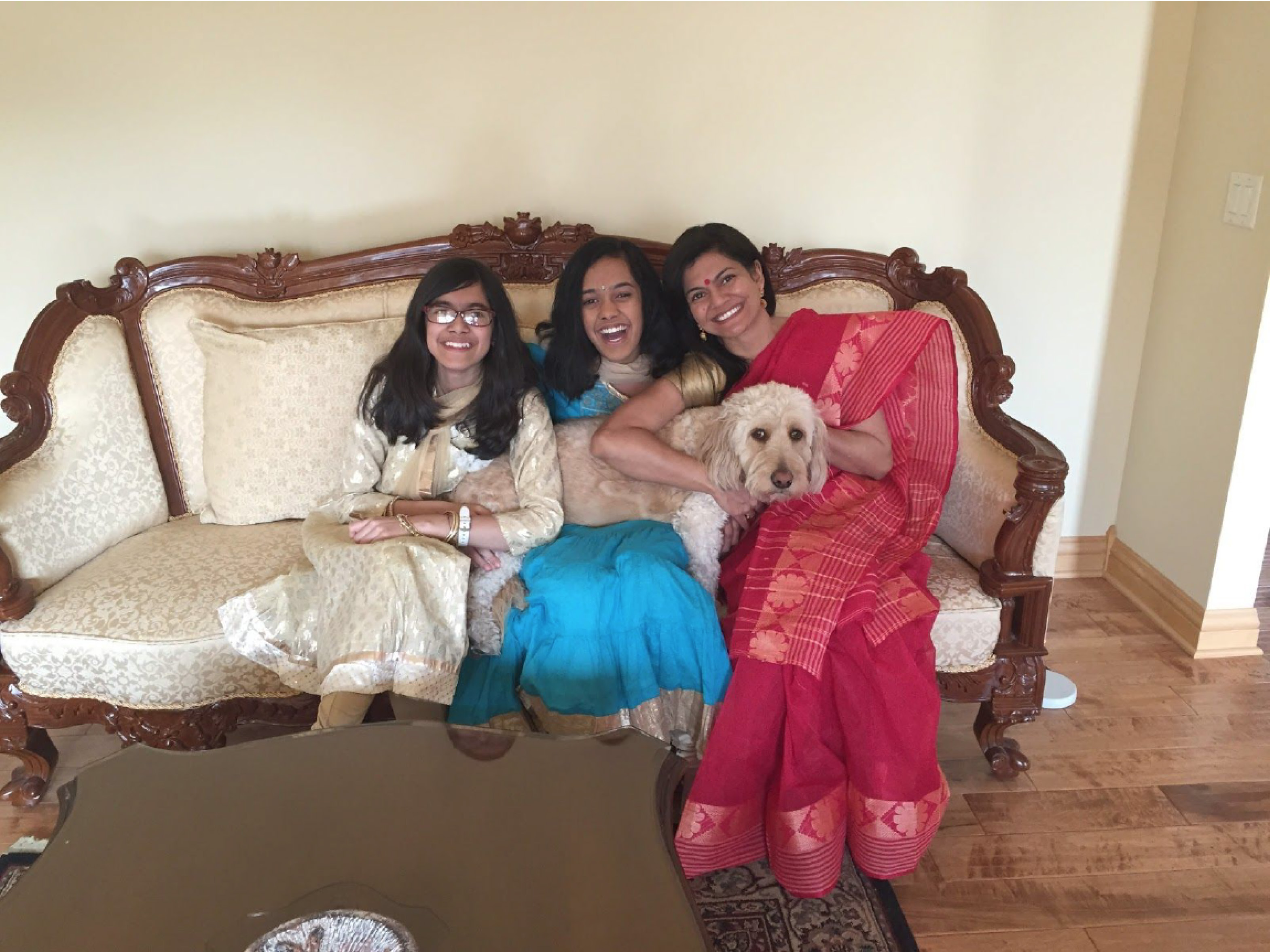
Three women in traditional Indian clothing.

My family and I celebrating Diwali, the festival of lights.

At Duke, I’d like to explore how communication across disciplines can result in increased health and wellness. As an aspiring Global Health and Biology double major, I am excited to think critically about the driving forces between social inequities and brainstorm how new scientific discoveries can be utilized in finding a solution to public health crises.

I am looking forward to writing about the impact of social determinants on health and wellness and emerging healthcare research and technologies. Apart from being a member of the research team, I hope to get involved with GlobeMed and the Hindu Students Association. If you see me volunteering in the Durham community or at Hindu celebrations, please say hi!

Post by Ameya Sanyal

Disaster Plans and the Mentally Ill

Houston, Miami, San Juan — Category 5 hurricanes, the most destructive storm systems, have made a record-breaking 6 landfalls this year. This represents a quarter of the total category 5 hurricane landfalls that the Atlantic has seen since 1851.

With statistics like these, disaster relief plans are becoming more important than ever. But do these plans do enough for marginalized groups, specifically the mentally ill?

Allan K. Chrisman, M.D., believes more can be done. As a career psychiatrist who has been deployed by the Red Cross in the aftermath of storms like Katrina and Matthew, Chrisman has seen and experienced the importance of including the mentally ill in disaster relief plans.

At his talk to physicians in Duke’s Hospital on Sept. 28, Chrisman, an emeritus  professor at Duke, highlighted specific aspects of disaster relief that are not doing enough for the one in four U.S. adults suffering from mental illness each year.

According to Chrisman, this part of the population is often less prepared for impending storms. When storms do hit, existing symptoms can be exacerbated, or new symptoms can appear.  Disruption of routine, inconsistency of taking medication and the overall stress that comes with emergencies all contribute to this exacerbation of mental illness.

While the Red Cross has an “everyone is welcome,” policy for their shelters, not being able to identify the needs of the mentally ill seeking sanctuary limits the organization’s ability to help. As a deployed psychiatrist, Chrisman worked with displaced mentally ill people to ensure they continued to get the care they needed even during the stress of a weather emergency.

One tool used by Chrisman and his colleagues to help these groups is the C-MIST framework. This system categorizes “functional-based needs” based on communication, maintaining health, independence, service and support, and transportation. It seeks to ensure not only that individuals are being given an option for a safe space in the wake of emergencies, but also that these spaces offer them the specific services they require.

Chrisman emphasized the need “to provide round-the-clock access to qualified mental health resources.”

He said that by following these inclusive protocols, disaster relief programs can do even more to protect the most vulnerable parts of the population.

By Sarah Haurin

New Blogger Daniel Egitto: Freshman and Aspiring Journalist

Hi, I’m Daniel Egitto, a freshman at Duke with an intended major in English. I’m from Florida, and I spent the better part of my childhood growing up in some small, quiet suburbs surrounded by pretty much nothing but farms, rivers and untouched forest for acres and acres around. Out where I lived, it was nearly impossible to ever get more than a few miles from the wilderness that still covers a huge chunk of Florida today. Mazes of pine and oak forests made up my backyard, crisscrossed with bubbling springs and dotted with the occasional deer, coyote or alligator peeking out of the trees. It was there in those Florida woods, kayaking and hiking through some of America’s last wild places, that I first fell in love with the natural world and the conservationist issues facing our country today.

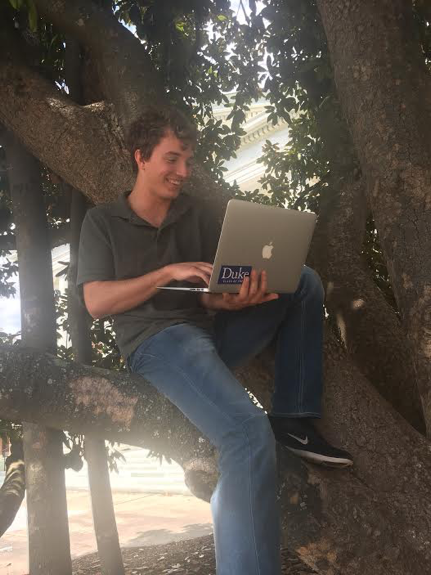
Daniel Egitto in a tree

Incoming freshman Daniel Egitto is pursuing an English major for a future career in journalism.

Because despite its treasure trove of both scientific and recreational gems, Florida has a truly terrible history of protecting natural heritage. Governor Rick Scott, for example, brought in a gag rule on the words “climate change” appearing in any state environmental document, while at the same time the well-being of those springs I came to know and love in my childhood has faced rising challenges due to unsustainable farming practices and water use policies. An unacceptable number of Americans are still unaware of both the struggles and opportunities this country’s biodiversity has always offered, and because of this I have come to develop a passion for both science education and topical journalism in general.

In high school my experiences led me to reach out into my community, engaging with children about basic scientific concepts at a local robotics camp and “Science Saturdays” series. I also became heavily involved with my school’s newly-founded newspaper, where I helped shift its focus onto important yet poorly-publicized struggles of both our society and our world as a whole.

As I enter into my first year on Duke campus, I hope to work with the Duke Research Blog to further both my interests and my goals. I’m currently pursuing a future career in journalism, and by working with Duke Research I hope we can all help nurture a more informed and understanding world.

In addition to my work with this blog, I also intend to get involved with the Chronicle and Me Too Monologues on campus.

New Blogger Nirja Trivedi: Neuroscience Junior with Infinite Curiosity

My name is Nirja Trivedi and I’m a junior from Seattle interested in the intersections between health, technology and business. At Duke, I’m the co-president of P.A.S.H., a writer for the Standard and a member of B.O.W.

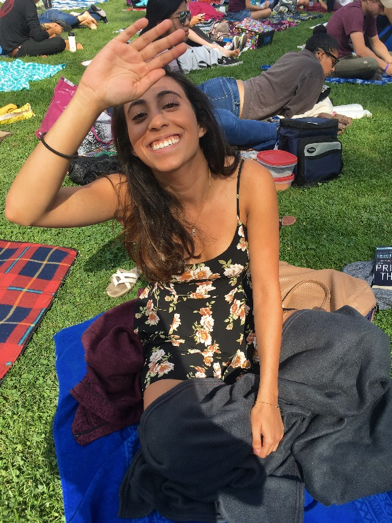
Nirja Trivedi blocking the sun with her hand

Nirja Trivedi

During high school, I considered liberal arts and scientific research to be separate disciplines: if technology was my strength then philosophy must be my weakness. In my two years at Duke, I have experienced the duality of these fields through participating in the Global Health Focus Program, developing my own research projects, working with professors and now applying to write for Duke Research. Science truly is for everyone; no matter your field, interests or opinion. Research and discovery are conduits for every mind. Research isn’t just the forefront of innovation, it paves the way for the future.

Growing up with a passion for service and influenced by my family in the medical field, the research I leaned towards combined aspects of community and health. My senior project in high school examined traumatic brain injury (TBI) in youth sports, which provided the research-based approach for designing my own Concussion Prevention Program. After my first semester, I wanted to discover what kinds of research I wanted to fully integrate myself in. I began research with the Duke Institute of Brain Sciences and spent my summer volunteering for the Richman Lab, which examines the effects of psychosocial factors like discrimination, social hierarchies and power. After I declared my Neuroscience major, I spent the year assisting in studies at the Autism Clinic, sparking my interest in technology.

Nirja Trivedi on a mountain top

Nirja Trivedi on a mountain top.

Now going into my third year, my interests in scientific discovery have only grown. From insight into the human psyche and social economic behavior to medical advances, I love the complexity of the human mind and how it fuels innovation.

My unrestricted interests guided me to the Innovation & Entrepreneurship Certificate as well as this writing position, both which foster an environment of curiosity and inspiration. Through writing, I hope to connect with faculty, discover areas of research I never knew existed, widen my breadth of scientific knowledge, and connect students to research opportunities. The threshold of knowledge is where you draw the line – why not make it infinite?

Post by Nirja Trivedi

Happy Patients, Healthy Lungs

Lung-shaped leaves

Evaluating a patient’s mental health before and after lung transplant surgery can help improve long-term outcomes. Source: tikyon, Flickr.

Diseases like Chronic Obstructive Pulmonary Disease (COPD) and Cystic Fibrosis (CF) are hard to treat. Lung transplant is important option for people who do not benefit from other treatments, and understanding the outcomes for these patients is crucial.

Patrick Smith, PhD, a clinical psychologist at Duke Hospital, shared his research into predictors for outcomes of lung transplant with a group of transplant physicians and surgeons at the Duke Hospital on Sept. 14.

“Patients receive transplants to live longer and to feel better,” Smith said.

Focus on the first goal has increased the median survival time after a lung transplant to six years. But Smith began his research because of an interest in the second goal.

An incredibly complex, long, and difficult procedure, transplants require extensive testing and therapies before a patient enters the operating room (OR). Among the pre-operative testing is a mental health assessment to determine if any psychological issues exist that could make recovery more difficult. Mental health issues can affect adherence, or a patient’s commitment to continuing the prescribed post-op medication after release from the hospital.

Smith’s research found that some of these tests can be incredibly useful at predicting outcomes not previously explored; patients who show cognitive impairments before surgery were found to be more likely to fall victim to delirium, a post-operative state of confusion and psychosis that has been linked to an increased risk of complications and death.

While acknowledging the usefulness of pre-operative testing, Smith also pointed out the inadequacy of this model. Failing to continue psychological assessments after the surgery and throughout the recovery means that doctors are missing important clues that could indicate how well patients will recover.

Through his research, Smith has found that the presence of depressive symptoms after transplant is actually a much more useful and accurate tool for predicting risk of mortality than symptoms exhibited before surgery.  

This point is strengthened by a previous study that found that successful treatment of depressive symptoms in liver transplant patients reduced the mortality rate of depressive patients to that of their non-depressive counterparts.

These results are promising for the possibility of improving transplant outcomes; by valuing and treating both pre-operative and post-operative signs of risk, doctors can improve the outcomes for their patients and ensure the limited supply of organs is being used in the best and most successful way possible.

Post by Sarah Haurin


New Blogger Nina Cervantes: Economics Senior from the Sunny State

Hi all!  My name is Nina Cervantes and I’m a senior economics major at Duke also pursuing a certificate in markets and management studies and a minor in history. I’m from a town about 30 minutes away from San Diego, California and am blessed to say only about 20 minutes away from the beach!

Something that really defines me is my desire to challenge many sides of myself in the hopes of developing into a well-rounded individual. Whether it be challenging my creative side by writing (for both school and on the personal blog that I recently started), or by challenging my quantitative side by participating as a research assistant in the Duke Environmental Justice lab leveraging data to reveal environmental injustices, I love to bolster as many facets of myself as possible.

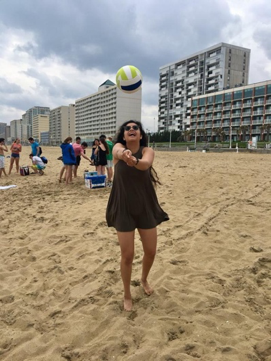
Nina Cervantes hitting a volleyball

Nina Cervantes playing volleyball at the beach.

This desire led me to working a Marketing Communications internship this past summer at RTI International, the original research institute in North Carolina’s Research Triangle Park. During the course of my internship, part of my role was communicating sometimes dense research into digestible content marketing pieces for potential clients and the general public that might be perusing RTI’s work. This included connecting with subject matter experts who had actually conducted the studies and working through the material to be able to understand it well enough to communicate its power and potential to the world. This aspect of my internship was definitely one of the most rewarding parts, so blogging for Duke Research seemed like the perfect opportunity for me to transfer the skills I learned at RTI International, while also continuing to build my communication and analytical skills.

In addition to writing for the Duke Research Blog, I am also heavily involved with the Duke Women’s Basketball program and this is the 3rd year I have participated as a student manager. Like I said previously, I also started working on the research team for Duke’s Environmental Justice Lab last year and am very excited to start seeing some results of my first research experience at Duke!

Looking forward, I’m excited to have the opportunity to meet some really influential leaders in the research world, connect to the power and potential of their research, and then share it with you all in the best way I can. To me, there are few things more rewarding than sharing the power of a new discovery!

Post by Nina Cervantes

Lab-Made Protein Chomps Co-Factor Like a Big Ol' Gator

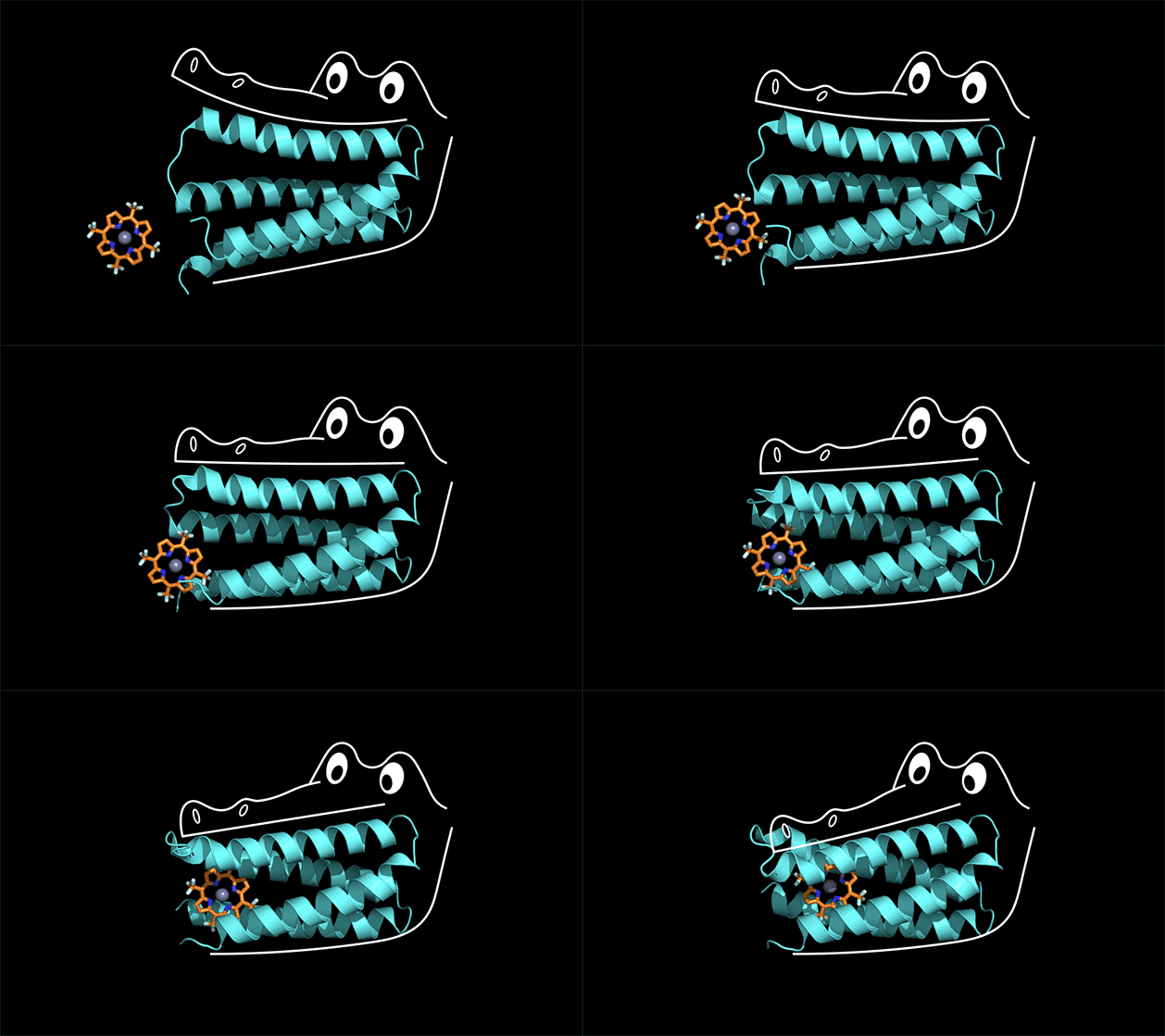
A protein is illustrated to look like an alligator mouth

The synthetic protein clamps down on the porphyrin like the jaws of an alligator. Credit: Nicholas Polizzi.

Proteins have the power to turbo-charge biochemical reactions inside the body.

Without the help of types of proteins called enzymes, the reaction that builds DNA could take over 130,000 years to complete. Enzymes cut that time down to just a few milliseconds.

To rev up chemical reactions, many proteins team up with smaller molecules or metals called cofactors. Chemists would like to design proteins that bind to non-biological cofactors in order to speed up chemical reactions not found in nature. But first, they have to figure out how to create man-made proteins that attach to new cofactors in exactly the right way, and that is no easy feat.

A team of chemists at Duke and UC San Francisco is the first to solve this protein design puzzle. The team created a synthetic protein that tightly binds a non-biological catalyst, a type of molecule called porphyrin that is capable of stealing electrons from other molecules when it absorbs light.

“To be able to combine man-made catalysts with proteins would be really big in the chemistry field because then you could combine the power of an enzyme with that of a reaction that isn’t found in nature,” said former Duke graduate student Nicholas Polizzi, who is now a postdoctoral researcher in William DeGrado’s lab at UCSF.

“We were able to figure out the design criteria necessary to place that porphyrin in a protein to within a very high accuracy,” Polizzi said. “That was a really big stepping stone to be able to design new protein-cofactor combinations not seen in nature.”

Proteins are made of chains of hundreds or thousands of smaller amino acids that twist and loop into complex 3-D shapes that can interlock with other molecules like pieces of a jigsaw puzzle. To catalyze chemical reactions, protein-cofactor combinations hold two or more molecules in precisely-shaped pockets that keep the molecules in just the right positions, and provide the right environment, for a chemical reaction to occur.

An illustration of a protein jigsaw puzzle

Chemists at Duke and UCSF designed a synthetic protein that tightly binds a non-biological molecule. Credit: Nicholas Polizzi.

Millions of years of evolution have created proteins that fold into the shapes that tightly grip specific cofactors and provide the perfect environments to catalyze chemical reactions.

For over 25 years, chemists have used what they know about protein folding to design synthetic amino acid sequences that twist up into useful shapes. But so far, they have been unable to design a protein that binds a non-biological cofactor with the precision necessary to power complex new chemical reactions.

Polizzi said this may be because these designs focused primarily on the “binding site” where cofactors and reacting molecules fit into the protein, while ignoring the rest of the structure. “What I did differently is that I considered essentially the entire interior of protein as the binding site for the porphyrin, as opposed to just a few amino acids that touch the porphyrin,” Polizzi said.

To understand how this works, you can think of the protein as the mouth of an alligator, said Michael Therien, William R. Kenan Jr. Professor of Chemistry at Duke. The protein latches onto a cofactor in the same way that an alligator uses its front teeth to chomp down on dinner. But for the front teeth to get a strong grip, the jaw and back teeth also have to be designed correctly.

“The new concept here is that the non-binding region of the protein is held in a shape that allows the binding region to work,” Therien said.

“We called the protein ‘gator’ in the lab,” Polizzi said.

The jaws of the gator protein actually clamp down so hard on the porphyrin cofactor that the whole structure is too rigid to catalyze a reaction, Polizzi said. But with a few tweaks to loosen up the structure, he thinks he can get it to work.

“In this reaction, often times you need a little bit of wiggle room in the protein for it to move. And there was no wiggle room in our protein, everything fit too perfectly,” Polizzi said.

CITATION: “De novo design of a hyperstable non-natural protein-ligand complex with sub-A accuracy.” Nicholas F. Polizzi, Yibing Wu, Thomas Lemmin, Alison M. Maxwell, Shao-Qing Zhang, Jeff Rawson, David N. Beratan, Michael J. Therien and William F. DeGrado. Nature Chemistry, Aug. 21, 2017. DOI: 10.1038/nchem.2846

Kara J. Manke, PhDPost by Kara Manke

Page 57 of 111

Powered by WordPress & Theme by Anders Norén