Research Blog

Following the people and events that make up the research community at Duke

Students exploring the Innovation Co-Lab

From Propulsion to Provost: A Conversation With Alec Gallimore

Sticky post

Science fiction may seem an unlikely source for research inspiration. But for Duke University Provost Alec Gallimore, it has been just that: inspiration for a career’s worth of electric propulsion research.

Alec Gallimore in his plasmadynamics and electric propulsion laboratory at the University of Michigan, where he was a faculty member and dean for more than 30 years before coming to Duke. (Credit: University of Michigan)

Gallimore said it was stories from science fiction authors like Arthur C. Clarke and Isaac Asimov that piqued his interests for fusion and other advanced propulsion technologies at a young age. It is an interest that led him to pursue studies in aerospace engineering with a focus in plasma physics at Princeton University and Rensselaer Polytechnic Institute.

He channeled those interests into the Plasmadynamics and Electric Propulsion Laboratory (PEPL) he founded as a professor of aerospace engineering at the University of Michigan. Focused on the development and testing of more efficient and powerful electric thrusters for spacecraft, the lab has long been at the forefront of electric propulsion research. 

High thrust, high efficiency electric propulsion systems are poised to transform space exploration. They are viable replacements for the inefficient, yet flight-proven chemical thrusters typically used on spacecraft. This is because the electric thrusters can operate over longer periods of time, providing sustained thrust that allows spacecraft to travel the solar system in record time. Electric propulsion systems are slated for use on countless future spacecraft, from the Gateway lunar space station to Mars orbiters.

Gallimore said he is proudest of the X3 Nested Channel Hall Thruster developed at PEPL. Weighing just a tenth the size of an SUV at 230 kg, the X3 is one of the largest, most powerful electric thrusters the lab has developed. It consists of three nested chambers in which ionized gases are accelerated by electric fields, generating thrust highly efficiently. Most Hall-effect thrusters – the category of electric thruster to which the X3 belongs – contain only one chamber. The X3’s three separate chambers help it generate substantially more thrust. That means it can be used to propel heavier spacecraft destined for more distant locations in the solar system. 

Low-power test run of the X3 Nested Channel Hall Thruster (Credit: PEPL)

Gallimore sees this as just the beginning for electric propulsion. Miniaturized electric thrusters will also, according to him, become mainstays on smaller satellites, providing them with the propulsion capabilities they have long lacked. More important will be future research on novel propellant types for electric thrusters, specifically water. “Water is the answer,” Gallimore said. 

“Water is all over the place in the solar system, and so you are able to develop an infrastructure where you can tank up as you need to with water as your propellant,” he explained. “It opens everything up in the solar system so that, by the second half of the century, you can have an amazing infrastructure throughout the inner part of the solar system with water as a propellant.”

Leading research advancements such as these comprised much of Gallimore’s work at PEPL, experience that has informed his work at Duke, where he became provost in July 2023. “Genius is 10% inspiration, 90% perspiration,” he said. Having a team of people fully committed to their research and a common mission was vital to him.

So was having a diversity of opinions. PEPL hosted researchers from varying disciplines such as applied physics and aerospace engineering, as well as diverse life experiences and identities. That promoted a culture of “mutual respect” in “intangible ways” that drove innovation and staved off “group think,” he said. 

That philosophy of thoughtful discussion and collaboration is one Gallimore has taken to Duke, informing the Office of the Provost’s efforts to advance academic excellence and improve campus community.

Whether as an electric propulsion researcher developing the thrusters that will take humans to Mars or as Duke University Provost, working to invigorate the school community, Gallimore has pushed boldly forward. In a future perhaps defined by advanced human space exploration and a more just world, we will no doubt have some small thanks to pay to Gallimore.

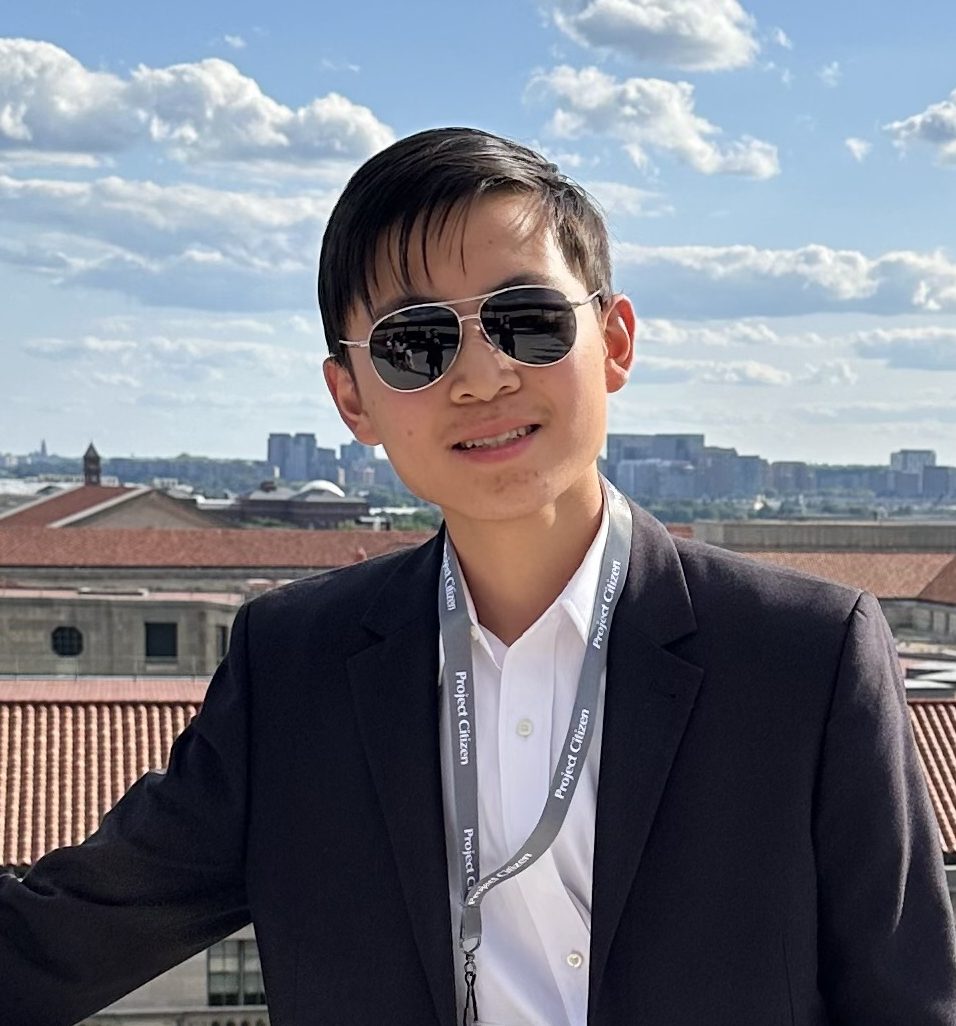
Post by Adrian Tejada, NCSSM class of 2025. 

What can we learn from watching a fish’s ear take shape? You might be surprised

Sticky post

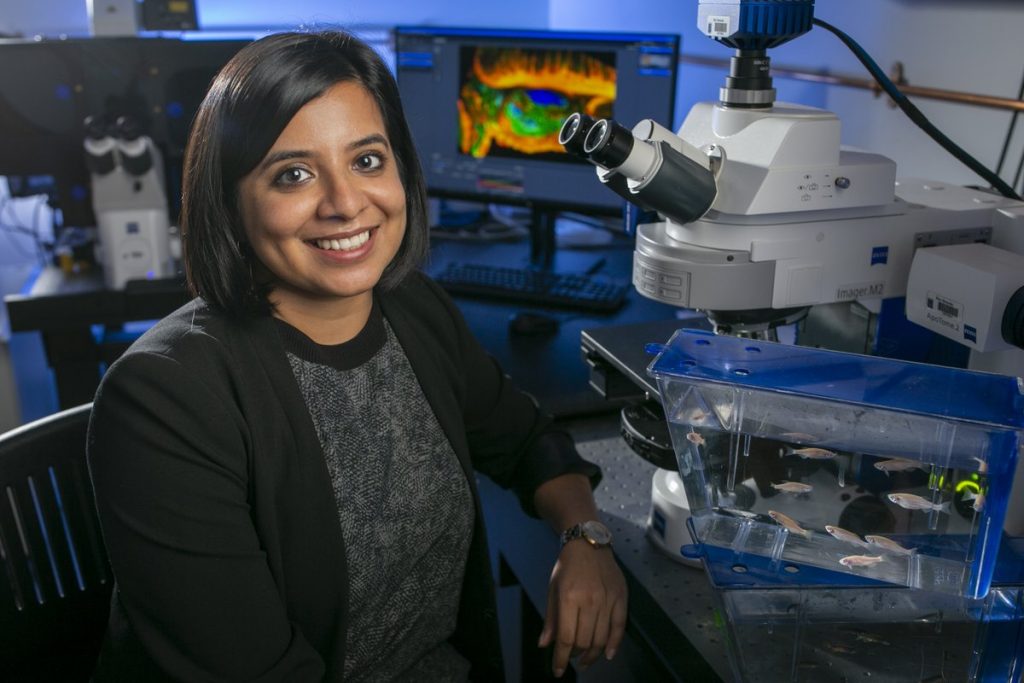
Dr. Akankshi Munjal is a developmental biology researcher at Duke University, who studies the development and mutations of inner ear tissue in zebrafish, and how that may be caused by genome disorders. 

Akankshi Munjal, assistant professor of cell biology

From a young age, Munjal has been fascinated by watching things being built and developed. Her grandfather was a civil engineer, and she was inspired by the many blueprints littering his home. Growing up, she wanted to be an architect. 

Though she found inspiration elsewhere, and did not pursue architecture, in a way, her career mirrors this, “I guess I am not an architect, but I still watch embryos being built, so that kept with me – how you shape things.” 

The inspiration of Munjal’s current career came to her in high school. Growing up, she lived in a large city in India, and did not have much exposure to science fields and research. “If you don’t see it around you, it’s not something you see as an option.” 

However, she was able to find inspiration from a few of her instructors, “There were some teachers who were very inspiring in exposing that there is research out there, that you can be at the bench, ask questions, and address them using experiments.” 

She was also involved with a project dealing with bacteria that could process heavy metals in the Yamuna river near Delhi, India, and this helped introduce the idea of research as a potential career path. 

Though most of Munjal’s work has moved toward lab management, the research is what she really loves, “I could spend days in the microscope room, watching development happen.”

The interesting thing about zebrafish, is that their eggs are transparent, and develop outside of the parent organism. This provides an incredible way to observe the development of tissues under a microscope. Zebrafish also share 70% of the DNA of humans, which makes them a great model organism to observe human disorders and how they affect tissue. The ability to witness this development is Munjal’s favorite part of the job,“It’s why I love what I do, we are able to watch these things happen, in the lab.”

When asked what she wished she would’ve learned earlier on, she mentioned the classic comparison of teaching a man to fish, as opposed to giving him a fish. She applies this saying to the process of learning. In her earlier education, there was an emphasis on collecting and memorizing information and facts, rather than learning how to gather knowledge. An emphasis on academic intelligence, as opposed to emotional intelligence. 

Looking back, this presentation and memorization of facts was less helpful, “Some of them are not facts, some of them are interpretations, so if there was more information on collecting knowledge, that would be more helpful.”

Munjal loves to watch things being developed. This not only applies to her research in developmental biology, and her former passion for architecture, but also to her love of collecting knowledge. 

Guest post by Rhynn Alligood, NCSSM class of 2025

Advancing Immunotherapy for Glioblastoma

Sticky post
Vidyalakshmi Chandramohan, associate professor in neurosurgery and pathology, and member of the Duke Cancer Institute. Credit: Duke Department of Neurosurgery

Duke professor Vidyalakshmi Chandramohan is a pioneering neuro-oncologist whose work is redefining the future of glioblastoma (GBM) treatment. As a researcher in the Department of Neurosurgery at Duke, she is driven by a profound commitment to improving patient outcomes and providing new hope for those battling one of the most aggressive forms of brain cancer.

Her journey into science began with an interest in immunology and oncology, which led her to earn a Ph.D. and conduct postdoctoral research focused on the complex relationship between cancer and immune responses. Her fascination with GBM stemmed from the urgent need to develop innovative treatments for a disease with limited therapeutic options. Today, her groundbreaking research offers new avenues for fighting GBM and improving patient survival.

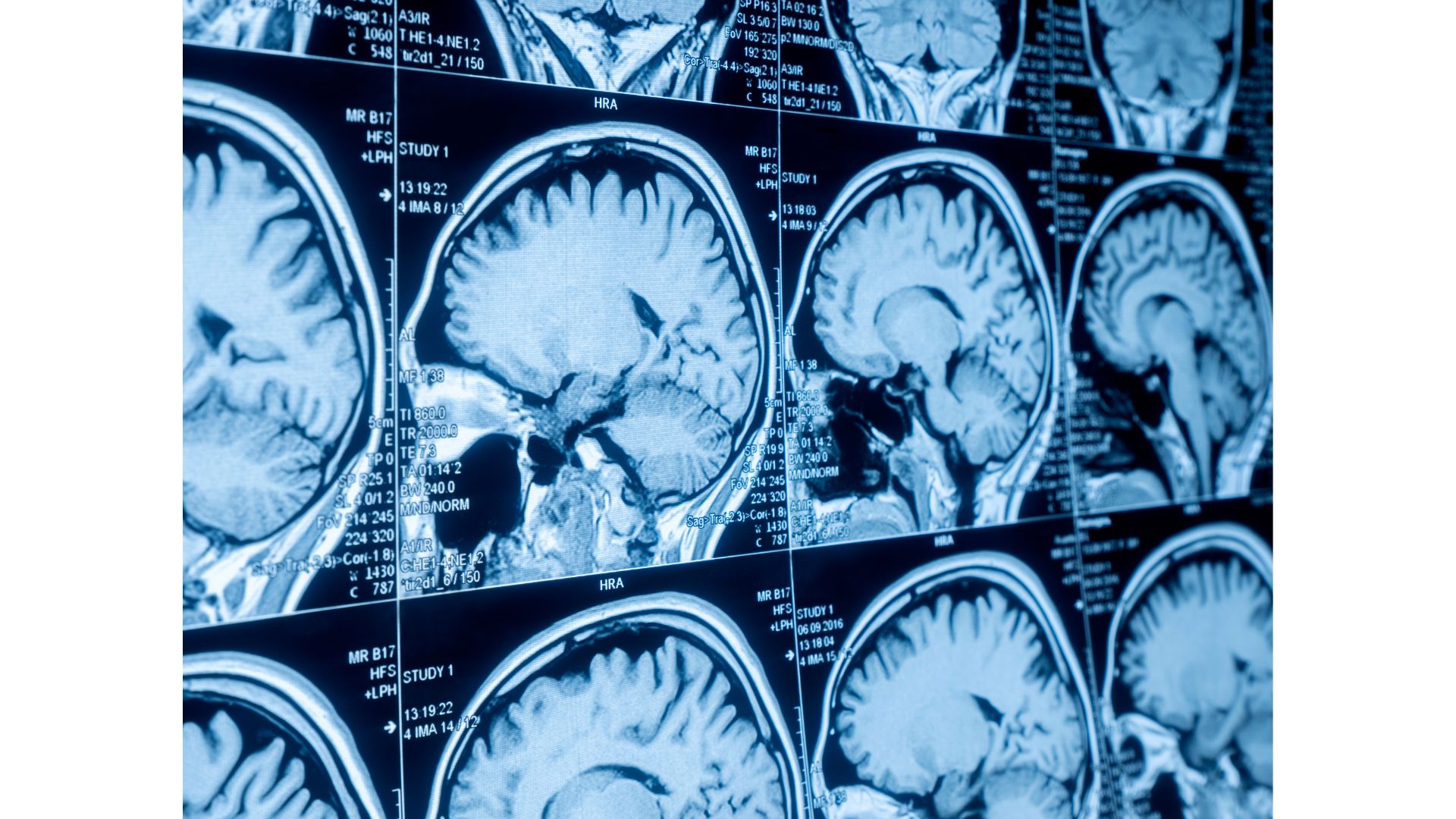
PET scan showing glioblastoma brain cancer. Credit: Wikimedia Commons.

Chandramohan’s work is centered on immunotherapy, particularly the development of D2C7-IT, a dual-specific immunotoxin currently in Phase I clinical trials for recurrent GBM patients. This precision medicine approach targets tumors with remarkable specificity, minimizing damage to healthy tissue. Her ongoing research aims to enhance the efficacy of D2C7-IT and expand its potential as a viable alternative to traditional treatments.

For Chandramohan, translating her research into tangible solutions is essential. “Developing a therapy is one thing, but making sure it works in the real world is another,” she says. She is exploring ways to combine D2C7-IT with other therapies to improve treatment outcomes and minimize side effects, pushing the boundaries of what is possible in GBM care.

A critical aspect of her research involves identifying biomarkers that predict patient responses to treatment, enabling personalized therapies. “Personalized medicine is the future,” she believes. “Tailoring treatment to each patient’s unique response will improve survival rates and outcomes.”

Collaboration is at the heart of Chandramohan’s work. She fosters an interdisciplinary environment where scientists, clinicians, and engineers work together toward a shared goal. “No one person can do it all,” she emphasizes. “It takes a community of experts to make breakthroughs happen.”

Despite the challenges of translating research into clinical practice, Chandramohan remains unwavering in her determination. “When our work leads to better treatment options, it reminds us why we do this every day,” she says. Her dedication to improving patient care fuels her optimism for the future of GBM treatment.

Looking ahead, Chandramohan is hopeful that the integration of immunotherapy, precision medicine, and innovative technologies will revolutionize the field of neuro-oncology. “We’re just scratching the surface,” she says, confident in the potential to improve outcomes for GBM patients.

Through her relentless pursuit of excellence, Chandramohan is not only advancing the science of glioblastoma treatment but also inspiring the next generation of researchers to push the boundaries of what is possible in the fight against cancer.

Blog post by Adarsh Magesh, NCSSM Class of 2025


Advancing Care and Research in Traumatic Brain Injury

Sticky post

Meet a trailblazer in the realm of neurocritical care and emergency medicine: Dr. Katharine Rose Colton, MD. Balancing roles as a clinician, researcher, and educator, Colton serves as an Assistant Professor of Neurology and Neurosurgery at Duke University. Her dedication to understanding and treating traumatic brain injury (TBI) exemplifies her commitment to improving the lives of patients facing severe neurological challenges.

TBI is a significant public health issue, often resulting from falls, motor vehicle accidents, or sports injuries. It can range from mild concussions to severe brain trauma, leaving patients in comas or with long-term disabilities. While treatments for TBI have evolved, many gaps remain in understanding how to optimize recovery and outcomes. Colton’s work bridges this divide, combining cutting-edge research with compassionate patient care.

Colton’s journey into medicine wasn’t linear. A Canadian native, she initially pursued an eclectic range of interests, including ethnobotany and anthropology, during her undergraduate studies. She pivoted to medicine, taking the MCAT on a whim and earning her M.D. from Duke University School of Medicine.

Her first exposure to TBI occurred during a research year at the University of Maryland’s Shock Trauma Center. A project initially focused on trauma surgery shifted to neurocritical care, igniting her passion for studying brain injuries. “I loved it,” she recalls. “It was a completely different way of looking at medicine.”

Colton’s clinical path led her to a residency in Emergency Medicine at Northwestern University and a fellowship in Neurocritical Care. While she enjoyed the fast-paced decision-making of emergency medicine, she found herself drawn to the intricate details of critical care. “I struggled with letting patients go and handing them off to others,” she says. “I wanted to stay involved and see the whole story unfold.”

Now focused primarily on neurocritical care, Colton dedicates a third of her time to research, primarily on clinical trials targeting severe TBI. She has worked on large-scale, multi-site studies investigating drug therapies and monitoring systems to optimize treatment for comatose patients.

Her approach to research is pragmatic: “I’m a clinician first. I want to know how the things we do today will benefit the patient tomorrow.” For instance, her current trials explore the potential of older, cost-effective drugs previously overlooked by pharmaceutical companies to improve outcomes in TBI patients. These trials adopt adaptive designs, allowing for real-time adjustments based on early results to maximize impact.

Colton is also a strong advocate for personalizing TBI treatment. “TBI is an incredibly heterogeneous condition,” she explains. “We can’t treat a 20-year-old in a car accident the same as a 70-year-old who fell. They have completely different recovery pathways.” Her work aims to identify biomarkers and refine classifications of TBI to develop more targeted interventions.

One of the most memorable cases from Colton’s career underscores her dedication to patient care. A young woman struck by a car in Chicago arrived at the ICU in a deep coma, with little hope of recovery. Months later, to Colton’s astonishment, the patient returned to work and resumed her life. “You just don’t know,” she reflects. “That case taught me the importance of patience and persistence in medicine.”

Colton’s role extends beyond the ICU, often involving interactions with patients’ families during some of their most vulnerable moments. “Families often show incredible grace, even in tragedy,” she says. “It’s humbling to see their resilience and willingness to contribute to research, even when it might not help their loved one directly.”

Despite the challenges of long, emotionally taxing weeks in the ICU, Colton finds fulfillment in both the technical and human aspects of her work. “There’s something beautiful about the physiology — adjusting treatments and seeing how the body responds,” she explains. Yet, she never loses sight of the bigger picture: the patient. “Numbers on a screen don’t matter if we’re not improving their lives.”

Outside of work, Colton enjoys paddleboarding, camping, and spending time with her two young children. Her background in ethnobotany and love for snowboarding reflect her multifaceted personality, blending curiosity, determination, and a deep appreciation for life.

Dr. Katharine Colton is shaping the future of TBI care through her dedication to research, her patients, and the families she serves. Her journey is a testament to the impact of resilience, curiosity, and compassion in medicine.

Written by Amy Lei, NCSSM class of 2025

Charting New Territory in Genomics: Inside Dr. ZZ’s Lab

Sticky post

“The beauty of research is freedom,” says assistant professor of pharmacology and cancer biology Zhao Zhang, when asked what drove him to research transposons and circular DNA at Duke.

Zhao Zhang, an assistant professor of pharmacology and cancer biology at the Duke University School of Medicine.

Though he is now a prominent researcher, Zhang reveals that he didn’t develop an interest in the research field until his senior year of college. It was when he was running his first PCR, a technique used to amplify small segments of DNA, nervously but excitedly waiting for the results, that he became “hooked” on research. He then pursued a master’s degree in China that further cemented his passion for biology.

He continued his education abroad and soon earned his Ph.D. from the University of Massachusetts Medical School. He then decided to forgo the traditional post-doctoral training period and instead established his research group at the Carnegie Institution for Science, where he stayed for nearly five years earning accolades like the NIH Director’s Early Independence Award and the Larry Sandler Award from the Genetics Society of America.

At Carnegie, Zhang conducted research on how Drosophila, or fruit flies, can lay eggs while suppressing transposons. Jumping genes, or transposons, comprise around half of our genome and get their name from jumping from one genomic location to another. They can cause genomic instability and oncogenesis, or the formation of cancer.

One day by “pure serendipity,” the focus of their research was completely transformed when they learned that these transposons can form circular DNA. While trying to figure out why this occurred, Zhang discovered that there wasn’t much that researchers knew about circular DNA. He says it was like stumbling onto a “golden mountain” of unexplored research topics and decided to switch his research focus from germline biology to cancer biology.

This switch coincided with Zhang’s move to Duke, where he asks people to call him ZZ. Currently, his lab studies both transposons and circular DNA. One major goal of Zhang’s lab is to understand transposon-mediated immunity and use this to create cancer vaccines.

Dr. Zhang in his lab at Duke University

Another major focus of the ZZ lab is circular DNA, which can reintegrate into the genome. According to Zhang, circular DNA may also amplify cancer genes since “30% of cancer patients have circular DNA but for really aggressive cancers like glioblastoma (a brain cancer), 60% of patients have circular DNA.” His lab aims to use their research on circular DNA to develop drugs for cancer therapy.

His lab is currently waiting on results that have the potential to be instrumental in bringing new therapies for the treatment of cancer, including more aggressive types and those with lower rates of survival.

However, there is a possibility that the results will be unfavorable and he and his team will have to go back and tweak the system and re-optimize conditions before testing again. 

 “With science, you always learn something,” ZZ says. “Maybe it’s not what you wanted, but it is always a foundation to build the next stage of learning.”

Guest post by Sindhu Paladugu, North Carolina School of Science and Math, Class of 2025

The Hearth of Aging Research and Discovery

Sticky post

How do you motivate faculty, external colleagues, and curious undergraduates alike to brave the frigid cold to attend an 8:30am symposium?  

Short answer: biscotti and coffee. 

Of course, the breakfast delicacies are only a supplement to the strong, irresistible offerings of the annual Aging Center Research and Education Showcase, held Dec. 6 at the Trent Semans Center. As a first-semester undergraduate, I can attest to the captivating, inspiring nature of the speakers’ presentations; the research projects were interdisciplinary, comprehensive, and thought-provoking. What’s even more impressive is the intellectually stimulating questions prompted by the seasoned researchers in the audience. What an honor it was to listen to and learn from the legendary Dr. Harvey Cohen, Duke’s very own father of geriatrics, as he offered his advice to various presenters! 

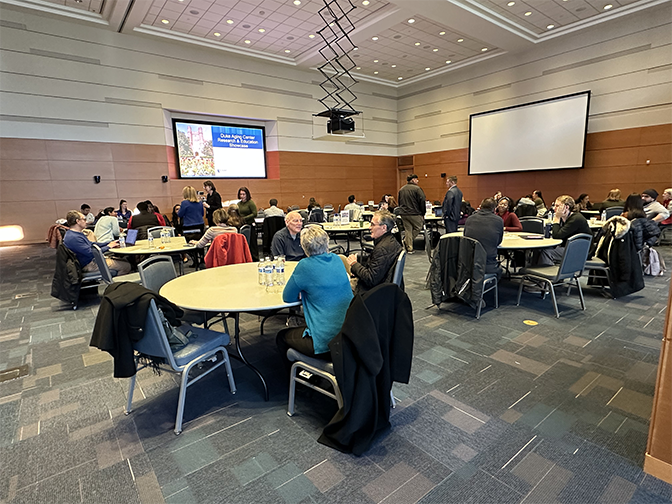
Excited attendees at the exposition of the Aging Center Research and Education Showcase!

If I were to continue heaping praise on the symposium and narrate every detail of the 4-hour-long event, you would be bored to death. Instead, allow me to focus on the most impressive research undertakings (in my humble perspective): the PRISM Comparative Effectiveness Trial co-led by Dr. Cathleen Colon-Emeric, division chief of geriatrics, and the AI-driven clinical guidance project led by Dr. Juliessa Pavon.  

The PRISM trial presentation from Colon-Emeric was the second talk listed in the symposium agenda, the first after the welcoming remarks from Dr. Heather Whitson, director of the aging center. And its headline placement was justified from the get-go: data on the prevalence of fall-related injuries is astonishing and concerning. For instance, did you know that two deaths occur from falls every hour in America? How about the fact that fractures are a more potent cause of death than breast or prostate cancers? 

Having established the basis for her research, Colon-Emeric soon transitioned to her focus on post-acute care and the avenue by which she is investigating injury prevention mechanisms. Given that 90% of fracture patients take fall risk-increasing medications, with many taking up to three such medications simultaneously, Colon-Emeric and her co-investigators sought to design a randomized cluster crossover trial measuring injurious fall rates under three conditions. By assigning 3,780 patients in the study to deprescribing dangerous medications, treating osteoporosis, and both deprescription and treatment groups, the researchers hope to discern which model performs the best in preventing fall injuries. 

After a few more invigorating lectures, the audience welcomed Dr. Juliessa Pavon for her remarks on her research on leveraging AI to personalize medication deprescribing for older adults. While Pavon’s project similarly aims to confront the issue of polypharmacy in seniors, especially the use of multiple central nervous system (CNS) acting drugs, she focuses on the process of deprescribing and how to improve decision-making. Noting that the current deprescribing tools such as STOPP and START are limited by their “one size fits all” nature, Pavon proposed that AI, the driving force behind individualized treatment rules (ITRs), could be used as a better alternative.  

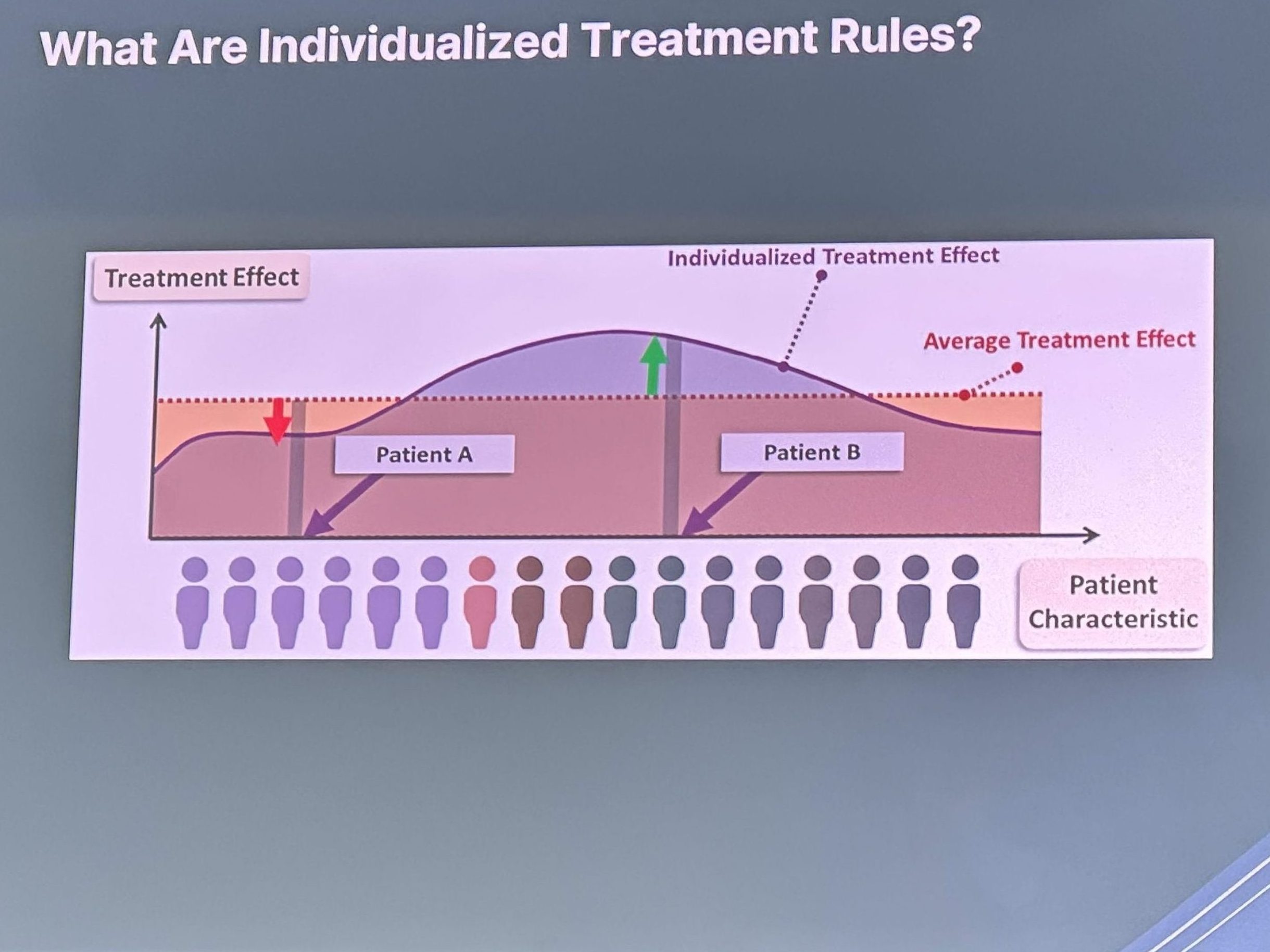
Beyond the complexity of models and algorithms used for this machine learning product and the behemoth dataset (containing information from 278,000 individuals) involved, I found Pavon’s explanation for the benefits of ITRs to be the most engrossing. Contrary to popular belief, ITRs don’t improve treatment outcomes for all patients, as portrayed in the depiction below. However, the strength of ITRs arises from their ability to achieve better outcomes for many patients beyond the baseline level, which is more desirable on a population level than applying the average treatment regimen. This realization was key for me to understand the rest of Pavon’s presentation.  

Graphic showing the effect of applying individualized treatment rules (ITRs) on a patient population

Of course, I must address the other fascinating talks and poster presentations before I conclude. Dr. Cara McDermott’s seminar on improving medication and safety for rural residents featured another exciting research project; the selected data on the costs and difficulties surrounding dementia care was enlightening and underscores the grave realities confronting the support networks of dementia patients. Additionally, Dr. Maria Marquine’s address on research education in the Aging Center featured much celebratory applause as the audience congratulated undergraduate, graduate, and postgraduate scholars affiliated with the Aging Center’s various initiatives. Marquine’s passion and dedication to cultivating the next generation of aging and geriatric physician-leaders are evidenced by her involvement in all levels of the Aging Center’s education model, which warrants acclamation from the population at large. Lastly, I must mention the innovative research project spearheaded by Dr. Darina Petrovsky, assistant professor of nursing, examining the effect of music-based intervention for dementia patients. Her work, combined with her unique educational background of music studies and nursing, illustrates the multidisciplinary nature of medicine and how all skillsets could be applied to improving human health. Pre-med students: take this to heart! 

While the weather outside was frightful, the fire of research and discovery inside the Trent Great Hall was surely delightful. As we celebrate another year of remarkable research progress at Duke Medicine and the Aging Center, let us congratulate our in-house experts on their work and together look forward to their exciting work in the coming year! 

By Stone Yan, class of 2028

Farmers, Crops…and Computers?

Sticky post

In Hanjie the rules are simple. In this game of logic and creativity, the players, often working on medium-sized grids of 225 squares, use numbers on the rows and columns as clues to determine which boxes to shade. At first, the prospect of seeing a beautiful picture seems almost unfathomable. However, through patience and collaboration from every corner of the page, these small seemingly random squares gradually come together to reveal a masterpiece—one square at a time. 

In a sense the efforts of Duke’s Climate Commitment are no different. The issue of climate change has proven to be a multifaceted one. One in which many parties play a role. However, with initiatives such as Duke’s Forever Learning Institute, the probability of tackling these issues becomes much clearer.

The logo of Duke’s Forever Learning Institute retrieved from their website.

Recently Duke’s Forever Learning Institute, an interdisciplinary educational program for Duke alumni, hosted Professors Norbert Wilson and Maiken Mikkelson for a compelling session on the impact of climate change on food and agriculture. Wilson, an agricultural economist and the Director of the World Food Policy Center at Duke, specializes in addressing critical issues related to food access, nutrition, and food security. Mikkelsen, a distinguished expert in physics, electrical, and computer engineering, explores the potential of nanomaterials to revolutionize agricultural processes, paving the way for innovative solutions in the field. Together, they explained how advancements in nanomaterials can improve food security and sustainability. 

Throughout the session, Wilson emphasized the concept of food security. He began by clarifying the difference between “food loss” and “food waste.”  Food loss occurs at the agricultural level. It refers to food that is produced but never reaches consumers, often due to challenges such as poor harvesting seasons, labor shortages for harvesting, or other natural factors. He describes the ways in which loss occurs across the board but disproportionately affects less developed countries. Wilson also explained how food waste occurs at the consumer level. He details how it goes beyond the waste of a product but is also a waste of the resources used to create that product. 

Picture of Professor Norbert Wilson. Photo retrieved from Duke Divinity School.

Wilson illustrated the significance of these issues by drawing out the larger issue of food insecurity. Food insecurity describes an inability to access food or concerns about accessing food. In the United States 13.5 percent of citizens struggle with accessing food. This can lead to a number of negative health outcomes such as cardiovascular issues and diabetes. Food insecurity can also lead to behavioral and performance issues, particularly in young children.

Infographic about food insecurity retrieved from ECOMERGE.

This is where Mikkelson comes in. She described a term known as Precision Agriculture. In this, researchers observe and measure agriculture fields and extra data to see what resources such as water, and fertilizer is needed at each part. In this, they hope to retrieve good information through wavelengths as a means of getting a spectral fingerprint that supplies information about the crops. Mikkelsen describes her interest in leveraging nanomaterials to create lightweight, cost-effective hyperspectral cameras capable of capturing detailed spectral fingerprints of crops. She hopes that these materials can be employed around the world, and low resource settings to increase crop yields. The greatest roadblock in this would be the price and issues with widespread application. However, once applied it would hold the ability to detect key characteristics such as nutrient deficiencies, water stress, or disease presence.

Duke Researchers working with Nanotechnology. Image retrieved from Duke Pratt School of Engineering.

Our world is wildly affected by climate change. Climate change and agricultural production hold a very dependent relationship and fixing one side holds the ability to correct the other. This is what makes the work and research of those such as Wilson and Mikelson all the more important. Their efforts show how we can utilize technology to not only enact social change but also reverse our climate issues. Their research highlights not only the urgency of addressing food security and agricultural sustainability but also the transformative potential of interdisciplinary approaches.

Just as the game of Hanjie reveals its masterpiece one square at a time, tackling climate change requires collective effort and patience. Each initiative, whether through advanced nanotechnology or policy-driven solutions, brings us closer to a sustainable future. Duke’s Forever Learning Institute serves as a platform to connect these ideas, inspiring action and innovation that can shape a better tomorrow—one step at a time.

Post by Gabrielle Douglas, Class of 2027

‘Design Climate’ Students Pitch Solutions at Energy Week 2024

Sticky post

Amid the constant drumbeat of campus events, much of the conversation turned toward the challenges we face in energy policy, security and transitions during Duke’s annual Energy Week, held Nov. 11-15.

On the second day, the Innovation Showcase featured not only startups making their pitches for clean energy and sustainable tech products, but students doing so as well. 

Currently in its second year, Duke Design Climate is a new initiative between the Pratt School of Engineering and the Nicholas School of the Environment. It functions as a two-course sequence, in which students form groups to prototype and promote climate solutions after conducting market research.

As I made my rounds to the teams, I met a mix of graduate students and undergraduates with academic backgrounds ranging from engineering to economics to environmental science. The ideas they have aren’t purely theoretical: all are looking for sponsors or partners to help implement their solutions into real-world use. Here were some of the highlights:    

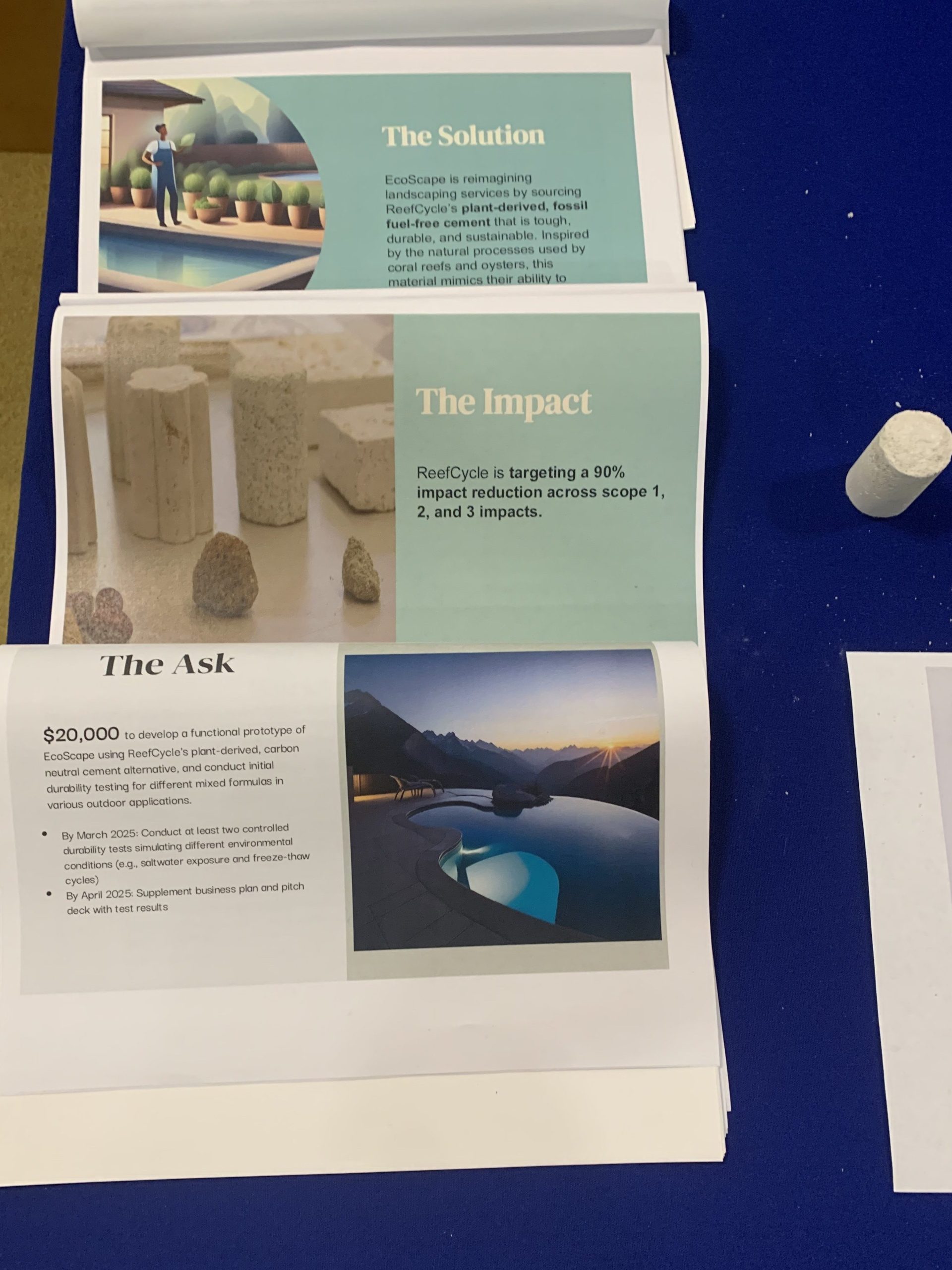
Team ReefCycle is building from plants: Our first stop is named after the company whose product they intend to scale up. Initially, Mary Lempres founded ReefCycle to develop sustainable material for artificial reefs. Regular industrial production for cement requires intensive heating– burning of fossil fuels–releasing tons of carbon dioxide. ReefCycle sought to reduce this climate impact with a different method: their cement is plant-based and enzymatic, meaning it’s essentially grown using enzymes from beans. Testing in the New York Harbor yielded some promise: the cement appeared to resist corrosion, while becoming home for some oysters. The Design Climate team is now trying to bring it to more widespread use on land, while targeting up to a 90% reduction in carbon emissions across all scopes.

Team Enfield is uplifting a local community: Design Climate, evidently, is by no means limited to science. Instead, these team members intend to address an environmental justice issue close to home: energy inequality. Around 30-35% of Enfield residents live below the poverty line, and yet suffer from some of the highest energy bills in the larger area. Located a ninety minute drive east of Durham, this rural town is one of the poorest in North Carolina. Historic redlining and unfavorable urban planning are responsible for its lack of development, but now this team aims to bring back commerce to the area through microfinance. Once enough funding is gathered from investors and grants, the team hopes to provide microloans and financial literacy to spur and empower businesses. 

UNC Libraries Commons

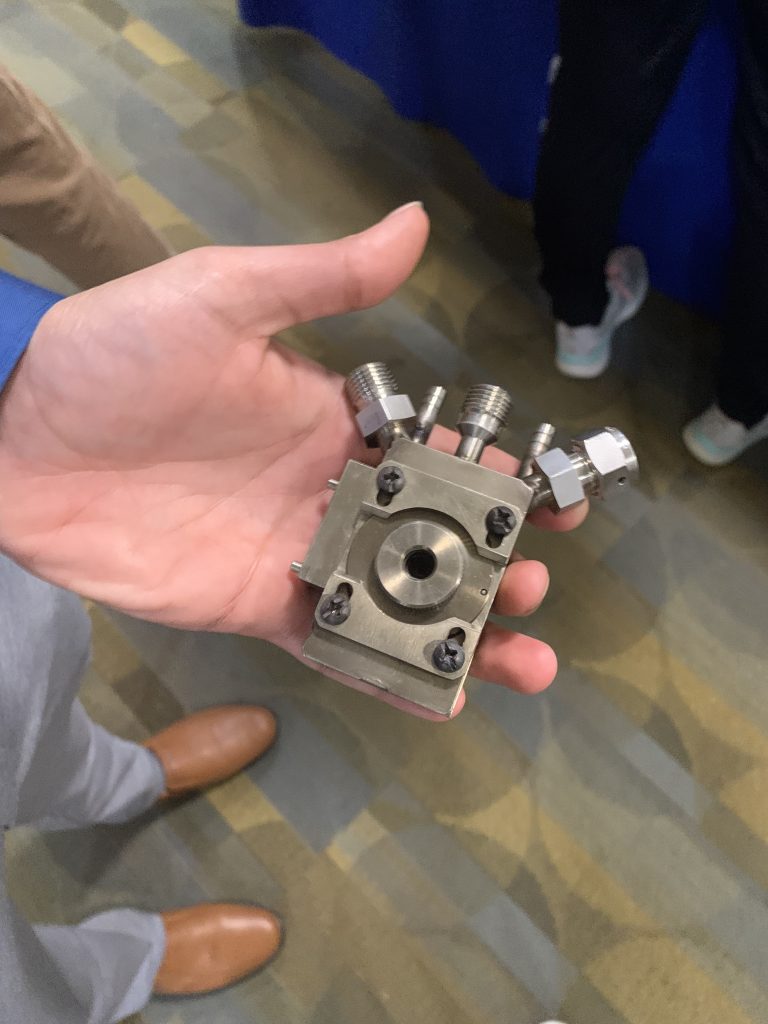
Team Methamatic promotes a pragmatic e-methane solution: This team is harnessing the power of sunlight to drive fuel production. Synthetic methane, commonly referred to as e-methane, is produced by reacting green hydrogen and carbon dioxide. “Currently, the power-to-gas process can be carbon neutral,” said team member Eesha Yaqub, a senior. “Sourcing the recycled carbon dioxide from a carbon capture facility essentially cancels out the emissions from burning methane.” However, this power-to-gas (P2G) process is an intensive one requiring high heat, energy, and pressure–hoops that might not have to be jumped through if an alternative process could break through the market. Professor Jie Liu and the Department of Chemistry have been working on developing a reactor that would conduct this same reaction without those obstacles. “[Utilizing] the energy from ultraviolet light, which is absorbed by a catalyst …makes the process less energy intensive,” Yaqub said.

Right now, the team has a small prototype, but one used for commercial generation would appear much larger and cost between $15,000 to $20,000. Their intended customers? Oil and gas companies under pressure to shift away from fossil fuels. If successfully scaled up, they predict this process would produce e-methane at a price of $5 per kilogram. 

Analyzing living shorelines through Team Coastal Connect: If “Coastal Connect” sounds more like an app than a project name, that’s because it is one. This group is designing what one member dubbed a “fitbit for shorelines”: a monitoring system that brings data from ocean buoys to the phones of local landowners. While measurements in salinity and water level aren’t always telling for the average person, the app would contextualize these into more useful phrases. Is it currently safe to swim? It’ll let you know.

Moreover, it would also allow for the long-term monitoring of living shorelines. While we know this nature-based solution offers resilience to natural disasters and presents erosion, short-term fixes like seawalls are often built instead to continue allowing development up to the edge of beaches. The team hopes that ideally, providing concrete data on living shorelines would allow us to demonstrate their benefits and promote their implementation. 

By Crystal Han, Class of 2028

Invented at Duke, Inspired at Duke

Sticky post

“Our technology is tailored towards scanning animals. In fact, we can run scans on entire organisms!” 

Image from the Photoacoustic Imaging Lab that made it onto the front page of Science: glassfrog transparency!

Excitedly, Soon-Woo Cho, a postdoctoral associate in the Photoacoustic Imaging Lab, referred me to the standing poster at the Nov. 20 Invented at Duke showcase. While I stood puzzled looking intensely at the articulate images, I suddenly realized that the jumble of blue and red outlined the shape of a frog! 

As one could imagine, this technology, the masterpiece invention of biomedical engineering professor Junjie Yao and his team, is too advanced for a first-semester undergraduate to understand.

Soon-Woo  Cho
Soon-Woo Cho, postdoctoral fellow with the Photoacoustic Imaging Lab.

Nonetheless, Cho patiently explained its basic mechanisms to me in simpler terms. One of the technology’s key attributes was its speed; while traditional imaging counterparts were known for their long processing times, Yao’s team was able to reduce that time to mere seconds.

Another accomplishment is the product’s versatility and widespread application. Not only can the system distinguish between arteries and veins, coloring them as red and blue respectively, it can also play an important role in diagnosing cancer cells, as these malignant cells are known for inducing abnormal growth of surrounding blood vessels. 

After hearing this inspirational work, I traveled a few steps to another booth. While both research projects take place within the biomedical engineering department, their focus could not be more different. Ruth Verrinder, a current PhD student working in Jonathan Viventi’s lab, explained to me how the flexible electrode strips on display are part of an effort to address a significant medical need.

Ruth Verrinder
Ruth Verrinder, PhD student and member of the Viventi Lab.

Today, many surgeries to treat epilepsy are disappointingly unsuccessful. Even after a lengthy medical process including diagnosis and highly intensive treatment and procedures, such failures are simply too much to bear for many patients and families. The Viventi Lab believes that through improving the quality and quantity of data collected by medical electrodes, more surgical successes would naturally follow.

Their current product is already in use at Duke, and the team has ambitious plans for further developing the product.  The top priority is to build implantable electrodes so brain signals could be tracked for weeks to months before prospective surgeries, better informing surgeons and medical professionals on the specific patient’s conditions.  

While the booths hosting major inventions attracted the most fanfare, many other organizations were also present. One can hardly avoid the history exhibition: the bending, wave-like wall of “A Century of Innovation at Duke” greeted every visitor as they walked in the Penn Pavilion doors. On the other side of the wall, a history table curated by the Rubenstein Library displayed remarkable patents from Blue Devils across time, not to mention the popular button-making station that touted designs like “I love patents!”  

Although the acclaimed Dr. Robert Califf, director of the Food and Drug Administration, did not make it to the event, the occasion was nonetheless an overwhelming success. As a biomedical engineering student, I got to witness some of the most advanced research occurring in my field of study and meet prominent faculty. In the crowd of attendees, many students, regardless of undergraduate or graduate, studying humanities or the sciences, huddled around posters while inquisitively listening to inventors. Even academics from other institutions came to attend the sixth annual Invented at Duke: while I was learning more about the Viventi Lab’s research, a scholar from the University of Georgia joined the huddle and posed questions. 

Even as all attendees, including myself, were astounded by the ingenious discoveries presented, I think there is a deeper takeaway than simply being “wowed” by incredibly advanced brain electrodes or imaging systems.

As stressed by the Office of Translation and Commercialization, Office of Innovation and Entrepreneurship, and Nucleate, a student-led organization focused on biotechnology innovation, groundbreaking development is feasible and not a feat to be done alone. For those with bold ideas, there are innumerable resources on campus to help bring those visions into reality.

For those interested in innovation but do not have the “sparks,” there are countless ways to get involved with existing projects and find one that suits your passions. Above all, those whose interest lies beyond biomedical sciences should not be discouraged: if there are current initiatives aimed at improving satellite images, there are surely many other non-biomedical endeavors for you to explore! 

Let us not only celebrate what’s invented, but also the thriving spirit of invention here at Duke. Onwards! 

Stone Yan, class of 2028

The Dukies Cited Most Highly

Sticky post

The Web of Science ranking of the world’s most highly-cited scientists was released this morning, telling us who makes up the top 1 percent of the world’s scientists. These are the authors of influential papers that other scientists point to when making their arguments.

EDITOR’S NOTE! — Web of Science shared last year’s data! We apologize. List below is now corrected, changes to copy in bold. We’re so sorry.

Twenty-three of the citation laureates are Duke scholars or had a Duke affiliation when the landmark works were created over the last decade.

A couple of these Duke people disappeared from this year’s list, but we’re still proud of them.

Two names on the list belong to Duke’s international powerhouse of developmental psychology, the Genes, Environment, Health and Behavior Lab, led by Terrie Moffitt and Avshalom Caspi.

Dan Scolnic of Physics returns as our lone entry in Space Science, which just makes Duke sound cooler all around, don’t you think?

This is a big deal for the named faculty and an impressive line on their CVs. But the selection process weeds out “hyper-authorship, excessive self-citation and anomalous citation patterns,” so don’t even think about gaming it.

Fifty-nine nations are represented by the 6,636 individual researchers on this year’s list. About half of the citation champions are in specific fields and half in ‘cross-field’ — where interdisciplinary Duke typically dominates. The U.S. is still the most-cited nation with 36 percent of the world’s share, but shrinking slightly. Mainland China continues to rise, claiming second place with 20 percent of the cohort, up 2.5 percent from just last year. Then, in order, the UK, Germany and Australia round out the top five.

Tiny Singapore, home of the Duke NUS Graduate Medical School, is the tenth-most-cited with 1.6 percent of the global share.

In fact, five Duke NUS faculty made this year’s list: Antonio Bertoletti, Derek Hausenloy and Jenny Guek-Hong Low for cross-field; Carolyn S. P. Lam for clinical medicine, and the world famous “Bat Man,” Lin-Fa Wang, for microbiology.

Okay, you scrolled this far, let’s go!

Biology and Biochemistry

Charles A. Gersbach

Clinical Medicine

Christopher Bull Granger

Adrian F. Hernandez

Gary Lyman

Cross-Field

Priyamvada Acharya

Chris Beyrer

Stefano Curtarolo

Vance G. Fowler Jr.

Po-Chun Hsu (adjunct, now U. Chicago)

Ru-Rong Ji

William E. Kraus

David B. Mitzi

Christopher B. Newgard

Pratiksha I. Thakore (now with Genentech)

Xiaofei Wang

Mark R. Wiesner

Environment and Ecology

Robert B. Jackson (adjunct, now Stanford U.)

Microbiology

Barton F. Haynes

Neuroscience and Behavior

Quinn T. Ostrom

Plant and Animal Science

Sheng-Yang He

Psychiatry and Psychology

Avshalom Caspi

William E. Copeland

Terrie E. Moffitt

Space Science

Dan Scolnic

Page 4 of 111

Powered by WordPress & Theme by Anders Norén