Research Blog

Following the people and events that make up the research community at Duke

Students exploring the Innovation Co-Lab

The Second Kind of Impossible: The Thrilling Discovery of Quasicrystals

The finding of natural quasicrystals is a tale of “crazy stubborn people or stubbornly crazy people,” said physicist and Princeton professor, Paul J. Steinhardt, who spoke at Duke University on October 10 regarding his role in their discovery.

Quasicrystals were once thought to be impossible, as crystals were the only stable form of matter. Crystals allow for periodic patterns of atoms while quasicrystals allow for an ordered, yet non-periodic pattern that results in rotational symmetry. Crystals only allow for two-, three-, four-, and six-fold symmetry and create the geographical shapes of squares/rectangles, triangles, hexagons, and rhombuses (Figure 1). However, quasicrystals allow for ten-fold symmetry with unlimited layers of quasicrystal patterns and various shapes. The penrose tiles (Figure 2) is an example of one-dimensional quasicrystal pattern, while the kitchen tiles of your home is an example of a traditional crystal pattern. 

Figure 1
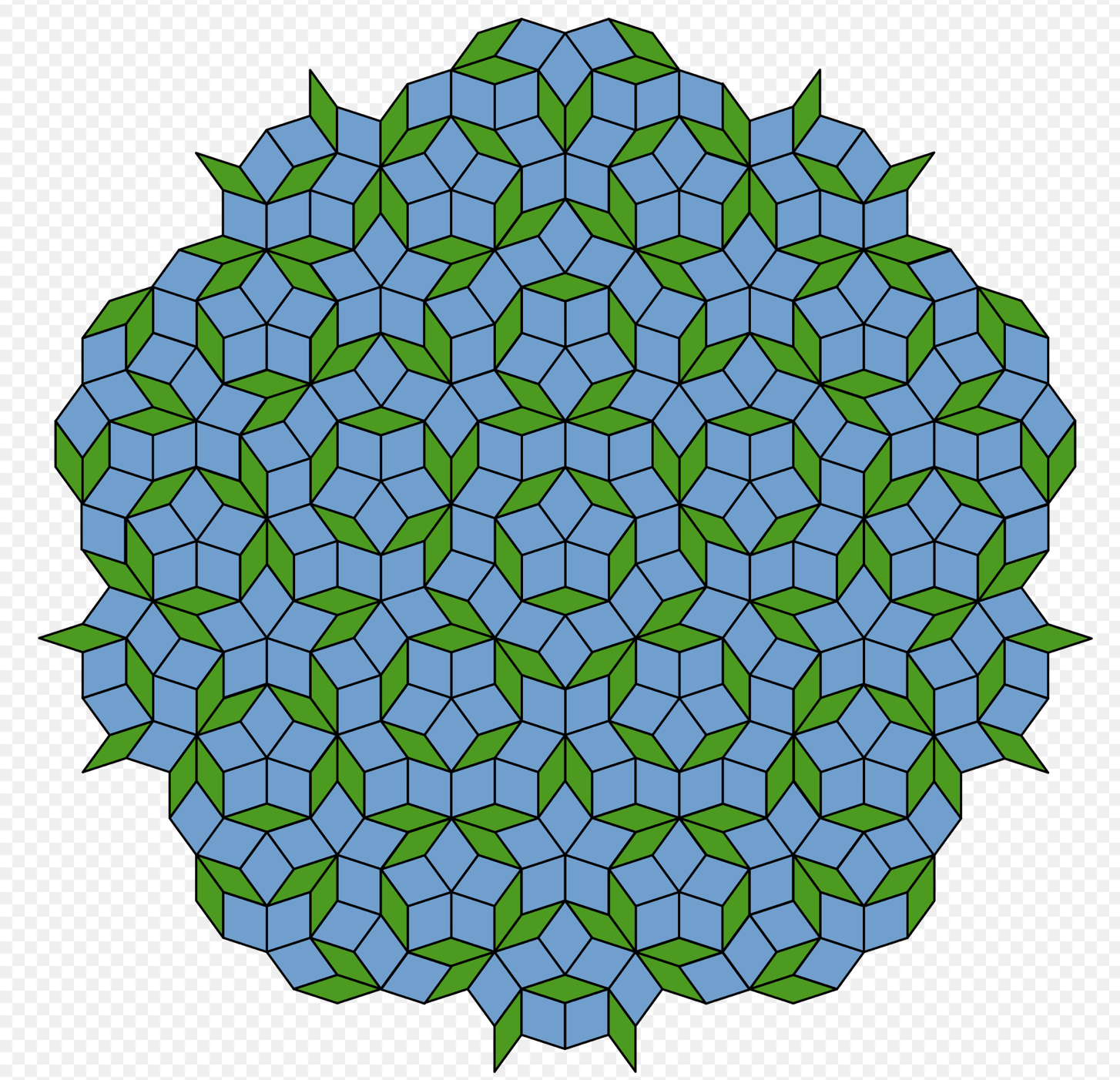
Figure 2

Steinhardt and his student, Don Levine, published a paper in 1984 attempting to prove the theory of quasicrystals

After the discovery of man-made quasicrystals from a fellow scientist, Steinhardt wanted to find quasicrystals in nature as opposed to laboratories. He began this by contacting museums with global mineral samples in case they contained undiscovered quasicrystals. This did not yield any results. 

Luca Bindi, who then worked for the Museum of Natural History at the University of Florence in Italy, discovered that Steinhardt was searching for natural quasicrystal and wanted to join his endeavors. Bindi found the first interesting sample at the museum he worked in through the rare mineral, khatyrkite, from the Koryak Mountains of Chukotka, Russia. They analyzed the tip of this sample, the width was that of a strand of hair, and discovered the most perfect ten-fold, rotationally symmetric pattern of a quasicrystal from minerals in nature. Even more interesting was that the chemical compound of this quasicrystal, Al63Cu24Fe13, was the exact composition of quasicrystals created in a Japanese laboratory, now found in a rock. 

Steinhardt then took these findings to Lincoln Hollister, a renowned geologist, for his expert opinion. Hollister proceeded to tell Steinhardt that this discovery is impossible as its chemical composition of metallic aluminum cannot be created in nature. Steinhardt wondered if this sample came from a meteorite, which was an “ignorant, stupid suggestion, but Lincoln didn’t know that,” Steinhardt said. Lincoln refers Steinhardt to Glenn Macpherson, an expert meteorologist, who further elaborated that metallic aluminum from meteorites is, once again, impossible. 

Two renowned experts in their fields describing the impossibility of Steinhardt and Bindi’s hypotheses was not enough for them to quit. Their next step was to trace Bindi’s khatyrkite to obtain more samples. Firstly, they attempted to find Nico Koekkoek, a Dutch mineral collector who had sold innumerable mineral samples to various museums. Dead end. Then they wrote to museums globally regarding their khatyrkite samples and discovered four potential samples. All fakes. Yet another dead end. Next was to analyze the legitimate sample in St. Petersburg because any sample of a newly discovered mineral must be given to a museum. The uncooperative discoverer, Leonid Razin, had immigrated to Israel and refused to let anyone touch the sample. They had hit a dead end again.

Bindi relayed this story to his sister and her friend over dinner. The friend’s neighbor shared the same common last name as the Dutch mineral collector, so the friend decided to ask his neighbor if it was an unlikely connection. Miraculously, the neighbor was the widow of the Dutch mineral collector and, after much persuading, handed over her late-husband’s secret diary. The diary reveals a mineral smuggler named Tim from Romania whom he received the khatyrkite. They were unable to locate Tim until Koekkoek’s widow relented yet another secret diary, which revealed that Tim had received these minerals from ‘L. Razin.’ The same Leonid Razin who refused them to view the sample! Eventually, Steinhardt discovered that Leonid Razid had sent a man named Valery Kryachko on an expedition for platinum. While he did not find platinum, he gave his samples to Leonid Razin, which astoundingly contained the natural quasicrystals that Steinhardt had searched for decades. Kryachko was completely unaware of its journey and even provided the remaining sample, which Steinhardt and his team used for testing. 

Steinhardt’s original “ignorant, stupid suggestion” proved remarkably accurate, as they discovered that a meteorite hit Chukotka and resulted in natural metallic aluminum. 

Steinhardt and his dream team needed more samples of khatyrkite to conduct further research. Therefore, seven Russians, five Americans, one Italian, and a cat named Buck set forth the scientific Mission Impossible for natural quasicrystals. They came back with several million grains and after a few weeks, found a sample of clay layer that had not been touched in 10,000 years. This was the first quasicrystal to be declared a natural mineral. They ultimately discovered a total of nine quasicrystal samples, each from a different part of the meteorite. 

Steinhardt and his team’s analysis of quasicrystals is still not over and his book, “The Second Kind of Impossible,” delves further into the outlandish details of the over 30 years of research. This extraordinary journey of passion and ambition allows for the thrilling hope for the future of scientific discovery.

By Samera Eusufzai, Class of 2026

New Blogger Michelle Li: Shrek, Minecraft, and Discovering New Things

My mom likes to introduce me by telling a childhood story. She’s told the same one for years, but it never fails to crack her up. (Watch out—she will genuinely cry from laughter!) It goes like this:

I was in second grade, and I was taking the ESL test. It’s straightforward—they show you flashcards, and you name them in English. I breezed through tree and house; but when I saw a bird, I fell silent.

“Don’t you know what a bird is?” my mom asked.

Cheeks red, I responded, “I knew it was a bird, I just wasn’t sure what species.”

At this point we’re both chortling, and she tells me that aiyah, Michelle, you were always so serious as a child.

That’s me on the left looking resolute at preschool graduation.

Which is a fair analysis—I was shy. I overthought. And I was a perfectionist. If I didn’t have the best answer or the most interesting remark, I was often too scared to speak at all.

But I love formulating answers, and I love talking to people. So going into high school, I told myself this mindset would change. I would shoot every shot and carpe every diem, fear be darned.

Like all new things, it was difficult. The learning curve was so steep it may as well have had a vertical asymptote. (If you liked that math joke, ask me about my calculus-themed promposal!)

Fortunately, life has a way of placing us in situations that help us grow. Sophomore year, I volunteered to teach STEM classes to middle schoolers. The chaos of pre-teens with pent-up quarantine energy is unparalleled—needless to say, I was terrified. But I found solace in the familiarity of science—as I rambled about CRISPR-Cas9 and coral ecology, I became more comfortable speaking to others.

I learned that Shrek is an icon, Minecraft is a competitive sport, and I should never click links in the Zoom chat—lest I be lured into a Rickroll. I also discovered that it didn’t matter whether my presentation was perfect or even if I acted a little weird.

Zooming with my middle school STEM buddies—note the Elmo background.

What mattered was watching students who’d never heard of engineering before prototyping egg parachutes and Rube Goldberg machines. What mattered was seeing Vicky return for a second year, evolving from student to TA. What mattered was watching a kid’s face light up with the joy of learning something new.

That’s what I hope to accomplish with the Duke Research Blog. As a freshman, I know the endless possibilities on campus—while a blessing—can be intimidating. STEM and academia have seemingly high barriers to entry. But I’ve also seen that discovering something new can be the best feeling in the world. I hope to play a small part in helping you, the reader, get there.

And as a baby Dukie, I hope to connect with the inspiring community here. Whether through a Research Blog interview or a quick conversation on the crowded C1, I am so excited to meet y’all.

So, if you see me around campus, come say hello! And if you’re a people-person-but-introverted like me and could use a conversation starter, here are a couple:

  • Tell me what songs you’re jamming to! I’m currently looping Gracie Abrams and Wallows. Debussy and Tchaikovsky are also regulars—String Quartet No. 1 goes so hard.
  • Talk about football! As a lifelong Cincinnatian, Joe Burrow is our king.
  • Share whatever you’re working on! Whether it be uber-complicated math (shoutout to Nikhil) or the perfect matcha latte (shoutout to Krishna), I’d love to know what you’re experimenting with.

Until then, remember to stay hydrated and keep discovering new things. ☺️

Post by Michelle Li, Class of 2027

Doctors Share a Vision for Ending Preventable Blindness

Cataract surgery is often perceived as a garden-variety medical intervention akin to the colonoscopy, mammogram, or flu shot. But outside of higher-income countries, the following is not an understatement: eye care can be revolutionary. 

A cataract is described as “the clouding of the lens of the eye.”

It is estimated that, globally, 36 million people are blind; that around 90% of preventable blindness cases are demarcated within low and middle income countries; and that nearly 75% of blind individuals could regain their vision with medical intervention. 

Today, cataract surgery can be performed for $100 or less and, with a practiced hand, in as little as three minutes. 

In that context: a blind individual can completely regain their sight in the time it takes to brush their teeth. For the price of a discounted pair of running shoes. 

Dr. Geoffrey Tabin is an ophthalmologist and co-founder and chairman of the Himalayan Cataract Project. He is also the fourth person in the world to reach the tallest peak on each of the seven continents.

In late September, the Duke Global Ophthalmology Program hosted the A Vision for Ending Preventable Blindness panel to address the global scope of vision impairment, eye care interventions, and subsequent socioeconomic implications. Panelist Dr. Geoffrey Tabin, Professor of Ophthalmology and Global Medicine at Stanford University, characterized the nature of these eye conditions: “Glaucoma’s preventable, trachoma’s preventable, river blindness is preventable, vitamin A deficiency is preventable, even… diabetic changes [in vision] are preventable.” In fact, cataract surgery, in most cases, is a 100% and lasting cure.

What other health interventions boast similar statistics? 

Dr. Llyod Williams holds an ice cooler which will soon contain corneas for transplantation. Photo credit: Chris Hildreth/Rooster Media

Panelist Dr. Jalikatu Mustapha, new Deputy Minister of Health of Sierra Leone, and moderator Dr. Lloyd Williams, director of Duke Global Ophthalmology Program, established a corneal transplantation program in Sierra Leone. Pictured above with a box of corneas, Williams performed the country’s first corneal transplant in 2021. Mustapha and Williams recounted a clinical experience that well-represents their objectives:

Dr. Jalikatu Mustapha is an ophthalmologist, has overseen Sierra Leone’s Eye Care programme, and lectured at the University of Sierra Lione. She is currently the Deputy Minister of Health of Sierra Leone.

While operating in Sierra Leone, Mustapha and Williams worked with a patient completely blind since her teenaged years. After 29 years and a successful corneal transplant, she regained sight in one of her eyes. Walking out of the clinic, she saw a crying young woman and asked what was wrong. When the young woman responded, the patient recognized the woman’s voice, realizing that she was, in fact, her daughter. This would mark the first time she had physically seen one of her children. Her daughter was 19. 

Over the course of his career, Williams has performed thousands of eye surgeries in Africa including, of course, a number of corneal transplants. 

Despite the obvious efficacy of eye health interventions, blindness has little priority on the global health agenda nor in low income countries where preventable cases are disproportionately located. Tabin emphasized the “travesty” of this disconnect, describing blindness as “the lowest hanging fruit in global public health.”

Why is this the case? 

NGOs and governments point to the high mortality rates of infectious diseases like HIV, malaria, cholera, COVID. Blindness is not fatal, they argue, it is an apples and oranges comparison, cataracts to Ebola.

A glance at notable foundations and charities with health-related mission statements cements this sentiment. For example, among its laundry list of initiatives, the Gates Foundation funds the fight against enteric and diarrheal diseases, HIV, malaria, neglected tropical diseases, pneumonia, and tuberculosis; the Rockefeller Foundation “established the global campaign against hookworm… seeded the development of the yellow fever vaccine… supported translational research for tools ranging from penicillin to polio… spurred AIDS vaccine development;” and the Wellcome Trust financially supports infectious disease, drug-resistant infection, and Covid-19 research. 

Of course, this is not an effort to undermine the impact of these institutions but merely to point out a lack of urgency to redress blindness.  

The panelists challenged this “if not fatal then not urgent” thinking. Tabin cited two poignant WHO estimates: 1) vision impairment contributes to an annual $411 billion global productivity loss, and 2) the cost of providing eye care to every in-need individual would be around $25 billion.

The US Department of Defense’s proposed 2024 fiscal year budget is $842 billion. If this funding was allocated towards eye care, every case of preventable blindness could be mitigated 33 times over in one year.  

The downstream effects of blindness are substantial not only for the effected individual but for their family. In the absence of sufficient eye care, children with congenital cataracts, for example, will struggle/will not attend school; they will require care, potentially removing family members from the workforce; they will struggle to find employment; and, on average, they will have a life expectancy about a third of their age- and health-matched peers. Because 90% of preventable blindness is localized in low and middle income countries, community productivity and GDP may be significantly impacted by curable conditions. 

Tabin explained that “blindness really perpetuates poverty” and, on the flip side of the same coin, “poverty really accentuates the suffering of blindness.” Through his work at Stanford, Tabin identified pockets of agricultural Northern California with mass migrant workforces and high rates of preventable blindness. Documentation concerns, language barriers, and/or lack of healthcare often prevents seasonal workers and immigrants from accessing and benefiting from care, comparable to that in low and middle income countries. 

Dr. Bidya Pant is an ophthalmologist and director of  Geta Eye Hospital in Nepal. He has worked with HelpMeSee to lead a team of cataract specialists.

Dr. Bidya Pant, a leading ophthalmic surgeon, challenged this so-called eye care vacuum in a number of countries, including Myanmar, Uganda, and Nepal. His work speaks for itself. In 2016, Pant built six new hospitals, worked with a number of local monks to facilitate care, trained countless ophthalmology specialists, and completed 200,000 cataract surgeries. His high volume cataract surgery model dramatically decreased cost such that even individuals from the poorest communities in Nepal are still able to afford life-changing care. 

In 1984 the population prevalence of blindness in Nepal was 0.84%. In 2015, it was just 0.35%. 

Similar to Pant’s collaboration with the Myanmar monks, Mustapha, in her role as Sierra Leone’s Deputy Health Minister, has worked to increase access to eye care by training community healthcare workers who already provide maternal care, chronic disease management, vaccinations, etc. to rural communities lacking access to public health initiatives. Mustapha also advocates for a national prioritization and an integration of eye health “… into a strong health system that focuses on delivering quality healthcare that’s affordable to every Sierra Leonean across all life stages, whether they be pregnant women, babies, teenagers, adults, or elderly people, without financial consequences.”

Mustapha then posed the question: If you provide a child with a vaccine for measles or pneumonia and they later go blind from cataracts, have you really helped that child? 

Of course not!

Photo from the Himalayan Cataract Project

At face value, ending preventable blindness seems overly idealistic. But, let’s return to Tabin’s “low hanging fruit” analogy. As exemplified by the work of Tabin, Mustapha, Williams, and Pant, eye care is public health’s blueberry bush. Given proper investment and government initiative, this aim is arguably realistic. It’s just a matter of enough hands reaching for and plucking berries from the bush.

I will defer to Williams who best situated the scope of their mission. He said: “You could make a serious case that there [is] no intervention… for the dollar… that would send more girls in Africa to school than cataract surgery.”

If interested, you can watch the A Vision for Ending Preventable Blindness Panel here: https://www.youtube.com/watch?v=3fSw5w2nk6k

Post by Alex Clifford, Class of 2024

“Wonders and Realities of the Universe”: Rachel Carson’s Legacy

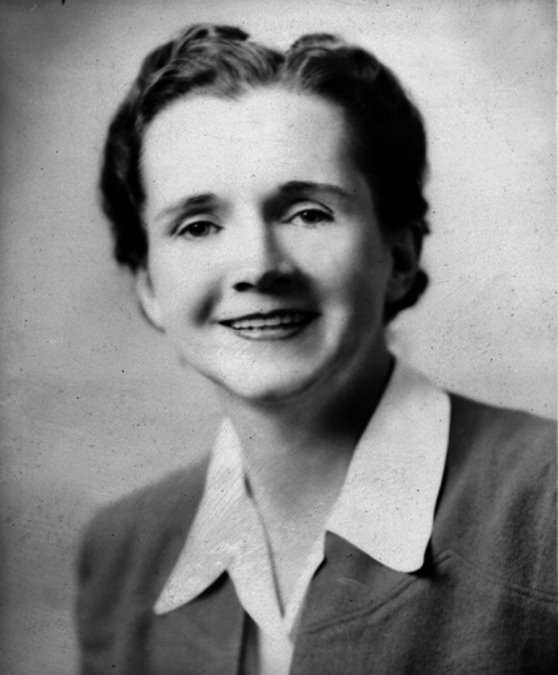
Rachel Carson was a twentieth-century marine scientist, conservationist, and writer. She is the author of Silent Spring, a groundbreaking book about the dangers of DDT and other pesticides.
Photo courtesy of the Rachel Carson Council.

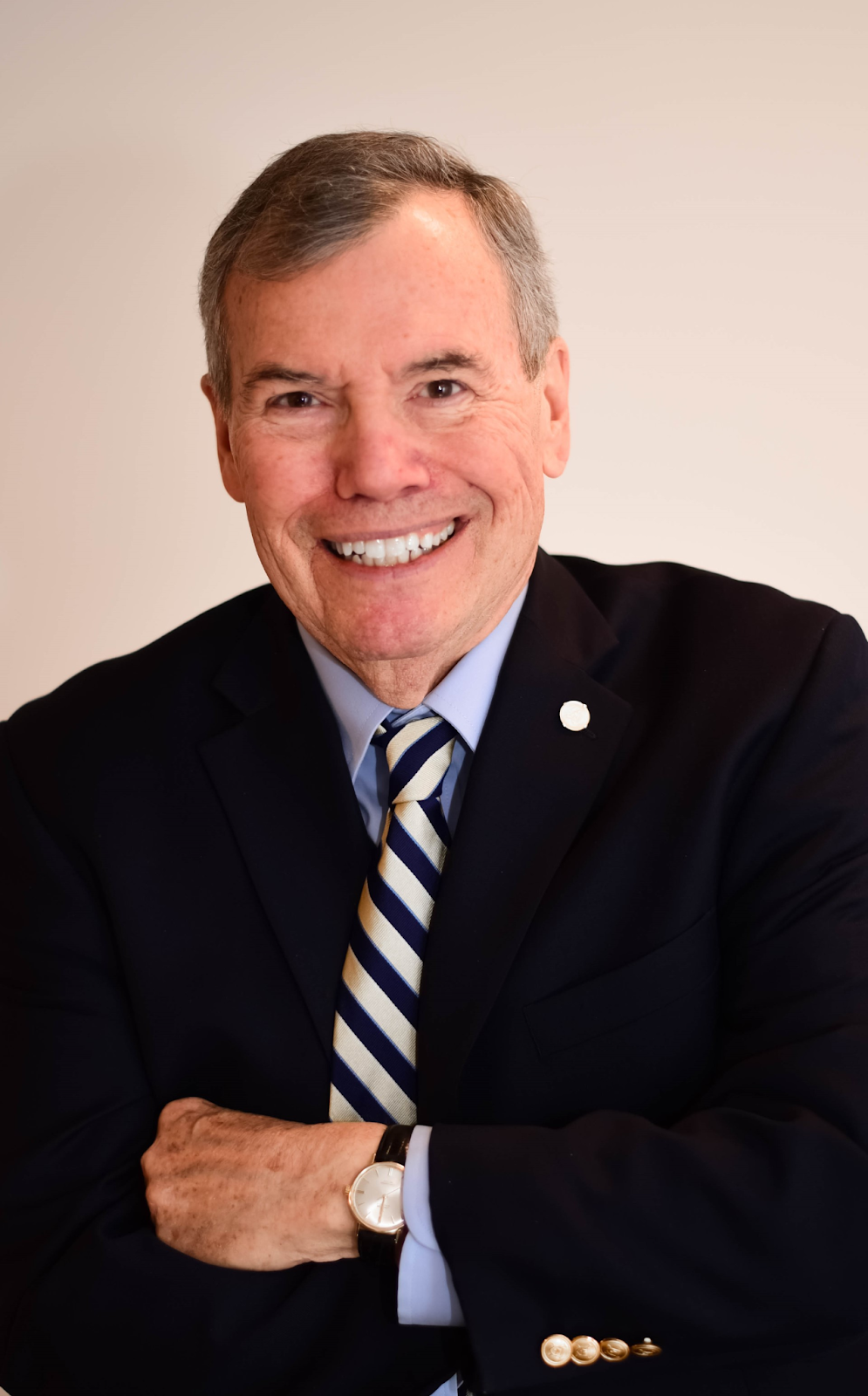
Robert K. Musil, Ph.D., M.P.H., recently visited Duke to talk about Rachel Carson’s environmental legacy and its implications for North Carolina today. Musil is the president and CEO of the Rachel Carson Council, an environmental organization founded in 1965 by friends and colleagues of Rachel Carson — a twentieth-century marine scientist, conservationist, and writer — after her death.

Robert K. Musil, Ph.D., M.P.H., president and CEO of the Rachel Carson Council.
Photo courtesy of Musil.

Musil began his presentation with a stirring quote by Carson: “The more clearly we can focus our attention on the wonders and realities of the universe about us the less taste we shall have for the destruction of our race. Wonder and humility are wholesome emotions, and they do not exist side by side with a lust for destruction.”

Rachel Carson is famous for writing Silent Spring, a groundbreaking book warning of the dangers of DDT and other pesticides. Carson published Silent Spring in 1962. She died in 1964. In 1972, the United States banned DDT.

More than half a century later, in our world of climate crisis and biodiversity loss, Carson’s devotion to the natural world is still incredibly timely. 

Rachel Carson’s Silent Spring documented how the insecticide DDT was harming not just insects but also animals farther up the food chain, human health, and the environment as a whole. The book spent thirty-one weeks on the New York Times bestseller list.
Image courtesy of the Rachel Carson Council.

Carson, Musil says, “believed that you had to develop real empathy for other creatures, other beings, other people, other nations… that unless you loved it, you would destroy it.” In Carson’s first book, Under the Sea-Wind, she takes the perspective of animals like the black skimmer, the mackerel, and the eel. Carson was writing about the perils facing marine ecosystems, but she was doing it “from the point of view of the ‘other,’” as Musil puts it, focusing our attention on creatures other than ourselves.

A black skimmer, a bird Rachel Carson wrote about in Under the Sea-Wind.
“Black skimmer (Rynchops niger) in flight” by Charles J. Sharp is licensed under the Creative Commons Attribution-Share Alike 4.0 International license.

“With the dusk a strange bird came to the island from its nesting grounds on the outer banks. Its wings were pure black, and from tip to tip their spread was more than the length of a man’s arm. It flew steadily and without haste across the sound, its progress as measured and as meaningful as that of the shadows which little by little were dulling the bright water path. The bird was called Rynchops, the black skimmer.”

-A passage from Under the Sea-Wind by Rachel Carson. Rynchops, Carson’s name for the black skimmer, comes from the bird’s genus name.

Musil describes how Carson would lie on the beach and hear crabs scratching the sand and listen to birds and imagine “how this life came to be, how these creatures, incredibly unique, came to this place in evolution.”

Carson was a marine scientist well before she published Silent Spring. She attended graduate school in marine biology with a full fellowship to Johns Hopkins University. At the same time, Musil says, she was working as a research assistant, teaching part-time at the University of Maryland and Johns Hopkins, and caring for extended family. Afterward, she worked for the Department of Fish and Wildlife and eventually became an author. Under the Sea-Wind was her first book; she wrote Silent Spring two decades later.

Carson is credited with spurring the modern environmental movement. Silent Spring and the concerns Carson raised about DDT prompted the President’s Science Advisory Committee, under the orders of John F. Kennedy, to investigate its dangers. Ultimately, DDT was banned in the United States, though Carson didn’t live to see it.

Rachel Carson and Hawk Mountain - Rachel Carson Council
An “iconic photo” by Shirley Briggs of Rachel Carson on Hawk Mountain.
Photo courtesy of the Rachel Carson Council.

But Musil emphasizes that throughout all Carson’s accomplishments, she did not act alone. He shows an “iconic photo,” as he describes it, of Rachel Carson sitting on Hawk Mountain and looking off into the distance through binoculars. The same photo is on the cover of Musil’s book Rachel Carson and Her Sisters: Extraordinary Women Who Have Shaped America’s Environment. He looks at the audience and asks a question: “Is Rachel alone on top of the mountain?” In the photo, Carson seems to be alone in a great expanse of wilderness, but the obvious answer to Musil’s question is no. Someone, after all, had to be there to take the picture.

That someone was Shirley Briggs, a friend of Carson’s and a scientist in her own right. “Rachel Carson,” Musil emphasizes, “was not alone.” Friends, colleagues, and mentors worked alongside her. And many of those people continued her work after she was gone. Before Carson died, Musil says, she asked Shirley Briggs and others to form an organization to carry on her work. The Rachel Carson Council was founded the following year. Nearly six decades later, the Council is still committed to “Carson’s ecological ethic that combines scientific concern for the environment and human health with a sense of wonder and reverence for all forms of life in order to build a more sustainable, just, and peaceful future,” according to a statement on their website.

According to Musil, North Carolina was one of Carson’s favorite places. After she had a breast cancer operation, he says, “she took refuge at Nags Head and walked its beaches.” The Rachel Carson Reserve commemorates Carson and preserves coastal habitats and wildlife. Musil believes that Carson’s legacy has broader environmental implications as well. One pressing issue in North Carolina today is Concentrated Animal Feeding Operations, or CAFOs, where many animals are raised in confinement. North Carolina produces ten billion gallons of hog waste from CAFOs each year—enough to fill 1500 Olympic swimming pools, according to Musil.

This is an ecological and animal welfare issue but also an environmental justice case. CAFOs are more often built near lower income and minority communities, and the waste from CAFOs can negatively affect human health, pollute waterways, and lead to fish kills and other ecological problems. Living near CAFOs is associated with higher rates of asthma and other health conditions, according to Musil. He acknowledged Francesca Cetta in the audience, who along with Lucy Goldman, both Duke Stanback Fellows at the Rachel Carson Council, did the research and writing on the Rachel Carson Council report, Swine and Suffering: An Introduction to the Hidden Harms of Factory Farms.

Environmental justice was not a term Carson used, but she had similar concerns about who was most affected by environmental issues. In Silent Spring, Musil says, Carson wrote about farmers who dealt directly with DDT and how unjust that was. Today, environmental justice is gaining momentum as organizations and governments wrestle with fairness and equality in the environmental sphere.

In spite of ongoing environmental degradation, Musil remains hopeful. “I have incredible hope for the future,” he says, because of his organization and its mentoring of future generations of environmentalists. “It’s not like every single person has to go out and go birdwatching — though I would recommend it,” he says, but he does believe it is important to learn about and appreciate the natural world and to recognize how it intersects with, for instance, capitalism and social justice. “Designing a much more equitable, greener society is critical,” he says, and when it comes to working toward that future, he is “never going to stop.” 

He references the photo he showed earlier of Carson on the mountain: “I like to think instead of looking at hawks, she’s looking across those ridges and seeing… ranks and ranks of young people from Duke and across the country carrying on her vision.”

Post by Sophie Cox, Class of 2025

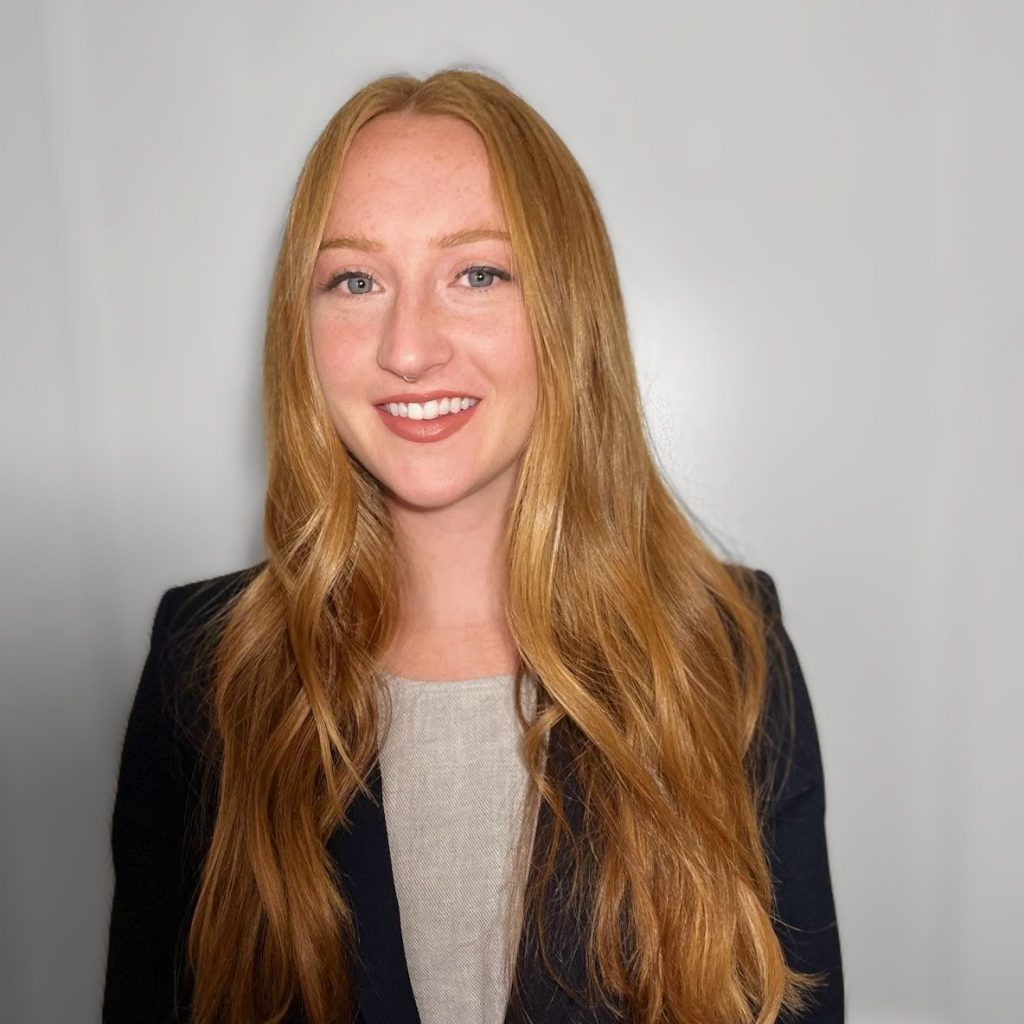
New Blogger Sophia Irion: Subject to Change

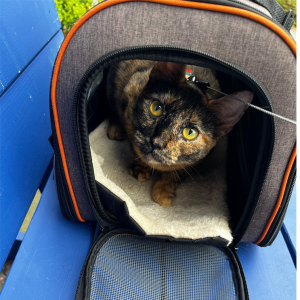
My cat Eve is meowing to go on her second walk of the night as I begin to write this. I adopted Eve at the beginning of my second semester. I am constantly observing her behavior. She doesn’t like being held, is most active early in the morning or late at night, and when my friends whistle at her she desperately tries to find the bird they must be hiding in their mouths.

This is Eve.

I can attribute her behaviors to the fact that she is both prey and predator. I adapt to her because as her caretaker I love her unconditionally. This type of love was new to me and has taught me how to be a better caretaker of myself and the people I love.

My two sisters and I each have two middle names. I’m the middle child. I’ve grown to see this as a wonderful thing since I get to be both an older and a younger sister. My older sister cares deeply about our well-being in a very motherly way. We’re each two years apart. This closeness in age has given me the opportunity to learn to care for my older sister as she cares for me.

Here I am caving. This gap is called the birth canal. I went on this trip with Duke Outing Club https://www.lostworldcaverns.com/about/

I’ve been changing drastically at least internally for the past three years. So, I feel that in this introduction it is important to note I am subject to change. I’m a sophomore whose interests academically range from creative writing to marine biology. I currently plan to major in Biology and/or Psychology with the failsafe being one as a major and one as a minor.

My love for Biology began in the woods. My childhood was principally outdoors or reading (including the many audiobooks I listened to). My sisters would act out stories though my younger sister and I grew tired of my older sister always being the princess. We would run off and make mud pies or make obstacle courses for trails of ants.

When I was ten, I started public school because I was not correctly homeschooled and ridiculously behind. This setback is why I am at Duke today. It created a hatred of ignorance within myself, which pushed me to learn in all areas.

The way this is currently manifesting is in my ballet class. I barely ran track and cross country in middle school, but played no other sports. I have zero rhythm. Yet, I have always found dancing so incredibly beautiful, ballet especially. It is certainly a push out of my comfort zone to stumble through sequences my classmates are achieving. I encourage others who have never danced to explore beginner classes at Duke. (Social dancing is a PE course and not listed.)

My love of Psychology began around ten when I noticed the changes happening in my mind. I would occasionally reflect through the years of my childhood how I was mentally developing. I still do this today as I approach that magical twenty-five marker when I will have a fully developed prefrontal cortex. There were also traumatic experiences I learned to process through psychology. It was easier for me to deal with the irrational behavior of loved ones through scientific observation. I also read memoirs by women with similar experiences.

Educated by Tara Westover:

https://www.goodreads.com/book/show/35133922-educated

What My Bones Know by Stephanie Foo

https://www.goodreads.com/en/book/show/58214328

Writing has always been a dream of mine. I’ve been journaling for as long as I can remember and attempting to emulate my favorite authors. I hope through this position with Duke Research Blog I can make science accessible through writing and showcase the amazing people I am surrounded by.

Kaylee and I having lunch in the Brodhead Center.

My best friend Kaylee for example is a Chemistry major and I am constantly listening to her “nerd out.” Chemistry is not my strong suit but her passion is contagious. It’s energy like this from people who love what they do that inspires me to keep learning. I hope to share these sources of inspiration here.

The best thing about Duke to me is the possibility to have a fascinating conversation with anyone. My friends and I have our separate intellectual passions; yet when one of us has a question, the other always seems to have an answer.

Post by Jacqueline “Sophia” Irion, Class of 2026

Blue is The New Color of Sustainable Investing

The green bond market’s remarkable success, currently valued at over US $500 billion[i], shows how bond finance is an effective way to raise substantial capital for climate-related investments. Following on this success, blue bonds are emerging as the newest trend in sustainability investing and they’re poised to make waves.

Introduced in 2008, green bonds commit to using the funds they raise exclusively for environmentally friendly projects, assets, or business activities[ii]. Since then, the green bond market has seen explosive growth and helped to shape investor attitudes toward sustainable investing.

The blue bond market — blue as in oceans — is where green bonds were 15 years ago[iii]. Blue bonds are a relatively new type of sustainability designed to finance the conservation and sustainable management of ocean and coastal resources[iv].

The Republic of Seychelles issued the first blue bond in 2018, with funds dedicated to expanding Marine Protected Areas (MPAs) and improving fisheries governance[v]. To date, only 25 other blue bonds have been issued[vi]. Although in its infancy in comparison to green bonds, the blue bond market is poised to follow a similar trajectory as governments, companies, and investors begin to realize the importance of the blue economy and the relationship between climate change and our oceans[vii].

The Ocean’s Big Role

The ocean covers 70% of the Earth’s surface, comprises 97% of all water on earth, and contains 99% of all living space on the planet[viii]. It plays a vital role in absorbing carbon dioxide and producing the oxygen we breathe, it is a significant component of the global economy, and a key element in fighting climate change. However, governments and organizations around the world continue to abuse the ocean rather than protect it. But with over three billion people reliant on a healthy ocean for their livelihoods, and more than 350 million ocean-related jobs, continued exploitation of our oceans will have catastrophic consequences[ix].

Commitments without Capital

The past few years have seen numerous commitments to restoring and protecting the long-term health our oceans. The United Nations declared 2021-2030 as “The Ocean Decade” and the 30×30 campaign pledges to protect at least 30% of the ocean by 2030[x]. Despite these commitments, the ocean remains chronically underfunded. Sustainable Development Goal (SDG) 14 “Life Under Water” receives the least amount of long-term funding of any of the SDGs. Recent reports suggest that $175 billion per year is needed to achieve SDG 14 by 2030; and yet, between 2015 and 2019, just below USD $10 billion was invested.[xi]

Source: https://icg.citi.com/icghome/what-we-think/citigps/insights/sustainable-ocean-economy

Not only does this gap prevent any meaningful progress, the cost of inaction is devastating. Failing to invest in our oceans could result in a total bill of USD $200 billion to $1 trillion a year by 2100 in loss of land, people relocation, and coastal protection[xii]. To put it simply, we cannot afford to underinvest in our oceans.

Mobilizing Capital Through Blue Bonds

Current ocean funding comes primarily through public and philanthropic sources, which are essential, however incredibly insufficient. Enabling the increased use of private finance is critical to achieving ocean conservation goals, and the use of blue bonds can play an essential role.

Bonds are a debt instrument that facilitates an interaction between a borrower and an investor. The investor provides capital to the borrower, and the borrower is required to pay back that capital within a certain period. In the case of blue bonds, the borrower is also required to use the capital to create positive impact on the marine environment. Such an arrangement enables the borrower to access significant amounts of capital upfront and provides the investor with a predictable income stream. This relationship is of particular use within the climate landscape. Green and blue bonds effectively unlock additional sources of capital for climate-related investments and enable private investors to participate in markets that would otherwise be considered too risky.

Source: https://enviroaccounting.com/green-bonds-and-pay-for-performance/

Successful Green Bonds as a Blueprint

To enable the rapid and responsible scaling of the blue bond market, we can leverage existing frameworks from green bonds as models. The green bond market has seen numerous innovative bond structures that support investment in traditionally underserved markets and align financial incentives with sustainability-focused outcomes. Three of these innovative bond issuances are outlined below and offer unique opportunities to apply similar structures to the blue bond market.

Blue is the New Green: A deep dive into three green bond structures and how they can turn blue

The Wildlife Conservation Bond

In 2022, The World Bank and Global Environment Facility issued a first-of-its-kind Wildlife Conservation Bond (WCB) which channels investment into conservation outcomes. This five-year $150 million bond contributes to protecting and increasing black rhino populations in two protected areas in South Africa[xiii]. The WCB is a great example of an innovative green bond that unlocked new financing streams for biodiversity protection and conservation initiatives.

Using the Wildlife Conservation Bond as a model, we can replicate this template across new geographies and species and transform how conservation is funded. Investors in the WCB do not receive coupon payments. Instead, the issuer makes conservation investment payments to help fund rhino conservation initiatives. In a similar manner, blue bonds can be created that enable coupon payments to be channeled to protect critical marine species.

Uruguay’s Sustainability-Linked Bond

In 2022, Uruguay issued a USD $1.5 billion sustainability-linked bond which includes a pricing feature designed to reward progress made on emissions-reduction targets. Coupon payments received by investors would decrease if the Uruguay government met pre-determined emissions targets, but if targets were missed there was a required increase in payment[xiv]. This arrangement aligned financial and environmental incentives and offered a signal to borrowers that more affordable finance is available in return for performing – or exceeding – sustainability strategies[xv].

Similar financing structures could be applied across a range of sustainability goals within the ocean landscape. Rather than reward progress on emissions reductions, blue bonds could be structured to offer favorable financing for biodiversity, establishing marine protected areas (MPA ) reducing plastic pollution, or fisheries management.

The Forests Bond

The Forests Bond was issued by the International Finance Corporation in 2016 to help unlock private finance for reducing deforestation. Investors in the USD $152 million Forests Bond could choose to receive coupons in the form of verified carbon credits, rather than cash payments[xvi]. This arrangement helped to boost demand for carbon credits and demonstrated investor interest in sustainability-focused investments.

The Forests Bond model can be repeated to support conservation of blue carbon ecosystems such as mangroves, salt marshes, and seagrasses. Blue carbon ecosystems sequester two to four times the amount of carbon of terrestrial forests, however, it is estimated that these ecosystems are being destroyed at four times the rate of tropical forests[xvii]. Designing a bond to act as a catalyst for the blue carbon market could offer the critical incentives needed to protect these essential environments.

Building the Blue Bond Wave

In all three of the above cases, investor demand for the green bond far exceeded initial expectations or the planned bond offering. This indicates that there is high investor interest for innovative bond models that provide both positive financial and climate returns. The main challenge is then providing investors with enough attractive opportunities to participate. With just 25 blue bonds issued to date, the blue bond market is nascent. Establishing a robust blue bond market requires transparency, standardization, and accountability. Clear Key Performance Indicators (KPIs) must be developed to demonstrate the tangible benefits of blue bond investments in terms of ocean conservation and sustainable resource management. Additionally, collaboration between governments, financial institutions, and environmental organizations is essential to create a supportive ecosystem that encourages blue bond issuance. Ultimately, the future of the blue bond market hinges on aligning financial incentives with environmental objectives, fostering innovation, and building a robust infrastructure that inspires trust and commitment from a diverse set of stakeholders[xviii].

Guest Post by Mackenzie Audino, 2024 Masters candidate in business administration and environmental management. This project was completed as part of the ClimateCap Fellowship, a program of the ClimateCap Initiative led by Duke University’s Fuqua School of Business and supported by the Hearst Foundations.


[i] https://www.sciencedirect.com/science/article/pii/S0308597X22002664#bib26

[ii] https://www.oecd.org/environment/cc/Green%20bonds%20PP%20%5Bf3%5D%20%5Blr%5D.pdf

[iii] https://unglobalcompact.org/take-action/ocean/communication/blue-bonds-accelerating-sustainable-ocean-business

[iv] https://www.undp.org/indonesia/blog/indonesia-launches-worlds-first-publicly-offered-sovereign-blue-bond-undps-support

[v] https://www.worldbank.org/en/news/press-release/2018/10/29/seychelles-launches-worlds-first-sovereign-blue-bond

[vi] https://www.mdpi.com/1911-8074/16/3/184

[vii] https://www.wellington.com/en-gb/intermediary/insights/blue-bonds-marine-ecosystem

[viii] https://oceanliteracy.unesco.org/our-blue-planet/

[ix] https://www2.deloitte.com/content/dam/Deloitte/uk/Documents/risk/ocean-financing.pdf

[x] https://marine-conservation.org/30×30/

[xi] https://www.weforum.org/whitepapers/sdg14-financing-landscape-scan-tracking-funds-to-realize-sustainable-outcomes-for-the-ocean/

[xii] https://www.nature.com/articles/s41467-021-23168-y

[xiii] https://www.worldbank.org/en/news/press-release/2022/03/23/wildlife-conservation-bond-boosts-south-africa-s-efforts-to-protect-black-rhinos-and-support-local-communities

[xiv] https://www.reuters.com/markets/rates-bonds/bank-floats-10-bln-brazilian-bond-plan-halt-amazon-deforestation-2022-12-19/

[xv] https://www.ifre.com/story/3661444/latin-america-bond-uruguays-us15bn-sustainability-linked-bond-wh65f7xrlp

[xvi] https://www.conservation.org/docs/default-source/peru/forests-bond_factsheet.pdf?Status=Master&sfvrsn=867eadb8_3

[xvii] https://siwi.org/latest/what-are-we-getting-wrong-about-blue-carbon/

[xviii] OpenAI. “The future of the blue bond market and what needs to happen to increase the amount of capital that is invested.” ChatGPT, 2023, [https://chat.openai.com/c/ba58a2d7-1129-465c-9fa5-f4815f08aa91]. Accessed [September 27, 2023]

My Face Belongs to The Hive (and Yours Does Too)

Imagine having an app that could identify almost anyone using only a photograph of their face. For example, you could take a photograph of a stranger in a dimly lit restaurant and know within seconds who they are.

This technology exists, and Kashmir Hill has reported on several companies that offer these services.

An investigative journalist with the New York Times, Hill visited Duke Law Sept. 27 to talk about her new book, Your Face Belongs To Us.

The book is about a company that developed powerful facial recognition technology based on images harnessed from our social media profiles. To learn more about Clearview AI, the unlikely duo who were behind it, and how they sold it to law enforcement, I highly recommend reading this book.

Hill demonstrated for me a facial recognition app that provides subscribers with up to 25 face searches a day. She offered to let me see how well it worked.

Screen shot of the search app with Hill’s quick photo of me.

She snapped a quick photo of my face in dim lighting. Within seconds (3.07 to be exact), several photos of my face appeared on her phone.

The first result (top left) is unsurprising. It’s the headshot I use for the articles I write on the Duke Research Blog. The second result (top right) is a photo of me at my alma mater in 2017, where I presented at a research conference. The school published an article about the event, and I remember the photographer coming around to take photos. I was able to easily figure out exactly where on the internet both results had been pulled from.

The third result (second row, left) unsettled me. I had never seen this photo before.

A photo of me sitting between friends. Their faces have been blurred out.

After a quick search of the watermark on the photo (which has been blurred for safety), I discovered that the photograph was from an event I attended several years ago. Apparently, the venue had used the image for marketing on their website. Using these facial recognition results, I was able to easily find out the exact location of the event, its date, and who I had gone with.

What is Facial Recognition Technology?

Researchers have been trying for decades to produce a technology that could accurately identify human faces. The invention of neural network artificial intelligence has made it possible for computer algorithms to do this with increasing accuracy and speed. However, this technology requires large sets of data, in this case, hundreds of thousands of examples of human faces, to work.

Just think about how many photos of you exist online. There are the photos that you have taken and shared or that your friends and family have taken of you. Then there are photos that you’re unaware that you’re in – perhaps you walked by as someone snapped a picture and accidentally ended up in the frame. I don’t consider myself a heavy user of social media, but I am sure there are thousands of pictures of my face out there. I’ve uploaded and classified hundreds of photos of myself across platforms like Facebook, Instagram, LinkedIn, and even Venmo.

The developers behind Clearview AI recognized the potential in all these publicly accessible photographs and compiled them to create a massive training dataset for their facial recognition AI. They did this by scraping the social media profiles of hundreds of thousands of people. In fact, they got something like 2.1 million images of faces from Venmo and Tinder (a dating app) alone.

Why does this matter?

Clearly, there are major privacy concerns for this kind of technology. Clearview AI was marketed as being only available to law enforcement. In her book, Hill gives several examples of why this is problematic. People have been wrongfully accused, arrested, detained, and even jailed for the crime of looking (to this technology) like someone else.

We also know that AI has problems with bias. Facial recognition technology was first developed by mostly white, mostly male researchers, using photographs of mostly white, mostly male faces. The result of this has had a lasting effect. Marginalized communities targeted by policing are at increased risk, leading many to call for limits on the use of facial recognition by police.

It’s not just government agencies who have access to facial recognition. Other companies have developed off-the-shelf products that anyone can buy, like the app Hill demonstrated to me. This technology is now available to anyone willing to pay for a subscription. My own facial recognition results show how easy it is to find out a lot about a person (like their location, acquaintances, and more) using these apps. It’s easy to imagine how this could be dangerous.

There remain reasons to be optimistic about the future of privacy, however. Hill closed her talk by reminding everyone that with every technological breakthrough, there is opportunity for ethical advancement reflected by public policy. With facial recognition, policy makers have previously relied on private companies to make socially responsible decisions. As we face the results of a few radical actors using the technology maliciously, we can (and should) respond by developing legal restraints that safeguard our privacy.

On this front, Europe is leading by example. It’s likely that the actions of Clearview AI are already illegal in Europe, and they are expanding privacy rights with the European Commission’s (EC) proposed Artificial Intelligence (AI) regulation. These rules include requirements for technology developers to certify the quality of their processes, rather than algorithm performance, which would mitigate some of these harms. This regulation aims to take a technology-neutral approach and stratifies facial recognition technology by it’s potential for risk to people’s safety, livelihoods, and rights.

Post by Victoria Wilson, MA Bioethics and Science Policy, 2023

How Faculty Can Improve Neurodiverse Student Experiences

We all have the teachers who changed our lives. They paid special attention to us, taught with grace and generosity, and just seemed to understand us on another level. 

For Navya Adhikarla, that professor opened her to a new understanding of herself. As an international graduate student, her professor helped her participate in class discussions, feel comfortable asking questions on class material, and, most importantly, navigate her neurodiversity and accommodations. 

These experiences and more were shared at the Neurodiversity Student Perspectives Panel hosted by Neurodiversity Student Connections on September 26. The panel was an opportunity for faculty and staff to learn more about accommodating and understanding neurodiverse students.

Duke Neurodiversity Connections defines neurodiversity as “[recognizing] the diversity of human minds and the inherent worth of all individuals. As a social justice movement, the neurodiversity movement aims to celebrate the strengths and advocate for the needs of those with autism, ADHD, and other neurological differences.” The organization works with students like Adhikarla to create a positive campus culture and academic environment. You can read more about Duke Neurodiversity Connections and their resources on their website

Panel participants from left to right: Jadyn Cleary, Alex Winn, Sam Brandsen, Ph.D., Navya Adhikarla

The three panelists came from a variety of experiences and backgrounds. Alex Winn is a recent 2023 graduate who is currently the technical director of the Duke Cyber team and does research with the Department of Mathematics. Jadyn Cleary is a senior at Duke who is in the Duke Disability Alliance and acts as the President of The Clubhouse. Navya Adhikarla is a graduate student in the Master of Engineering Management program. She serves as the Student Program Director at Duke GPSS. The panel was moderated by Sam Brandsen, Ph.D., who graduated from Duke and is currently a research scholar at the Center for Autism and Brain Development.

The panelists talked about the various barriers they’ve encountered at Duke: feeling ashamed to use their accommodations, a lack of psychological safety on work teams, and inaccessibility to resources. Cleary talked about the barriers within the accommodations themselves. She said that even when accommodations are given, it often feels like “[they’re pushing you into] how to make you act like a neurotypical student when you aren’t” instead of genuinely serving neurodiverse students.

However, a common thread was the power of a professor to change a student’s experience. All three panelists spoke about how individual professors were the ones to connect them to resources such as the Duke Student Disability Access Office (SDAO), the Duke Disability Alliance, the Clubhouse, Duke Counseling & Psychological Services (CAPS), DukeReach, and Duke Neurodiversity Connections. Without these professors, the panelists said they wouldn’t have been able to find these resources themselves. Instead, it was simply luck that they had run into professors who could inform them of the support that Duke offers. 

Because of this shared experience, the panelists wished for resources to be explicitly accessible by publicizing them during orientation week and other visible places. They also suggested creating resources like self-advocacy groups, catered career coaches, and specialized mental health services. 

Another common piece of advice was for professors to “pre-accommodate” all students. This could look like allowing mental health days with no questions asked, giving multiple forms to complete an assignment (essay, voice recording, infographic, etc.), using various modes of communication, offering explicit instructions for assignments, and giving adequate time for all students to finish the exam. By doing so, professors eliminate singling out students with accommodations, preventing the fear of embarrassment from peers that neurodiverse students often face. 

The panelists offered numerous specific examples of how Duke administration and faculty can create a more inclusive environment. At the end of the session, all three panelists urged professors to educate themselves on how to make their classrooms inclusive. But the overwhelming sentiment was asking for professors to care. Winn, in particular, emphasized the importance of the power of example when it comes to professors, graduate students, or TAs sharing their own experiences with neurodiversity: “Seeing others be comfortable in that way has always helped me be comfortable in that way.”

Adhikarla said about the professor who changed her perspective: “She really cared, that’s all she did. She really cared.”

By Emily Zou, Class of 2027

New Blogger Gabrielle Douglas: Reviving a Love for Learning

As a child, the ability to become anything is the most fundamental component of life. The prospect of adversity, or hardship seems almost unfathomable while carefully tending to your dreams.

Growing up, if you asked me what I aspired to do as an adult I likely would’ve rattled off an incomprehensible plan detailing jobs as big as exploring uncharted waters in faraway lands to jobs as simple as being able to make pancakes by myself as I had seen my older cousins do before me.

However, when asked the same question nowadays I find myself struggling to bring in the childlike excitement I held growing up. In fact, most days I find the most excitement when successfully completing the tongue twister I perform attempting to explain that I simply hope to study law.

After speaking with my peers, I have come to recognize that this is not a unique experience. In fact, viewing education as a process as opposed to an enriching journey seems to be the biggest shared experience among students everywhere. This recognition has led me here to Duke’s research blog.

My name is Gabrielle Douglas, I am a first-year student at Duke, and I hope to use my role as a research blogger to revive a love for learning!

I was born in Brooklyn, New York in 2005, but I was primarily raised in Houston, Texas (an experience that can only be summed up by one word: Hot). I spent a great portion of my childhood surrounded by stories of people from all walks of life because moving served as a constant in my life.

Through this experience, I was able to recognize from a young age that learning was truly a passion for me. J.M Barrie describes childhood as a place in which “dreams are born and time is never planned,” and for me nothing was truer. Throughout my youth, I came to realize that my love for learning people’s stories translated into the even larger realm of humanities. I spent hours learning how different parts of the world operate simply because I could. I filled my days with writing on topics I held dear to me. And most importantly I basked in the excitement that came with knowing that I understood another factor of life.

As I aged however, my lessons began to grow in uniformity in an effort to emulate a set curriculum. That was one of the driving factors in my dwindling love for learning. The learning process seemed to lose the spark of creativity that allowed for joy to surge within the process.

For this reason, embarking on this journey is so important to me. I hope to utilize this position to go beyond my comfort zone and begin exploring uncharted areas as my younger self once aspired to do.

I hope to provide you as readers with articles deeply intertwined with the joys associated with new discoveries. Most importantly, I hope to return to the space in which “dreams are born, and time is never planned.”

Post by Gabrielle Douglas, Class of 2027

Bolivia’s Lithium is Like White Gold in the Salar de Uyuni

As the world undergoes the great energy transition — from fossil fuels to alternative energy and batteries — rare earth metals are becoming more precious.

Open The Economist, Forbes, or Fortune, and you’ll see an article nearly every day on Lithium, Nickel, or Copper. For investors seeking to profit off of the transition, lithium seems like a sure bet. Dubbed “white gold” for electric vehicles, the lightweight metal plays a key role in the cathodes of all types of lithium-ion batteries that power electric vehicles (EVs). Although EVs produce fewer greenhouse gasses than gas- or diesel-powered vehicles, their batteries require more minerals, particularly lithium. 

On Sept. 26, Duke’s campus welcomed the first in a series of discussions on climate and energy diplomacy focused on the challenges and opportunities of mining and development in South America’s Lithium Triangle. In a room crowded with curious undergraduate and graduate students alike, some lucky enough to have snagged a seat while others stood at the perimeters, three experts discussed the possible future of Bolivia as a major player in the global lithium market. 

Professor Avner Vengosh of the Nicholas School

Duke Distinguished Professor Avner Vengosh, Nicholas Chair of Environmental Quality in the Nicholas School of the Environment, began by highlighting the staggering EV growth in 2020-2022: Sales of electric cars have more than tripled in three years, from around 4% of new car sales in 2020 to 14% in 2022. That number is expected to rise to 29.50% in 2028. Speaking of the critical element to EV production, lithium, Vengosh said frankly, “we don’t have enough.” 

Lithium is mined from two major sources, Vengosh explained. The first is from hard-rock pegmatite, where lithium is extracted through a series of chemical processes. Most of these deposits are found in Australia, the world’s biggest source. The second is from lithium-rich brines, typically found in Argentina, Bolivia, and Chile, also known as the “Lithium Triangle.” These brine deposits are typically found in underground reservoirs beneath salt flats or saltwater lakes. The Salar de Uyuni in Bolivia is the world’s largest salt lake, and the largest lithium source in the world. It stretches more than 4,050 square miles and attracts tourists with its reflective, mirror-like surface. 

Mountains surrounding the Uyuni salt flat during sunrise By Diego Delso, CC BY-SA 4.0, https://commons.wikimedia.org/w/index.php?curid=47617647
Mountains surrounding the Uyuni salt flat during sunrise, (Diego Delso)

A group of Duke students led by a PhD candidate pursuing research on Bolivian lithium development recently traveled to Bolivia to understand different aspects of lithium mining. They asked questions including: 

  • How renewable is the lithium brine? 
  • Are there other critical raw minerals in the lithium-rich brines? 
  • What are the potential environmental effects of lithium extraction?
  • What is the water footprint of the lithium extraction process?
  • Is water becoming a limiting factor for lithium production?

The Duke team conducted a study with the natural brine in the Salar, taking samples of deep brines, evaporation ponds, salts from evaporation ponds, wastewaters, and the lithium carbonate. Vengosh said that “we can see some inconsistency in the chemistry of the water that is flowing into the chemistry of the brine.”

This indicates that there is a more complex geological process in the formation of the brine than the simple flow of water into the lake. The team also confirmed the high purity of the lithium carbonate product and that there are no impurities in the material. Additionally, the Duke team found that the wastewater chemistry produced after lithium carbonate production is not different from that of the original brines. Thus, there are no limitations for recycling the water back to the Salar system.

After Vengosh shared the findings of the Duke research team, Kathryn Ledebur, director of the Andean Information Network (AIN) in Cochabamba, Bolivia and Dr. Scott MacDonald, chief economist at Smith’s Research & Gradings and a Caribbean Policy Consortium Fellow, discussed Bolivia’s lithium policy. With the largest untapped lithium deposits in the world, Bolivia has constructed a pilot plan for their lithium production, but Ledebur highlighted that the biggest hurdle is scaling. Additionally, with a unique prior-consultation system in place between the central government and 36 ethnic and indigenous groups in Bolivia, natural resources are a key topic of concern and grassroots action. Ledebur said, “I don’t see that issue changing any time soon.”

Another hurdle is that Bolivian law requires that the extraction process is controlled by the state (the state must own 51%). Foreign investors have been hesitant to work with the central government, which nationalized lithium in 2008 despite, critics said, lacking much of the necessary technology and expertise. 

Maxwell Radwin, a writer for Mongabay, writes, “Evo Morales, the former socialist president who served from 2006 to 2019, nationalized the industry, promising that foreign interests wouldn’t plunder Bolivia’s natural resources as they had in the past. Instead, he said, lithium would propel the country to the status of a world power. Morales didn’t just want to export lithium, though; he wanted to produce batteries and cars for export. This complicated deals with potential investors from France, Japan, Russia and South Korea, none of which came to fruition because, among other things, they were required to take on YLB (the state-owned lithium company) as an equal partner.”

Ledebur said, “At this point in time, the Bolivian government has signed three contracts… and I think things will fall into place.” 

Naysayers say that the Bolivian government hasn’t done anything to take advantage of the massive market sitting beneath their Salars and that grassroot consultations don’t work. Ledebur said, “I don’t think that it’s perfect, but it’s happening.”

Duke students will return to Bolivia with professor Vengosh next year to conduct more research on the lithium extraction process. Then, they’ll be able to see the effects of this ‘happening’ first-hand. 

By Isa Helton, Class of 2026

Page 13 of 111

Powered by WordPress & Theme by Anders Norén