Following the people and events that make up the research community at Duke

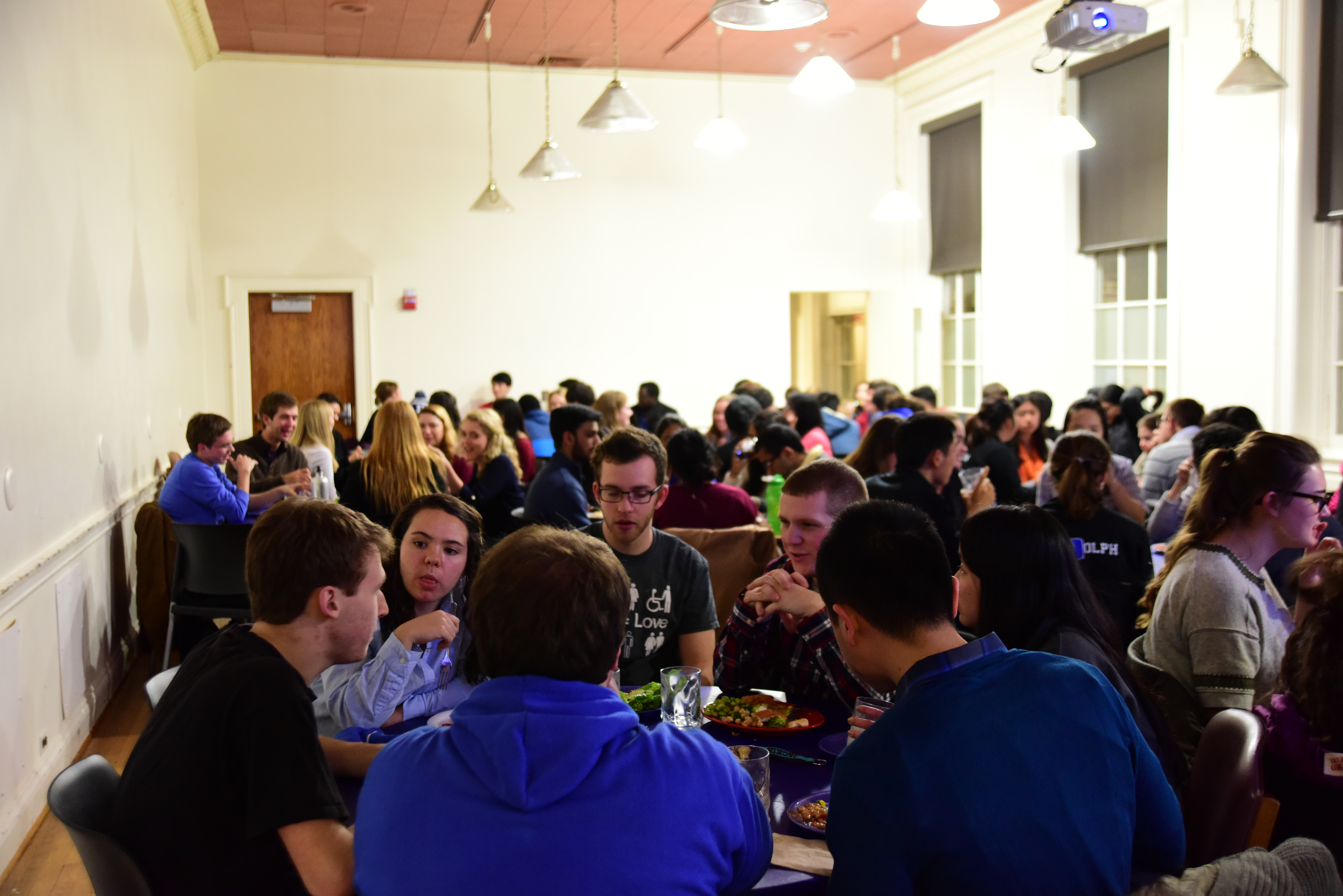
Students exploring the Innovation Co-Lab

Category: Biology Page 22 of 32

Curiosity, Music and Mentors Led Nowicki to Science

By Duncan Dodson

“The only reason I got into the program I wanted to was because I was a pretty good low brass player—I’m actually sure of it!”

Stephen Nowicki, Dean and Vice Provost of Undergraduate Education, chuckles as he recounts his journey from early scientific beginnings to his most recent research. As part of Duke BioCoRE program, prominent Duke Scientists are asked to answer the question, “Why am I a scientist?”
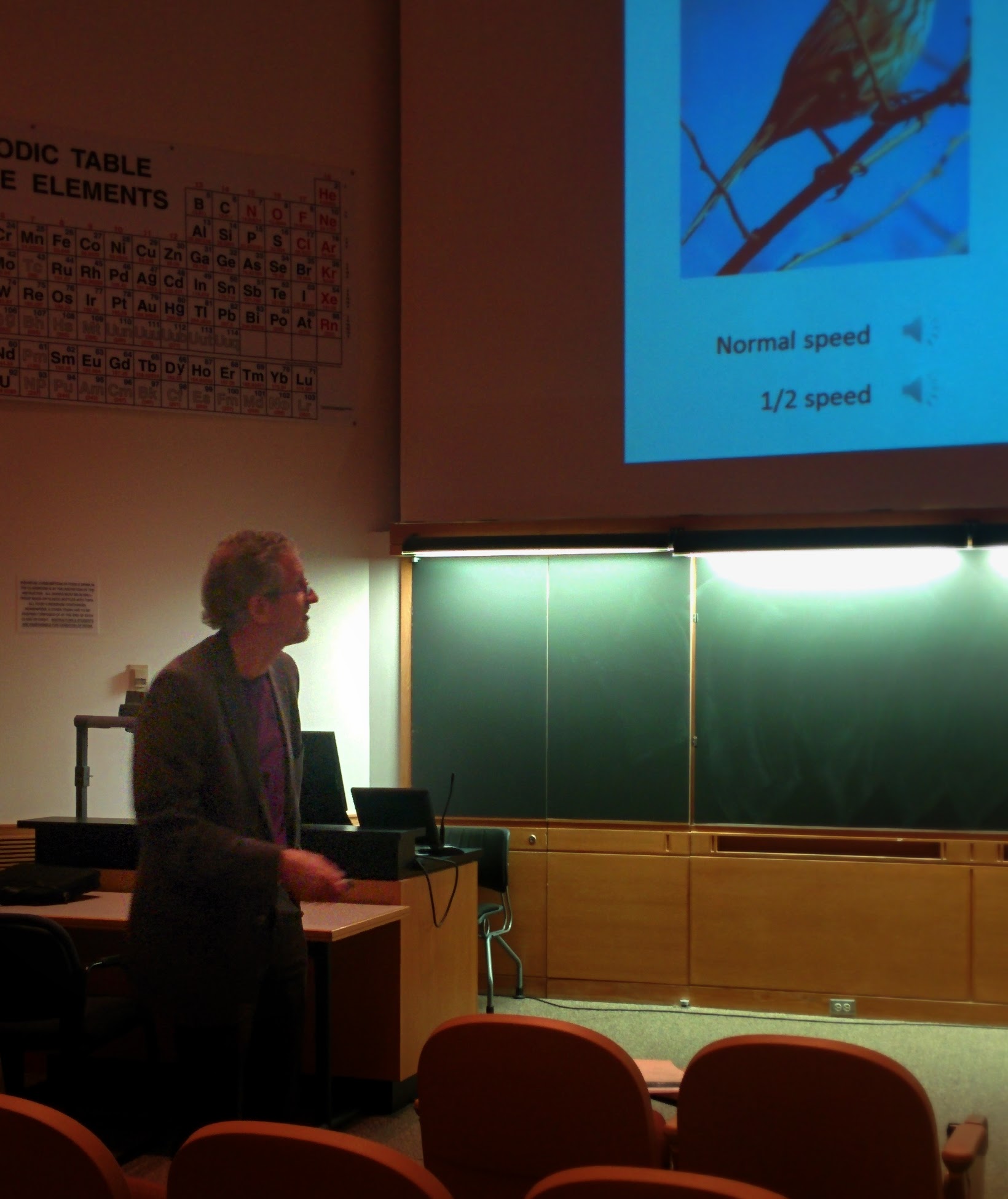
Nowicki talk picture

Nowicki explains his most recent research with swamp sparrows and phonemes, the smallest derivative of vocal communication, at Love Auditorium January 23, 2015.

Nowicki started his answer to that question on January 23 with a picture of a dissected—well more like massacred—frog, commenting that he never thought he liked science because of his high school science courses that were not well-taught.

“All I remember from that course was dissecting a frog, and not knowing what I was supposed to get out of it.” This led him to pursue a music major at Tufts University. It was Tufts’ equivalent of Duke’s Trinity requirements in a natural science field that led to an ironic turn of events—quickly picking up a biology double major.

“I had some friends that said ‘Oh you should take this biology course,’ and I did and it changed my life, because it was really well taught,” he said. From there, his mentor at Tufts reached out to a colleague, the head of a competitive graduate neurobiology program at Cornell, Tom Eisner. Eisner mentioned to Nowicki that he was looking to start an amateur orchestra at Cornell;  Nowicki responded that he could play lower brass, sparking Eisner’s interest, and ultimately, according to Nowicki, his acceptance into the program.

Flash forward about 30 years. Nowicki has an impressive career in the field of neurobiology. His most recent publication challenges the neurological methods in which swamp sparrows process the subtle differences of phonemes, the smallest derivatives of vocal communication, in other birds’ songs.
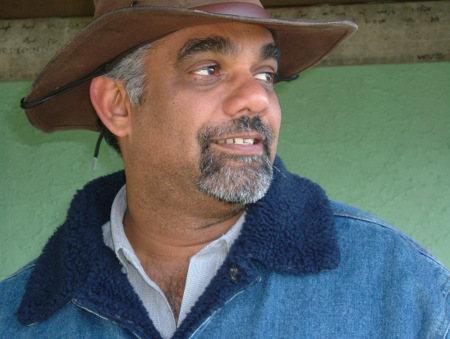
Steve Nowicki

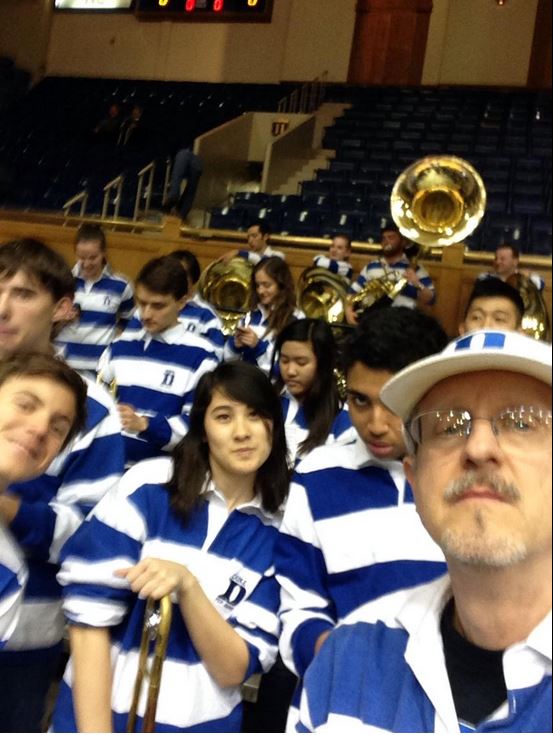
Nowicki’s tweet (@SteveNowickiDU) January 13, 2015. “Back where I belong at last!” Nowicki is a regular in the Cameron pep band who has always combined his passion for music with a curiosity for science.

Nowicki spent a majority of his talk relating entertaining anecdotes about his work with “Robobird,” a titanium swamp sparrow used to test these theories.

He repeatedly stressed the importance of curiosity, which led him to discover subjects he was passionate about. He discussed the process of instilling the same kind of curiosity in three undergraduate engineers through the two-and-a-half year research project. “[The first year engineers] didn’t have a clue, but they were not deterred. When they started to understand the problem they just kept digging in and digging in.”

When asked why he is a scientist, Nowicki responded, “I was lucky to run into mentors who revealed me to aspects of science that interested me, and I wasn’t afraid to fail.”

Is the "Wizarding Gene" Dominant or Recessive?

By Nonie Arora

Dr. Spana explains the wizarding gene to eager students. Credit: Arnab Chatterjee

Dr. Spana explains the wizarding gene to eager students. Credit: Arnab Chatterjee

How do recessive alleles and the world of Harry Potter connect? Some students found out last week from Dr. Eric Spana, a faculty member in the Biology department.

He started off by explaining how a mutation in the MC1R (melanocortin 1 receptor) gene causes red hair in humans because of the way it affects a pigment called eumelanin. He added that MC1R is a recessive gene, and showed a pedigree of the Weasley family tree. Professor Spana pointed out that J. K. Rowling had gotten the genetics right. The Weasley clan has red hair and so does Harry’s daughter Lily. This makes sense because Harry must have a recessive allele for red hair since his mother, also Lily, had red hair. Whether this is intentional or just fortuitous casting, who can really say?

He then explained some potential retroactive genetic “crosses” that could be done to determine whether the “wizarding gene” was dominant or recessive. As a quick refresher, recessive alleles require both the mom and dad to pass on the same genetic sequence to the child for the condition to occur, while dominant alleles require only one copy.

According to Professor Spana, Step 1 was to check whether a witch and a muggle who mated ould produce a wizard. Indeed, this is possible, and the evidence is Seamus Finnigan, a half-blood wizard. Due to these results, the gene could still be dominant or recessive.

In Step 2, he explained, you mate a wizard to someone who could not have the wizarding gene. Fridwulfa, the giantess, married Mr. Hagrid, a wizard, to produce our beloved Rubeus Hagrid, who was a wizard. Since giants cannot have the wizarding gene, but Hagrid is still a wizard, the wizarding gene must be dominant!

Crowd of students ask provocative questions about squibs and recessive vs. dominant inheritance. Credit: Arnab Chatterjee

Crowd of students ask provocative questions about squibs and recessive vs. dominant inheritance. Credit: Arnab Chatterjee

You’ll have to stop by Dr. Spana’s office to ask him more about where muggle-borns and squibs come from. There’s a few different genetic explanations, and I encourage you to do some thinking and exploration.

Outside of his work on the genetics of Harry Potter, Dr. Spana also researches and teaches Genetics & Developmental Biology at Duke.

iGEM: An Exciting Way to Merge Biology and Engineering

Screen Shot 2015-01-12 at 6.41.06 PM

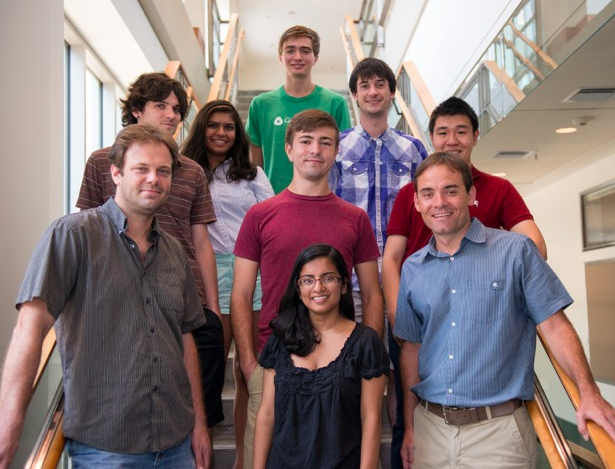
Duke iGEM 2014 team with faculty advisors Nick Buchler, front left, and Charlie Gersbach, front right. Mike is behind Dr. Gersbach.

by Anika Radiya-Dixit

The International Genetically Engineered Machine (iGEM) competition is dedicated to education for students interested in the advancement of synthetic biology, in other words, taking engineering principles and applying them to natural sciences like biology.

Students in the competition explored using a gene or series of genes from E.coli bacteria to create biological devices for applications such as dissolving plastic or filtering water. In November 2014, the Duke iGEM team took part in the annual competition in Boston, proudly leaving with a gold medal on their work in 3D printing technology and DNA synthesis protocol.

This week, I contacted the iGEM team and had the opportunity to talk with one of the members, Mike Zhu, about his experience in the competition. Mike is currently a junior from Northern California studying Biomedical Engineering and Computer Science. He is enthusiastic about researching how biology and computer science interact, and is conducting research with Dr. John Reif on DNA technology. Mike is also involved with the Chinese Dance team, and enjoys cooking, eating, and sleeping. Below is an edited transcript of the interview.


How did you get interested in your project topic?

We wanted to build a binary response platform that uses logic gates or on-off switches in E. coli to make it easier to regulate genes. We used the CRISPr/Cas9 system that allows for specific targeting of any gene, and that enables synthetic biologists to create more complex gene circuits. Personally, I was interested in developing an infrastructure that allows engineering concepts to be applied to cells, such as creating code that allows cells to do arithmetic so they can keep track of the cells around them. I think applications like these open doors to a really cool field.


What was your best moment during the Boston competition?

The competition was four days long, but we had to come back early due to work and midterms, so we missed the last dance and dinner, but overall it was a lot of fun. There were multiple workshops and talks, and the one that stood out most to me was one by someone from MIT who designed a ‘biocompiler’ to take code specifying the behavior of cells [1]. It was essentially like creating a programming language for cells, and I thought that was really cool.

Tell me about someone interesting you met.

There were a lot of people from the industry who came by and asked about our project, and some of them wanted to recruit us for internships. At the competition, there were people from all over the world, and I liked best that they were friendly and genuinely interested in developing tools to work with cells.


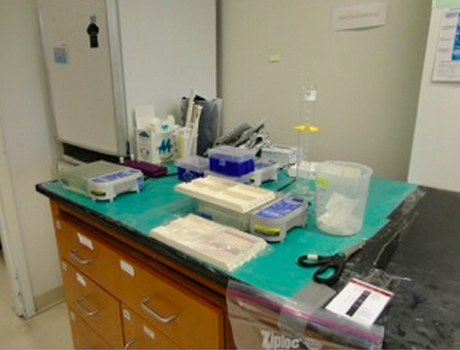
Experiment work in a biology lab.

What was the hardest or most frustrating part of working on the project?

Lab work is always the most frustrating because you’re dealing with microscopic parts – things easily go wrong and it’s difficult to debug, so we ended up repeating the experiments over and over to work through it.

 Are you continuing with  the competition this year?

I’m working for Caribou Biosciences in Berkeley, one of the companies that wanted to recruit us during the competition. They are developing tech similar to what we did, so I enjoy that.

It’s a good thing to get into bioengineering. People are trying to make  tech cheaper and easier so we can potentially do experiments in our garage – sort of like ‘biohacking’ or do-it-yourself-biology – and this still has a long way to go, but it’s really cool.

MikeZhu

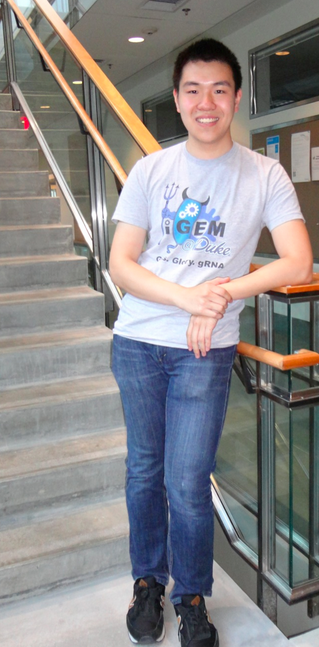
Mike Zhu, wearing the competition shirt.

Now that you’ve gone through the competition, what would you like to say to future students who are interested in applying their knowledge of BME  learned at Duke?

There are a lot of clubs at Duke that are project-based, but these are primarily in Electrical Engineering or Mechanical Engineering, so the iGEM competition is – as far as I know – the only project-based club for students more interested in biology. You get funding, lab space, and mentors with a team of undergraduates who can work on a project themselves. It’s pretty rare for both PIs [Principal Investigators] to give the undergrads free reign to work on what they want, especially compared to volunteering in a lab. You also get a chance to present your project and meet up with other people, and you’re exposed to topics most students get to experience only in senior year classes. Overall, the club is a great way to be introduced to cutting edge research, and it’s a good opportunity for freshman to find out what’s going on in BME.

Learn More about the Duke iGEM team and project

[1] More about MIT’s Biocomplier can be read at http://web.mit.edu/jakebeal/www/Talks/IBE12-BioCompiler-Feedback-abstract.txt.


Microbiome Researchers Find Common Ground

Guest Post from John Rawls Ph.D.,  associate professor of molecular genetics and microbiology

Illustration by Timothy Cook

Illustration by Timothy Cook

Recent advances in genomic technology have led to spectacular insights into the complexity and ubiquity of microbial communities (the microbiome) throughout our planet, including on and within the human body.

The microbiome is now known to contribute significantly to human health and disease, regulate global biogeochemistry, and harbor much of our planet’s genetic diversity.

On November 21, 2014, more than 200 scientists, clinicians, engineers, and students gathered in the Trent Semans Center at the Duke University Medical Center to learn about cutting-edge microbiome research in an interdisciplinary symposium entitled “The Human and Environmental Microbiome.”

Reflecting the interdisciplinary nature of this exciting field, symposium participants represented a broad range of basic and clinical science departments at Duke  and other institutions across North Carolina’s Research Triangle.

John RawlsThe symposium showcased microbiomes in a wide diversity of habitats, including the body surfaces of humans and other animals, plant roots, soil, dust, freshwater streams, coastal waters, and in vitro systems.

Despite the diversity of their experimental systems, participants shared many of the same experimental approaches and methodologies.  For instance, microbial genomic sequencing was highlighted as a tool for understanding the life cycle of the parasites that cause malaria, as well as for identifying useful genes in symbiotic bacteria residing in the intestine.

Several abstracts presented at the symposium highlighted innovative new genetic and genomic approaches to understanding how microbial communities assemble and function, which could be widely applicable to other microbiomes.

In addition to shared methodologies, participants also reported on shared themes emerging from analysis of different microbiomes.  For example, analysis of a marine environment in response to acute weather perturbation revealed many of the same ecological patterns observed in the human gut microbiome during a cholera outbreak.

The symposium was organized by the Duke Center for Genomics of Microbial Systems (GeMS), which was established in 2012 to provide an intellectual environment that brings together investigators across Duke University wishing to apply genomic approaches to study basic aspects of microbial biology.

To learn more about GeMS activities and resources, you can join their email list by requesting a subscription on the GeMS website (http://microbialgenomics.mgm.duke.edu/about-us/contact-us).

Passion, Modeling and Viruses are all Cool

Guest Post By Jaye Sudweeks, NC School of Science and Math

corona viruses

Corona viruses like SARS (CDC image)

Viruses are very cool.  Ashley Sobel taught me that.

Sobel is an MD/PHD student at Duke.  She currently works in the Koelle Research Group, a group that focuses on using mathematical models to understand the “ecological and evolutionary dynamics of infectious diseases.”

When I asked Ashley what in particular drew her to infectious diseases, she had a ready answer. “Infectious diseases are pretty awesome.  They have shaped more of human civilization than anything else. It’s very clear that the reason some wars came out the way they did isn’t because of good generals or good supply lines, but because of the viruses, pathogens and bacteria that people brought with them.”

Ashley Sobel is being groomed to be a physician-scientist.

Ashley Sobel is being groomed to be a physician-scientist.

Ashley’s interest in infectious diseases was piqued in high school, when the SARS virus hit. She recalls being intrigued that such a new phenomenon could have such a major impact.

It was this interest in SARS, along with participating in science Olympiad that drew Ashley to science. Ashley’s involvement in Science Olympiad began when the instructor found out that she was building her own cello out of a mannequin. “It’s name was Wilberta,” Ashley remembers fondly. “We gave it a coconut bra and a hula skirt.”

As a scientist, Ashley considers mathematics and modeling interesting tools to investigate infectious disease. “Modeling is basically taking key relationships that we know are true and putting them together in a mathematical context to see what we can learn about the underlying processes. You identify processes that you might not get by looking at the data.”

Ashley shared with me the process of building a model. The first thing to do when building a model, she explains, is to gain an understanding of the biology affecting the scenario. This should be followed by an examination of pre-existing models.

Next, it is important to make simplifications that allow your model to function, but don’t trivialize the subject matter. “There are a lot of standard assumptions,” she explains.

The time it takes to construct a model varies. Ashley has only recently completed a project that she started two years ago.  “It can take a long time to identify the mathematics that will give you the patterns that you see in nature.”

Jaye Sudweeks

Jaye Sudweeks

As a scientist, Ashley values the emphasis that the scientific community places on curiosity, a trait that she feels is looked down upon in other career fields. And, after just one conversation with Ashley, it is easy to see why she feels that way. Ashley is easily one of the most curious, passionate, and inspiring people I have ever had the privilege to meet.  In the span of our brief meeting, Ashley sat crossed legged in her spinning office chair and taught me a couple of very important things.

Passion is cool. Modeling is cool. Viruses are cool.

Is it Computer Science or Biology? A Bit of Both

Guest Post By Chichi Zhu, NC School of Science and Math

The National Evolutionary Synthesis Center (NESCent), is tucked away behind the supermarkets and youth-infested restaurants on Ninth Street in Durham. It’s a National Science Foundation brainchild with the purpose of consolidating data collected on small scales to help evolutionary biologists answer larger scale questions.

Allen Rodrigo

Allen Rodrigo directs NESCent and is a professor of biology at Duke

NESCent pursues a variety of missions, from answering these big ideas to connecting evolutionary science to linguistics and religious and cultural studies. Behind NESCent’s day-to-day function is evolutionary biologist Allen Rodrigo.

As a response to the question “so, what exactly is it that you do?” Rodrigo laughs. Here at NESCent, he oversees all of the programs, managing NSF grant money and keeping each part of the center on track with its mission. But NESCent is coming to the end of its funded run, and Dr. Rodrigo himself does far more than direct this innovative program.

Rodrigo is also a professor at Duke University and a computational evolutionary biologist. As a student, he was interested in three areas of study: mathematics, computer science, and biology. He continued pursuing all three tracks throughout his higher education, and allowed coincidence to launch him into his field today. The timing of his post-doc perfectly coincided with a late-1980s boom in technologic and scientific advances. With the invention of PCR and the subsequent increase in ability to study genetics, there came a demand for people with the skill and ability to conduct studies computationally, thus propelling Dr. Rodrigo into this growing field.

“There are many benefits to using computational methods,” Rodrigo said. “Suppose you want to compare two potential hypotheses on how a system might look, what patterns you might see. A computational biologist can help you with that.” He advocates for his area of study with a digestible list of its merits: “It helps experimentalists, it helps make inferences, and it helps make predictions about patterns.”

Today Rodrigo teaches classes at Duke, including courses on statistics for biologists and courses on computational science. He applies his passions for computational biology to his own research.

He is currently using computational study to track the evolution of traits of cancer related to their malignancy. “We start with a small set of cells and develop simulations that tell us how these cells change, grow, and divide,” Rodrigo said. “We can simulate how mutations accumulate, and can simulate, for a given collection of cells, what patterns of evolution you’d obtain.”

Chichi Zhu

Chichi Zhu

Working with oncologists from Duke, his job is to use these computational and mathematical methods to search for patterns that oncologists can then use to collect laboratory data. “To do this all in a lab would take quite a long time,” he said. “To apply computational biology is much more efficient.”

Engineer Wants to Get Antibiotics Right

microchambers

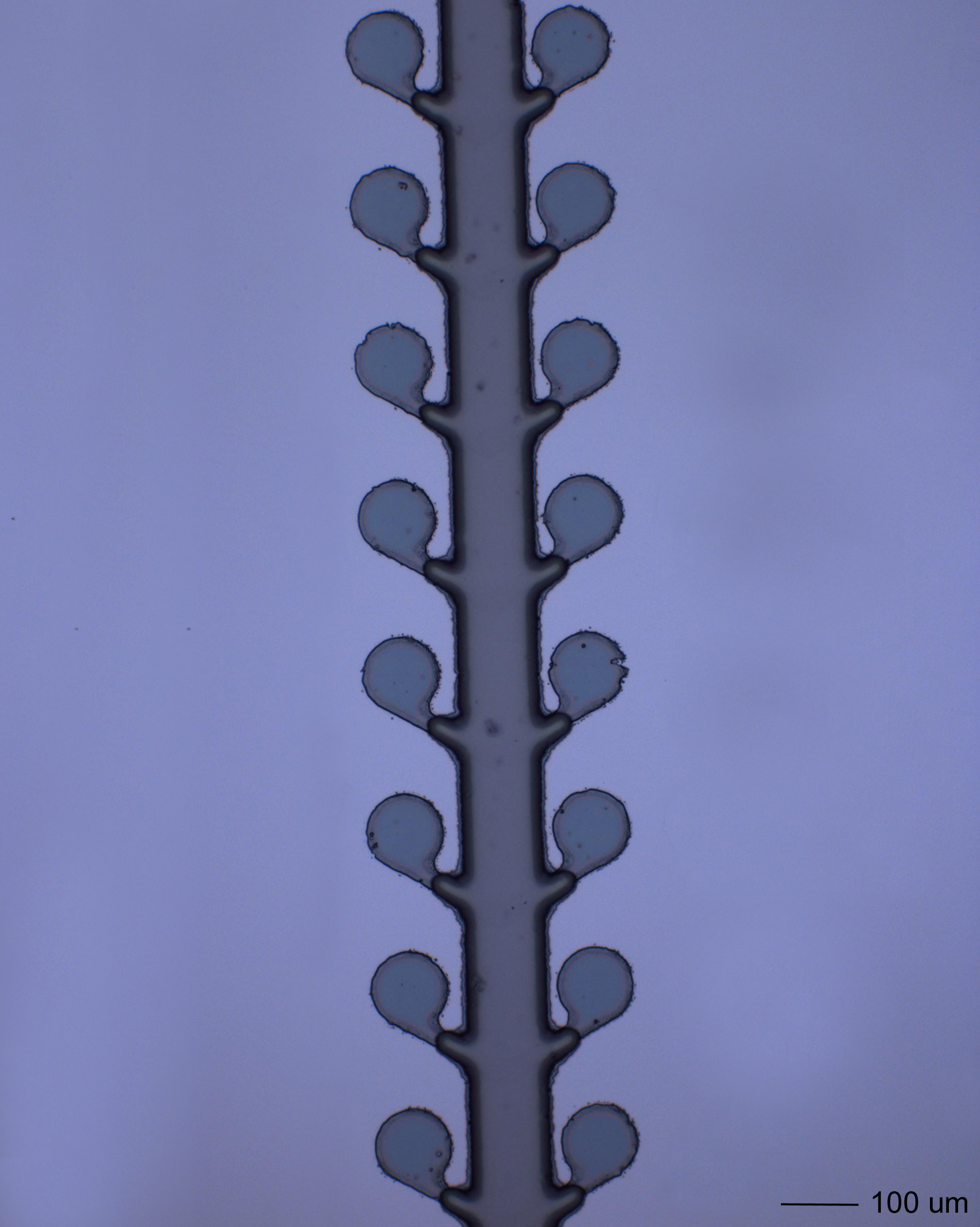
A multi-chambered, micro-scale channel built in the Lingchong You lab is used to observe bacterial responses to different antibiotic treatments and to understand how mixed populations of bacteria swap genes. These chambers are empty for clearer viewing. A single microfluidic chip would typically hold 12 of these channels, each with 40 chambers, allowing for high-throughput experimentation. (Photo courtesy of Hannah Meredith)

Guest Post by Grace Xiong, NC School of Science and Math

For those who study antibiotic resistance, a future where people die from infected cuts or the measles is not some horrible alternative universe but something that could very well be a reality soon. In 1998, the House of Lords in London gave a stark report proclaiming, “Antibiotic resistance threatens mankind with the prospect of a return to the pre-antibiotic era.” They were especially concerned with findings that indicated an increase in resistance to antibiotics that treated common but deadly diseases such as typhoid, dysentery and various strains of meningitis.

As hospitals use antibiotics at an unprecedented rate to treat patients, there has been an increase in the number of infections that are antibiotic-resistant. This leads to more patient deaths from infections that could have been treated with antibiotics 20 or 30 years ago.

Hannah Meredith

Hannah Meredith is a PhD candidate in biomedical engineering

Hannah Meredith, a graduate student in Lingchong You’s lab at Duke, has been studying the phenomenon of altruistic cell death in bacteria, which is when a bacterial cell will self destruct, breaking down the antibiotics they’re faced with as well. This process not only protects its fellow bacteria, it creates bacteria selectively chosen to be more resistant to the antibacterial due to the fact that the only bacteria left will be the ones resistant to the antibacterial.

When I asked her why she believed why studying this was so critical, she immediately responded that, “Optimizing antibiotic regimens is imperative so that treatment outcomes are positive and negative side effects are minimized. Although doctors and researchers recognize the need to optimize treatments, no one has come up with a standard method to design the best antibiotic regimen, given a particular antibiotic and specific infecting bacteria.”

Given that most pharmaceutical companies have stopped researching new antibiotics, the solution Hannah Meredith wants to use is to change the antibiotic dosage and the time the dosage is administered so that the maximum amount of bacteria can be killed while not using an extraordinarily large amount of antibiotics.

Grace Xiong

Grace Xiong

Using computer modeling, she is able to predict when a strain is most susceptible to an antibacterial and what percentage of bacteria can be killed with a certain amount of antibacterial. Ultimately she hopes to model common strains of infections (she has started using samples from the VA hospital) and create a data base that hospitals can use to more effectively treat their patients and in turn, reduce the amount of antibiotic resistance present in hospitals by getting it right the first time.

Disease Modeler Does Commentary Too

Guest Post by Tingzhu Teresa Meng, NC School of Science and Math

How do scientific research and social commentary relate?

The answer became clear during my conversation with Rotem Ben-Shachar, a PhD candidate in the Computational Biology and Bioinformatics program at Duke, who is interested in understanding the infectious disease dynamics of dengue fever. But she’s also pondering the reasons why female scientists are leaving prestigious career paths.

Rotem Ben-Shachar

Rotem Ben-Shachar is a PhD candidate in computational biology and bioinformatics.

Ben-Shachar, advised by Katia Koelle, is utilizing mathematical and statistical methods to research dengue, the most prevalent vector-bourne viral disease in the world. Dengue can be caused by any of the four serotype (related strains of viruses) transmitted by mosquitos. Early recognition of infection and subsequent treatment of dengue infection can significantly lower the risk of severe clinical outcomes. The mechanism of progression to severe dengue, however, are poorly understood.

Ben-Shachar’s dissertation focuses on how dengue causes severe disease. Prior to her research, there was no model of this means. Ben-Shachar has recently finished creating the first “simple target cell limited model” of the immune response trigger when the dengue virus infects the host cell. Her model is consistent with current knowledge of virological indicators that predict the onset of severe dengue. Now she wants to determine the model’s accuracy by statistically fitting it to recent serotype-specific viral load data from infected patients. Finally, she plans to investigate how dengue control strategies influence the evolution of virulent dengue virus such as dengue serotype 2 virus. Her work will offer crucial information about a virus that causes 390 million infections and 12,000 deaths annually (Source: WHO).

Ben-Shachar also examines the phenomenon termed “the leaky pipeline,” which refers to the continuous loss of women in STEM fields as they climb the career ladder. Ben-Shachar’s first experience of gender bias was during college when a male student declined to be her partner for an advanced mathematics project. Since then, she has become increasingly aware of gender discrimination and the confidence gap between male and female scientists. She began her focus on women in science during a writing workshop at Duke University’s Center for Documentary Studies.

Tingzhu Teresa Meng

Tingzhu Teresa Meng

In her recently published article in New Republic, “Women Don’t Stick with the Sciences. Here’s Why,” she details her interviews with female researchers at Duke and supports her interpretations with conclusions from previous studies. For instance, she explains that “the leaky pipeline” results from “a combination of social, cultural, and psychological factors” that all contribute to the confidence gap that “plagues female scientists.”

She believes that eliminating gender stereotypes can solve this problem. Ben-Shachar agrees that current efforts to engage girls in STEM are empowering girls and allowing them to view themselves as future scientists.

Thanks to our discussion, I have realized that scientific research and social commentary both strive to understand and solve major issues facing the world and both require skills such as careful observation, analysis and inquiry. Therefore, these seemingly unrelated interests have much in common.

Touring Duke's Biggest Laboratory

Sari Palmroth

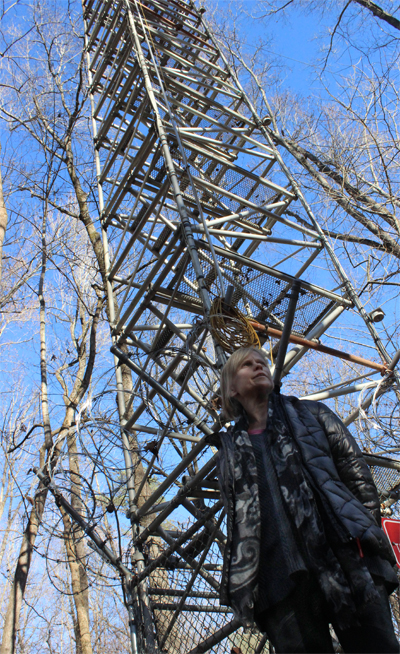
Sari Palmroth and the 130-foot research tower in the Blackwood Division of Duke Forest.

By Karl Leif Bates

You may think of Duke Forest as a nice place to run or walk your dog, but it’s actually the largest research laboratory on campus, and probably the oldest too.

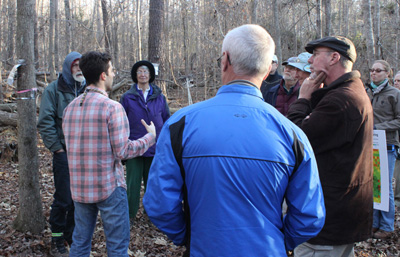
Last week, Duke Forest director Sara Childs and operations manager Jenna Schreiber took about a dozen interested stakeholders on a whirlwind tour to see three active research installations tucked away in areas of Duke Forest the public often doesn’t see.


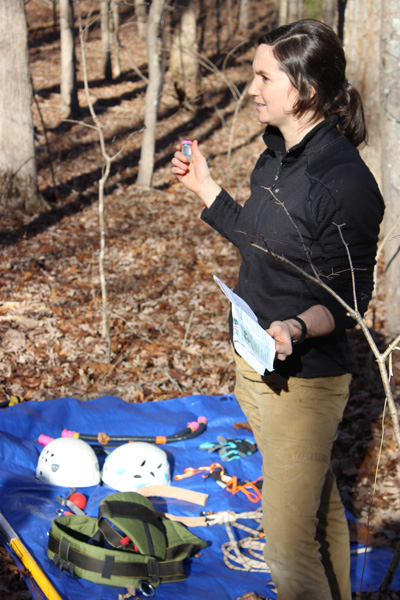
We had to hunt a little to find UNC Biology grad student Jes Coyle in the Korstian division off Whitfield Road, but at least she wasn’t 30 feet up in an oak tree like she usually is. Jes showed the group some of her cool climbing gear while explaining her work on figuring out which part of a lichen, the fungus or the algae, is more responsible for the lichen’s adaptation to microclimates.

She does this by climbing way the heck up into trees to affix little data loggers that track temperature and sunlight at various places on the trunk.

Coyle is looking at 67 lichen species in 54 sampling locations, which is a lot of climbing and a lot of little $50 loggers.

The whole time Jes was talking, we were eyeing her six-foot-tall slingshot and waiting for it to come into play.

Jes Coyle

UNC grad student Jes Coyle shows off her climbing gear.

Indeed it did, as she let three participants, including Sara Childs, have a go at shooting a ball on a fine string over a likely-looking branch to start a climbing rope. (None succeeded.)


Abundant data was the theme at our second stop too, where Sari Palmroth, an associate research professor in the Nicholas School of the Environment, explained how she measures how much water goes into and out of a tree.  Her installation is in the Blackwood Division off Eubanks Road, tucked behind the old FACE experiment.

Standing next to an imposing 130-foot scaffolding tower studded with active and abandoned instruments of all sorts, Palmroth said a square meter of Duke Forest exhales about 700 mm of rainfall a year, which is about half of what falls on it. “How do I know these numbers? Because it’s my job.”

In addition to being a lovely place to get away from the world and sway with the treetops, the tower measures CO2 levels at different heights throughout the canopy.

Sari Palmroth

Palmroth reveals where probes go into a tree trunk.

The tower also hosts a big white box stuffed with wires that capture data streaming in from sensors embedded in the tree trunks all around the tower.

Palmroth and her colleagues are seeing the trees breathe. During the day, when the tiny pores on the underside of their leaves – called stomata — are open and exhaling water and oxygen, roots in the top 40 centimeters of soil are pulling in more water. When the sun sets and the stomata close, then the tree’s deeper roots pull water up to the top level for tomorrow’s drinking.  Unless it doesn’t get cool at night and the stomata don’t completely close, which is the prediction for some climate change scenarios. What then?


Aaron Berdanier

Back in the vans and even deeper into the Blackwood division, we come upon an intrepid young man in a flannel shirt sitting in a sunny spot by the side of the two-track. He’s Aaron Berdanier, a doctoral candidate at Duke who is also looking at water use by taking  automated measurements of 75 trees every minute for four straight years.

His work is part of a larger research project established by Nicholas School professor Jim Clark 15 years ago. Every one of the 14,000 trees in this sloping 20-acre stand of the forest — from spindly saplings to giants —  is labeled and has its data regularly collected by a platoon of undergrads armed with computer tablets.

Other data flows automatically on webs of wiring leading to data loggers situated every few yards. Some of the trees wear a stainless steel collar with a spring that measures their circumference constantly and precisely. They change noticeably both seasonally and by the year, Berdanier says.

The forest is alive and its trees are breathing and pulsing. Berdanier likens his detailed measurement of water consumption to taking a human patient’s pulse. “We’re trying to determine winners and losers under future climate conditions.”

Duke Forest Q&A

Aaron handled a wide-ranging Q&A with the curious visitors as the sun set and the temperature fell.

Pain-Sensing Gene Named for Rocky

Guest Post By Sheena Faherty, graduate student in Biology

How do our neurons discriminate between a punch to the face or a kiss on the cheek? Between something potentially harmful, and something pleasant?

A new study published this week in Current Biology offers an answer by describing a previously uncharacterized gene required for pain sensing.

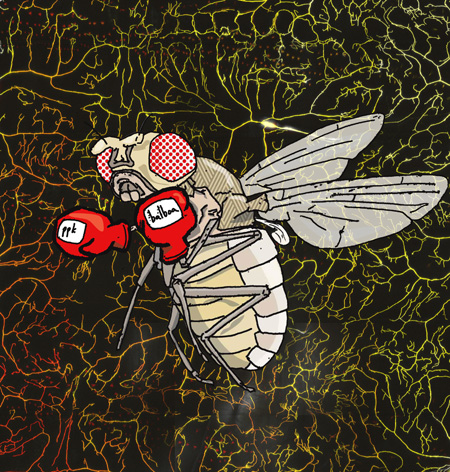
This work comes out of Dan Tracey’s lab at the Duke Institute for Brain Sciences. They named the gene balboa in honor of fictional prizefighter Rocky Balboa and his iconic immunity to pain.

Stallone as Rocky

Float like a drosophila, sting like a …oh, never mind.

The researchers found that the balboa gene is only active in pain-sensing neurons and is required for detection of painful touch responses. Without it, neurons can’t distinguish between something harmful and something pleasant.

Does the ultimate prize of naming of the gene inspire any boxing matches between lab mates?

“In the fly community, we are allowed to have these creative gene names, so discussions about the decision on naming are more fun than argumentative,” Tracey says.

Tracey’s lab is concerned with sensory neurobiology, the study of how neurons transform cues from the surrounding environment to signals that can be interpreted by the brain. Ultimately, the lab group hopes to identify the underlying molecular mechanisms that are involved in our sense of touch.

Pugilistic fly artwork designed by Jason Wu, a neurobiology graduate student in Jorg Grandl's lab

Pugilistic fly artwork designed by Jason Wu, a neurobiology graduate student in Jorg Grandl’s lab

“It’s unclear what happens during that moment of touch sensation when sensory neurons detect and convert a touch stimulus into a nerve impulse,” said graduate student Stephanie Mauthner, who is the lead author on the Rocky paper. “It’s also ambiguous how nerves are capable of discriminating the threshold of touch intensity.”

Although the fruit fly has a relatively simple central nervous system, Tracey’s group uses it as model because it has many of the same neural circuits that the human brain has.

“[Our goal was to figure out] what molecular components are required for pain neurons to detect harsh touch responses and what is the mechanism for performing this task,” Mauthner said.

Using fluorescent cells, their study also shows that balboa interacts with another protein of the same family named pickpocket. They’re hopeful that this gene duo can be a potential target for pain medications that could discriminate between different sites of pain throughout the body.

Pain relievers such as aspirin or ibuprofen work broadly throughout the whole body—with no discrimination to where the pain is actually occurring. But, by working towards the exact molecular mechanism of pain signaling, genes like balboa and pickpocket are potential candidates for more targeted therapeutics.

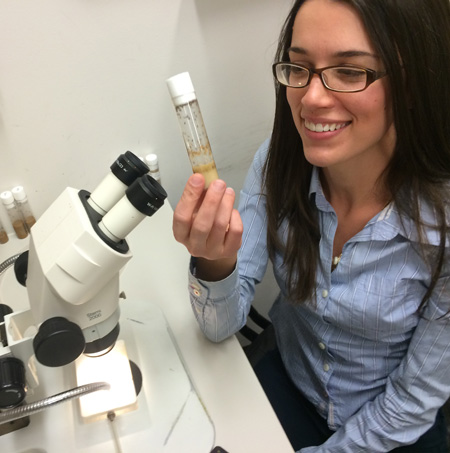
Grad student Stephanie Mauthner, hangs out with one of her many vials of flies (courtesy of Stephanie Mauthner)

Grad student Stephanie Mauthner hangs out with one of her many vials of flies (courtesy of Stephanie Mauthner)

CITATION: “Balboa Binds to Pickpocket In Vivo and Is Required for Mechanical Nociception in Drosophila Larvae,” Stephanie E. Mauthner, Richard Y. Hwang, Amanda H. Lewis, Qi Xiao, Asako Tsubouchi, Yu Wang, Ken Honjo, J.H. Pate Skene, Jörg Grandl, W. Daniel Tracey Jr. Current Biology, Dec. 15, 2014. DOI: http://dx.doi.org/10.1016/j.cub.2014.10.038

Page 22 of 32

Powered by WordPress & Theme by Anders Norén