Following the people and events that make up the research community at Duke

Students exploring the Innovation Co-Lab

Category: Guest Post Page 11 of 14

The Power of the Past

Guest Post by Eric Ferreri, Duke News & Communications

If you grow up in the working class, neither love nor money can trump your blue-collar roots, a Duke sociologist has found.

Her study of couples from different social classes suggests that those who “marry up” still make life decisions based on their upbringing.

Cover of Streib book

Sociologist Jessi Streib’s book “The Past” is about class structure in marriages.

“Your social class never goes away,” says Jessi Streib, an assistant professor of sociology whose findings are revealed in her new book: The Power of the Past: Understanding Cross-Class Marriages. “It stays with you in terms of how you live your life. The class you’re born into sticks with you and shapes you, even when you marry into more money and a far more financially secure life.”

Streib’s findings derive from interviews she conducted with white, heterosexual Midwestern couples. She interviewed 32 couples in which one spouse came from a working class background, the other from the middle class. For comparison, she also interviewed 10 couples in which both spouses grew up in the middle class.

Streib defines working class as people raised by parents with high school educations; the middle class subjects were raised by college-educated parents.

Her findings run contrary to the notion held by many scholars that strivers can outrun a difficult childhood by getting a college degree and good-paying middle-class job.

While the findings suggest that a middle class upbringing isn’t required to excel in the American workplace, those upwardly mobile people from working class roots may still miss out on opportunities if they can’t or don’t subscribe to the unspoken norms of middle class culture, Streib notes.

Streib found that couples from different classes held onto their own, firmly-rooted beliefs regarding money and parenting, often negotiating fervently with each other over the proper amount of career planning and nurturing of children. Should children be left to grow and discover on their own, or should goals and schedules be set for them?

“Those are the sorts of tiny battles cross-class couples have all the time,” Streib said. “These are not insurmountable obstacles, but they are certainly common and consistent.”

Synergizing Partnerships of the Heart

Guest post by Dharshini Subbiah

With diseases like heart disease, high blood pressure and diabetes on the rise in Asia and throughout the world, six Duke University faculty made the trip to Singapore last week to be a part of the symposium, “Synergizing Biomedical Research in Cardiovascular and Metabolic Disorders.”

The symposium featured experts presenting their research related to the clustering of metabolic syndrome, diabetes, hypertension, hyperlipidemia and cardiovascular disease — a global epidemic that is emerging as a major cause of mortality and human suffering in Asia.

A major objective of the meeting was to develop productive partnerships and collaborations to enhance research in the field. The Duke faculty were joined by colleagues from the Duke-National University of Singapore Graduate Medical School (Duke-NUS), SingHealth, A*Star, the National University of Singapore, the National University Health System, and the NTU Lee Kong Chian School of Medicine.

“I dare say it would be difficult to go anywhere in the world and find a scientific program with the breadth and quality of what we’ve heard during this Symposium. After reflecting on the various presentations and what people are doing, I believe there are many potential areas where we can work together productively,” declared Duke-NUS Dean-designate Tom Coffman.

Professor Coffman, who for many years was the Chief of Nephrology at Duke University, was both optimistic and clear about his expectations, “I think it’s on us, to take advantage of the opportunities to bring together Duke and Singapore in order to harness our resources, talents and energy to do some great things. We can have a real impact in this area and improve what happens to our patients.”

The Symposium was held on January 19-20 and was the first in a series of activities marking the tenth year of Duke-NUS.


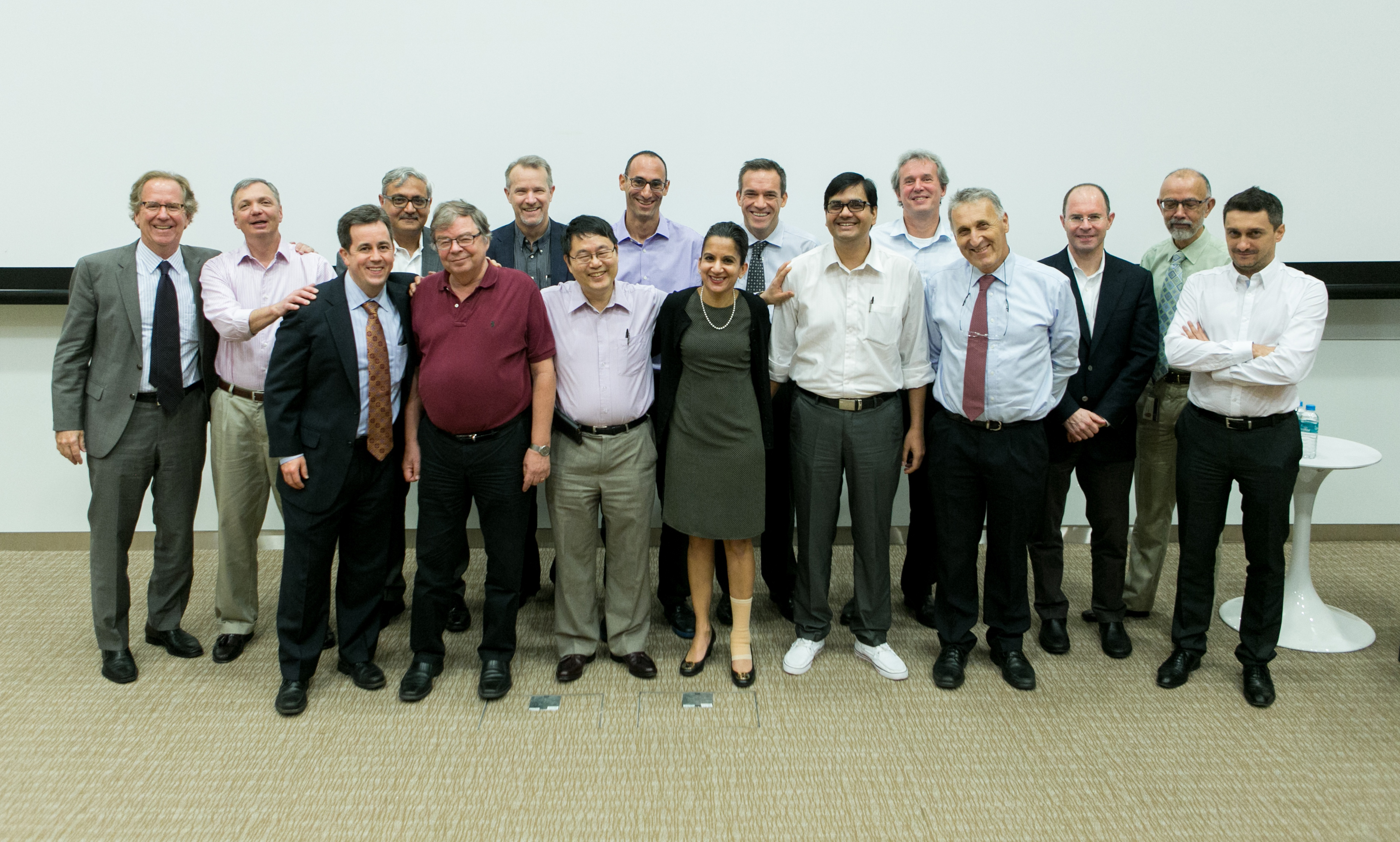
Working in concert for the future of medicine are researchers from Duke-NUS, SingHealth, A*Star, the National University of Singapore, the National University Health System, and the NTU Lee Kong Chian School of Medicine. Shown on the extreme left is Thomas Coffman, M.D., Director of the Cardiovascular Research Center at Duke Medicine.

Working in concert for the future of medicine are researchers from Duke-NUS, SingHealth, A*Star, the National University of Singapore, the National University Health System, and the NTU Lee Kong Chian School of Medicine. Shown on the extreme left is Thomas Coffman, M.D., Director of the Cardiovascular Research Center at Duke Medicine.

Microbiome Researchers Find Common Ground

Guest Post from John Rawls Ph.D.,  associate professor of molecular genetics and microbiology

Illustration by Timothy Cook

Illustration by Timothy Cook

Recent advances in genomic technology have led to spectacular insights into the complexity and ubiquity of microbial communities (the microbiome) throughout our planet, including on and within the human body.

The microbiome is now known to contribute significantly to human health and disease, regulate global biogeochemistry, and harbor much of our planet’s genetic diversity.

On November 21, 2014, more than 200 scientists, clinicians, engineers, and students gathered in the Trent Semans Center at the Duke University Medical Center to learn about cutting-edge microbiome research in an interdisciplinary symposium entitled “The Human and Environmental Microbiome.”

Reflecting the interdisciplinary nature of this exciting field, symposium participants represented a broad range of basic and clinical science departments at Duke  and other institutions across North Carolina’s Research Triangle.

John RawlsThe symposium showcased microbiomes in a wide diversity of habitats, including the body surfaces of humans and other animals, plant roots, soil, dust, freshwater streams, coastal waters, and in vitro systems.

Despite the diversity of their experimental systems, participants shared many of the same experimental approaches and methodologies.  For instance, microbial genomic sequencing was highlighted as a tool for understanding the life cycle of the parasites that cause malaria, as well as for identifying useful genes in symbiotic bacteria residing in the intestine.

Several abstracts presented at the symposium highlighted innovative new genetic and genomic approaches to understanding how microbial communities assemble and function, which could be widely applicable to other microbiomes.

In addition to shared methodologies, participants also reported on shared themes emerging from analysis of different microbiomes.  For example, analysis of a marine environment in response to acute weather perturbation revealed many of the same ecological patterns observed in the human gut microbiome during a cholera outbreak.

The symposium was organized by the Duke Center for Genomics of Microbial Systems (GeMS), which was established in 2012 to provide an intellectual environment that brings together investigators across Duke University wishing to apply genomic approaches to study basic aspects of microbial biology.

To learn more about GeMS activities and resources, you can join their email list by requesting a subscription on the GeMS website (http://microbialgenomics.mgm.duke.edu/about-us/contact-us).

Multidimensional Student Maps Multidimensional Data

Grad Student Chris Trailie is a very three-dimensional person.

Grad Student Chris Tralie is a multi-dimensional person.

Guest post by Aravind Ezhilarasan, NC School of Science and Math

As I walked up to Gross Hall at Duke University, I felt nervous with butterflies in my stomach and honored to be able to interview Chris Tralie, a  mathematician, computer scientist, musician, and music enthusiast. My hands were getting clammy, I was starting to have second thoughts about doing the interview, and I was shivering, not because of the chilly winter weather, but rather due to the contradicting feeling of giddy, childish excitement that was racing through me.

I had looked into his research, but had trouble making sense of it and was extremely puzzled as to how someone went from computer science to electrical engineering to mathematics.

With all this on my mind, I walked up the steps of Gross Hall.

Tralie, a doctoral candidate in Duke’s Electrical and Computer Engineering department, met me at the front door and led me up to a conference room where I asked him my first question: “Could you explain your research to me, a high school senior?” He hesitated a second, then jumped into the best lecture of my life.

Chris Tralie

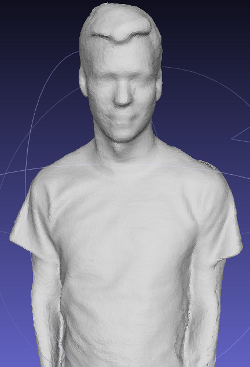
Chris Tralie in the visible spectrum.

Tralie is currently working on the use of a simple geometric concept, loops, to identify and label songs by genre. He explained that he takes a song and tracks the loops in the song: intro, verse, chorus, then back to the verse (one loop), then back to the chorus, then back to the verse (two loops), etc.

He then takes the raw data he gets and turn it into a diagram. He explained that he maps the raw data out in a multidimensional environment, which has twelve dimensions to represent each note in a scale and more than forty other dimensions to represent different instrumentation in a song. It is impossible to visualize any object that has more dimensions than the three that we are acclimated to so Tralie then translates this multidimensional curve into three dimensions. You can check out the final product of this process for any song on his website, loopditty.net .

At this point of our exchange, my mind was well past blown.

Noticing my shocked, surprised, and ecstatic expression, he chuckled. I explained to him that I love what he is doing with this simple concept, but am still lost as to how one translates a multidimensional or high dimensional object into something three dimensional and perceivable. He then stepped back and explained this amazing process.

According to Tralie, when a light is far enough from an object, its rays are so close to being parallel that they are just taken to be parallel. When you shine this far-off light on a three-dimensional object, you get an analyzable two- dimensional object. In this same way, Tralie plays the role of the light for each extra dimension in his high dimensional models so he can simplify it down to a analyzable three dimensional object.

I asked him about his life and what made him switch from electrical engineering to computer science to a combination of computer science and mathematics. He then flashed back to his time as a kid. He explained that his goal in life as a young boy was to make video games. He always wanted to be the man behind the countless hours of entertainment he enjoyed. To reach this goal, he went into computer science and slowly realized electrical engineering was also a big player in reaching this goal. Through these experiences he went from computer science to electrical engineering. From there he went to a couple of transitional projects and eventually ended up at Duke University where he took on his long-lost hobby of mathematics and with the inspiration from his music appreciation days in his college eating club, he took on the genre labeling project.

Aravind Ezhilarasan

Aravind Ezhilarasan

Finally, I asked him where he wanted his brainchild to be in the next three to five years. He explained that his genre labeling project is only the first step. He plans to take the looping concept that drives the project and apply it to many other scenarios. The point of his genre labeling project is to help him fully understand this concept and to work out all the possible problems that can occur. Eventually, he plans on using it in situations like security where instead of tracking loops in songs, it will track loops in security footage (someone walking on and then off the screen would be one loop).

As I left that building and made the trip back to the North Carolina School of Science and Mathematics, I felt content. I had walked into that building anxiously, feeling small and wondering what my interviewee would think of me when he realized I knew very little about his research and how someone switched between so many fields of science.

I walked out feeling well informed, understanding the transition in one’s thoughts and interests throughout the path of life, and with a new friend.

Passion, Modeling and Viruses are all Cool

Guest Post By Jaye Sudweeks, NC School of Science and Math

corona viruses

Corona viruses like SARS (CDC image)

Viruses are very cool.  Ashley Sobel taught me that.

Sobel is an MD/PHD student at Duke.  She currently works in the Koelle Research Group, a group that focuses on using mathematical models to understand the “ecological and evolutionary dynamics of infectious diseases.”

When I asked Ashley what in particular drew her to infectious diseases, she had a ready answer. “Infectious diseases are pretty awesome.  They have shaped more of human civilization than anything else. It’s very clear that the reason some wars came out the way they did isn’t because of good generals or good supply lines, but because of the viruses, pathogens and bacteria that people brought with them.”

Ashley Sobel is being groomed to be a physician-scientist.

Ashley Sobel is being groomed to be a physician-scientist.

Ashley’s interest in infectious diseases was piqued in high school, when the SARS virus hit. She recalls being intrigued that such a new phenomenon could have such a major impact.

It was this interest in SARS, along with participating in science Olympiad that drew Ashley to science. Ashley’s involvement in Science Olympiad began when the instructor found out that she was building her own cello out of a mannequin. “It’s name was Wilberta,” Ashley remembers fondly. “We gave it a coconut bra and a hula skirt.”

As a scientist, Ashley considers mathematics and modeling interesting tools to investigate infectious disease. “Modeling is basically taking key relationships that we know are true and putting them together in a mathematical context to see what we can learn about the underlying processes. You identify processes that you might not get by looking at the data.”

Ashley shared with me the process of building a model. The first thing to do when building a model, she explains, is to gain an understanding of the biology affecting the scenario. This should be followed by an examination of pre-existing models.

Next, it is important to make simplifications that allow your model to function, but don’t trivialize the subject matter. “There are a lot of standard assumptions,” she explains.

The time it takes to construct a model varies. Ashley has only recently completed a project that she started two years ago.  “It can take a long time to identify the mathematics that will give you the patterns that you see in nature.”

Jaye Sudweeks

Jaye Sudweeks

As a scientist, Ashley values the emphasis that the scientific community places on curiosity, a trait that she feels is looked down upon in other career fields. And, after just one conversation with Ashley, it is easy to see why she feels that way. Ashley is easily one of the most curious, passionate, and inspiring people I have ever had the privilege to meet.  In the span of our brief meeting, Ashley sat crossed legged in her spinning office chair and taught me a couple of very important things.

Passion is cool. Modeling is cool. Viruses are cool.

Is it Computer Science or Biology? A Bit of Both

Guest Post By Chichi Zhu, NC School of Science and Math

The National Evolutionary Synthesis Center (NESCent), is tucked away behind the supermarkets and youth-infested restaurants on Ninth Street in Durham. It’s a National Science Foundation brainchild with the purpose of consolidating data collected on small scales to help evolutionary biologists answer larger scale questions.

Allen Rodrigo

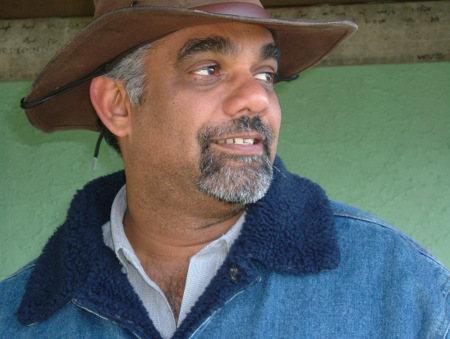
Allen Rodrigo directs NESCent and is a professor of biology at Duke

NESCent pursues a variety of missions, from answering these big ideas to connecting evolutionary science to linguistics and religious and cultural studies. Behind NESCent’s day-to-day function is evolutionary biologist Allen Rodrigo.

As a response to the question “so, what exactly is it that you do?” Rodrigo laughs. Here at NESCent, he oversees all of the programs, managing NSF grant money and keeping each part of the center on track with its mission. But NESCent is coming to the end of its funded run, and Dr. Rodrigo himself does far more than direct this innovative program.

Rodrigo is also a professor at Duke University and a computational evolutionary biologist. As a student, he was interested in three areas of study: mathematics, computer science, and biology. He continued pursuing all three tracks throughout his higher education, and allowed coincidence to launch him into his field today. The timing of his post-doc perfectly coincided with a late-1980s boom in technologic and scientific advances. With the invention of PCR and the subsequent increase in ability to study genetics, there came a demand for people with the skill and ability to conduct studies computationally, thus propelling Dr. Rodrigo into this growing field.

“There are many benefits to using computational methods,” Rodrigo said. “Suppose you want to compare two potential hypotheses on how a system might look, what patterns you might see. A computational biologist can help you with that.” He advocates for his area of study with a digestible list of its merits: “It helps experimentalists, it helps make inferences, and it helps make predictions about patterns.”

Today Rodrigo teaches classes at Duke, including courses on statistics for biologists and courses on computational science. He applies his passions for computational biology to his own research.

He is currently using computational study to track the evolution of traits of cancer related to their malignancy. “We start with a small set of cells and develop simulations that tell us how these cells change, grow, and divide,” Rodrigo said. “We can simulate how mutations accumulate, and can simulate, for a given collection of cells, what patterns of evolution you’d obtain.”

Chichi Zhu

Chichi Zhu

Working with oncologists from Duke, his job is to use these computational and mathematical methods to search for patterns that oncologists can then use to collect laboratory data. “To do this all in a lab would take quite a long time,” he said. “To apply computational biology is much more efficient.”

Engineer Wants to Get Antibiotics Right

microchambers

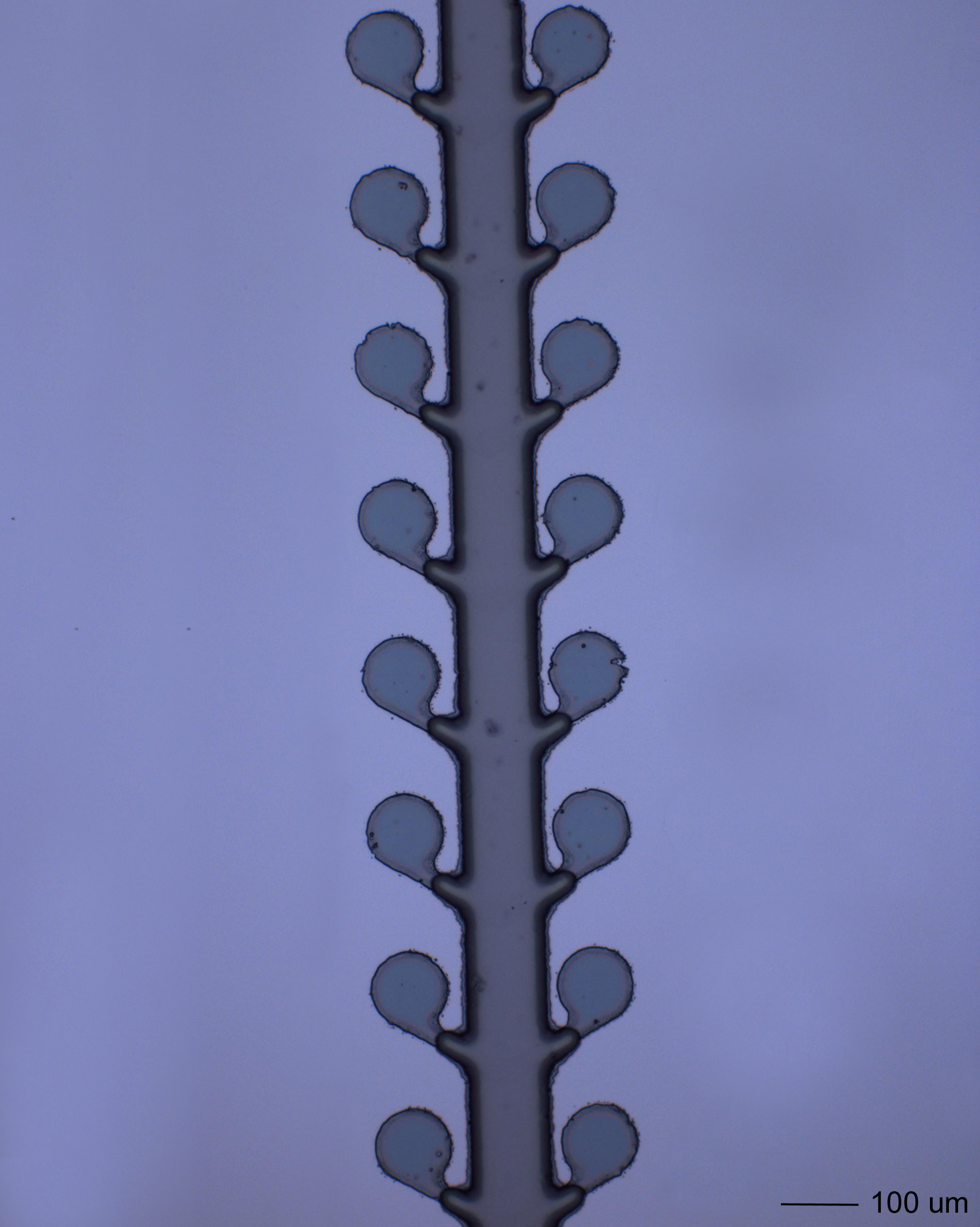
A multi-chambered, micro-scale channel built in the Lingchong You lab is used to observe bacterial responses to different antibiotic treatments and to understand how mixed populations of bacteria swap genes. These chambers are empty for clearer viewing. A single microfluidic chip would typically hold 12 of these channels, each with 40 chambers, allowing for high-throughput experimentation. (Photo courtesy of Hannah Meredith)

Guest Post by Grace Xiong, NC School of Science and Math

For those who study antibiotic resistance, a future where people die from infected cuts or the measles is not some horrible alternative universe but something that could very well be a reality soon. In 1998, the House of Lords in London gave a stark report proclaiming, “Antibiotic resistance threatens mankind with the prospect of a return to the pre-antibiotic era.” They were especially concerned with findings that indicated an increase in resistance to antibiotics that treated common but deadly diseases such as typhoid, dysentery and various strains of meningitis.

As hospitals use antibiotics at an unprecedented rate to treat patients, there has been an increase in the number of infections that are antibiotic-resistant. This leads to more patient deaths from infections that could have been treated with antibiotics 20 or 30 years ago.

Hannah Meredith

Hannah Meredith is a PhD candidate in biomedical engineering

Hannah Meredith, a graduate student in Lingchong You’s lab at Duke, has been studying the phenomenon of altruistic cell death in bacteria, which is when a bacterial cell will self destruct, breaking down the antibiotics they’re faced with as well. This process not only protects its fellow bacteria, it creates bacteria selectively chosen to be more resistant to the antibacterial due to the fact that the only bacteria left will be the ones resistant to the antibacterial.

When I asked her why she believed why studying this was so critical, she immediately responded that, “Optimizing antibiotic regimens is imperative so that treatment outcomes are positive and negative side effects are minimized. Although doctors and researchers recognize the need to optimize treatments, no one has come up with a standard method to design the best antibiotic regimen, given a particular antibiotic and specific infecting bacteria.”

Given that most pharmaceutical companies have stopped researching new antibiotics, the solution Hannah Meredith wants to use is to change the antibiotic dosage and the time the dosage is administered so that the maximum amount of bacteria can be killed while not using an extraordinarily large amount of antibiotics.

Grace Xiong

Grace Xiong

Using computer modeling, she is able to predict when a strain is most susceptible to an antibacterial and what percentage of bacteria can be killed with a certain amount of antibacterial. Ultimately she hopes to model common strains of infections (she has started using samples from the VA hospital) and create a data base that hospitals can use to more effectively treat their patients and in turn, reduce the amount of antibiotic resistance present in hospitals by getting it right the first time.

Disease Modeler Does Commentary Too

Guest Post by Tingzhu Teresa Meng, NC School of Science and Math

How do scientific research and social commentary relate?

The answer became clear during my conversation with Rotem Ben-Shachar, a PhD candidate in the Computational Biology and Bioinformatics program at Duke, who is interested in understanding the infectious disease dynamics of dengue fever. But she’s also pondering the reasons why female scientists are leaving prestigious career paths.

Rotem Ben-Shachar

Rotem Ben-Shachar is a PhD candidate in computational biology and bioinformatics.

Ben-Shachar, advised by Katia Koelle, is utilizing mathematical and statistical methods to research dengue, the most prevalent vector-bourne viral disease in the world. Dengue can be caused by any of the four serotype (related strains of viruses) transmitted by mosquitos. Early recognition of infection and subsequent treatment of dengue infection can significantly lower the risk of severe clinical outcomes. The mechanism of progression to severe dengue, however, are poorly understood.

Ben-Shachar’s dissertation focuses on how dengue causes severe disease. Prior to her research, there was no model of this means. Ben-Shachar has recently finished creating the first “simple target cell limited model” of the immune response trigger when the dengue virus infects the host cell. Her model is consistent with current knowledge of virological indicators that predict the onset of severe dengue. Now she wants to determine the model’s accuracy by statistically fitting it to recent serotype-specific viral load data from infected patients. Finally, she plans to investigate how dengue control strategies influence the evolution of virulent dengue virus such as dengue serotype 2 virus. Her work will offer crucial information about a virus that causes 390 million infections and 12,000 deaths annually (Source: WHO).

Ben-Shachar also examines the phenomenon termed “the leaky pipeline,” which refers to the continuous loss of women in STEM fields as they climb the career ladder. Ben-Shachar’s first experience of gender bias was during college when a male student declined to be her partner for an advanced mathematics project. Since then, she has become increasingly aware of gender discrimination and the confidence gap between male and female scientists. She began her focus on women in science during a writing workshop at Duke University’s Center for Documentary Studies.

Tingzhu Teresa Meng

Tingzhu Teresa Meng

In her recently published article in New Republic, “Women Don’t Stick with the Sciences. Here’s Why,” she details her interviews with female researchers at Duke and supports her interpretations with conclusions from previous studies. For instance, she explains that “the leaky pipeline” results from “a combination of social, cultural, and psychological factors” that all contribute to the confidence gap that “plagues female scientists.”

She believes that eliminating gender stereotypes can solve this problem. Ben-Shachar agrees that current efforts to engage girls in STEM are empowering girls and allowing them to view themselves as future scientists.

Thanks to our discussion, I have realized that scientific research and social commentary both strive to understand and solve major issues facing the world and both require skills such as careful observation, analysis and inquiry. Therefore, these seemingly unrelated interests have much in common.

Pain-Sensing Gene Named for Rocky

Guest Post By Sheena Faherty, graduate student in Biology

How do our neurons discriminate between a punch to the face or a kiss on the cheek? Between something potentially harmful, and something pleasant?

A new study published this week in Current Biology offers an answer by describing a previously uncharacterized gene required for pain sensing.

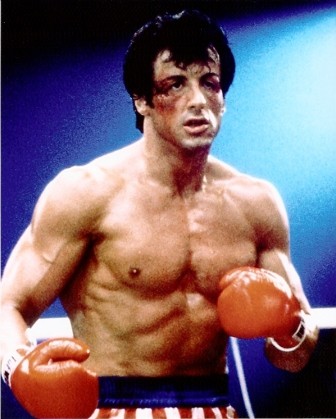
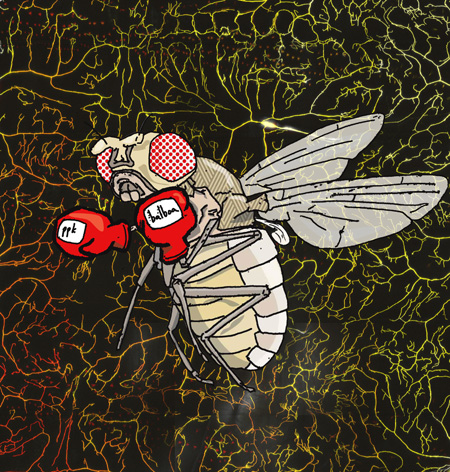
This work comes out of Dan Tracey’s lab at the Duke Institute for Brain Sciences. They named the gene balboa in honor of fictional prizefighter Rocky Balboa and his iconic immunity to pain.

Stallone as Rocky

Float like a drosophila, sting like a …oh, never mind.

The researchers found that the balboa gene is only active in pain-sensing neurons and is required for detection of painful touch responses. Without it, neurons can’t distinguish between something harmful and something pleasant.

Does the ultimate prize of naming of the gene inspire any boxing matches between lab mates?

“In the fly community, we are allowed to have these creative gene names, so discussions about the decision on naming are more fun than argumentative,” Tracey says.

Tracey’s lab is concerned with sensory neurobiology, the study of how neurons transform cues from the surrounding environment to signals that can be interpreted by the brain. Ultimately, the lab group hopes to identify the underlying molecular mechanisms that are involved in our sense of touch.

Pugilistic fly artwork designed by Jason Wu, a neurobiology graduate student in Jorg Grandl's lab

Pugilistic fly artwork designed by Jason Wu, a neurobiology graduate student in Jorg Grandl’s lab

“It’s unclear what happens during that moment of touch sensation when sensory neurons detect and convert a touch stimulus into a nerve impulse,” said graduate student Stephanie Mauthner, who is the lead author on the Rocky paper. “It’s also ambiguous how nerves are capable of discriminating the threshold of touch intensity.”

Although the fruit fly has a relatively simple central nervous system, Tracey’s group uses it as model because it has many of the same neural circuits that the human brain has.

“[Our goal was to figure out] what molecular components are required for pain neurons to detect harsh touch responses and what is the mechanism for performing this task,” Mauthner said.

Using fluorescent cells, their study also shows that balboa interacts with another protein of the same family named pickpocket. They’re hopeful that this gene duo can be a potential target for pain medications that could discriminate between different sites of pain throughout the body.

Pain relievers such as aspirin or ibuprofen work broadly throughout the whole body—with no discrimination to where the pain is actually occurring. But, by working towards the exact molecular mechanism of pain signaling, genes like balboa and pickpocket are potential candidates for more targeted therapeutics.

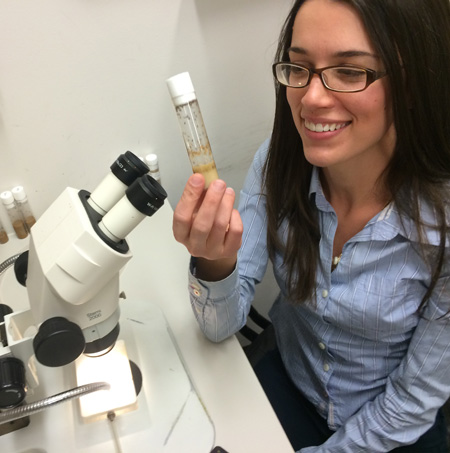
Grad student Stephanie Mauthner, hangs out with one of her many vials of flies (courtesy of Stephanie Mauthner)

Grad student Stephanie Mauthner hangs out with one of her many vials of flies (courtesy of Stephanie Mauthner)

CITATION: “Balboa Binds to Pickpocket In Vivo and Is Required for Mechanical Nociception in Drosophila Larvae,” Stephanie E. Mauthner, Richard Y. Hwang, Amanda H. Lewis, Qi Xiao, Asako Tsubouchi, Yu Wang, Ken Honjo, J.H. Pate Skene, Jörg Grandl, W. Daniel Tracey Jr. Current Biology, Dec. 15, 2014. DOI: http://dx.doi.org/10.1016/j.cub.2014.10.038

Why Airport Scanners Catch the Water Bottle but Miss the Dynamite

Guest post by Caroline Drucker

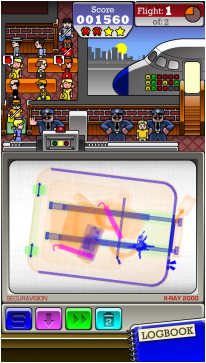
A screenshot of the Airport Scanner game, with a suitcase containing two dynamite sticks. Courtesy of the Mitroff Lab and the Kedlin Company.

A screenshot of the Airport Scanner game, with a suitcase containing two dynamite sticks. Courtesy of the Mitroff Lab and the Kedlin Company.

You’re at the airport waiting to pass through security and board your flight. The security agent stops the person in line ahead of you: there was a full water bottle in his carry-on bag. He throws out the bottle and proceeds through the airport. Later that evening, you see that person’s face on the news, for having pulled out dynamite on their flight. Why did the TSA agent overlook the dynamite?

A team of researchers at Duke led by Dr. Stephen Mitroff is using a cell phone game to provide answers to this and other questions about airport baggage screenings. Last year, they reported that luggage screeners are likely to miss extremely rare illegal items. In a new study which will appear in the Journal of Experimental Psychology: Human Perception and Performance, Dr. Mitroff’s team once again leverages the power of big data to address a different issue: what happens when a carry-on suitcase contains multiple illicit items?

Baggage screening is an example of what cognitive scientists refer to as visual search: attempting to locate a target among a crowded visual display. Many laboratory studies have demonstrated that when more than one target is present in the display, people are less likely to find additional targets once they have spotted a first target. One possible reason for this “subsequent search misses” phenomenon is that people become biased toward searching for targets that match the first target. That is, a baggage screener who finds a water bottle might enter “water bottle” mode and be unprepared to see dynamite. This theory is most likely to hold in situations with large and unpredictable sets of targets – which is precisely why it has been difficult to test in the lab, where the relatively small amount of trials that subjects can perform has limited the possible target numbers and frequencies.

A smartphone game called Airport Scanner circumvents this problem. In the game, players act as TSA agents and view X-ray images of carry-on luggage, earning points for correctly tapping illegal items. More than 200 possible illegal items can appear, and each bag can contain between zero and three illegal items among up to twenty legal items. The game is available as a free download from the Kedlin Company, who share the data with the Mitroff lab. They have now collected close to two billion trials (bags searched) from over seven million people, which would take centuries to collect in the lab.

Using these data, Dr. Mitroff and his colleagues were able to make an important discovery about subsequent search misses. When two identical targets are present in a bag, it is more likely that both will be found than when two different targets are present. In other words, if someone first spots a water bottle, it is more likely that they will also find a second item if it is a water bottle than if it is dynamite.

This result supports the theory that finding a visual target biases a person’s perceptions. We become better prepared to find another instance of the same item, rather than a different item. According to Dr. Mitroff, “Knowing this fact can help create search environments and standard operating procedures to overcome this priming effect.”

Page 11 of 14

Powered by WordPress & Theme by Anders Norén