Following the people and events that make up the research community at Duke

Students exploring the Innovation Co-Lab

Author: sa160@duke.edu Page 3 of 4

Physicians and Patients Make Best Decisions Together

By Nonie Arora

Imagine yourself in this patient’s situation. You have just found out you have cancer, and the next phrase out of your doctor’s mouth is “You’re going to die with this cancer rather than of this cancer.” Which word do you think will jump out of that sentence? “With”? “Of”?

My money is on “die.” – Modified from Critical Decisions, pg. 99

Critical Decisions, Courtesy of www.peterubel.com

In Critical Decisions, Peter Ubel describes a common situation of a urologist explaining a prostate cancer diagnosis to a patient. In this exam room, the physician and the patient are on two different wavelengths. The doctor is trying to assuage the fears of the patient but is emphasizing technical details about the patient’s condition without first relating to the patient’s emotional shock from hearing a cancer diagnosis. Ubel suggests even a small acknowledgement of the patient’s emotional state could improve the situation. For instance, saying “I know it feels awful to be told you have cancer, but you should know that your cancer is curable. We can treat this.” (Critical Decisions, pg. 100)

Ubel, a Professor of Business Administration and Medicine as well as Public Policy, recently published Critical Decisions: How You and Your Doctor Can Make the Right Medical Choices Together. In the book, he explores how the rise in patient empowerment has left many patients confused and physicians unprepared to appropriately partner with patients in making medical decisions.

“My background in clinical medicine, ethics, and behavioral sciences collided. That led me to an in-depth investigation of patient preferences in medical care,” says Ubel. While his ethics background left him sure that patients have the right to ultimately decide their own medical care, he wanted to use his understanding of behavioral economics to uncover how physicians can best help patients make the decisions.

Peter Ubel, Professor of Business Administration and Medicine and of Public Policy. Courtesy of Duke Today.

Ubel also comments on how some emotional desensitization is essential to practicing medicine, and how desensitization can involve medical humor. He says that sometimes physicians “need to step back and laugh at situations, but the danger is we don’t want to laugh at patients.”  He suggested a way to combat the negative aspects of desensitization is to discuss ethical issues during the 3rd year of medical education, when future physicians are being exposed to the realities of medicine through hospital rounds.

He says the bigger worry is that aspiring doctors start off with the right attitude, but beliefs and practices erode through training and practice as physicians. In the current medical system, physicians have many patients and very little time, so doctors can get into bad habits. However, he says that good communication doesn’t take more time – it just takes retaining the right skills. Ubel advocates for physicians to ask patients to explain back what they have understood to get a better idea of patient understanding.

One of Ubel’s next big challenges is studying how cost factors into patient empowerment. Discussions about cost can seem taboo or uncomfortable in the exam room, but costs certainly factor into many health care decisions.

The strength of Critical Decisions is Ubel’s multidimensional perspective: he presents facts from research studies in several disciplines and compellingly (even humorously) draws upon his experiences as a physician, patient, and family member of a patient.

Here’s a link to an excerpt from the book for more!

SNCURCS "Snickers" Conference Brings NC Undergrads Together

By Nonie Arora

Duke student Katie Shpanskaya is excited about how education can change our brains.  She had the chance to share her work with other students in a poster session at the State of North Carolina Undergraduate Research and Creativity Symposium (SNCURCS).

Hundreds of undergraduates from several North Carolina universities came together to talk about research at SNCURCS (pronounced like Snickers, the candy bar) hosted by Duke University on November 17th.

In the lab of Dr. P. Murali Doraiswamy, Shpanskaya studies the effects of education on Alzheimer’s disease. Originally from Raleigh, Shpanskaya is a sophomore in Trinity College studying Neuroscience. When she’s not in classes or working in the lab, she tutors through UNITED (a high school tutoring organization that she is the president of) and mentors others through the Women’s Mentoring Network.

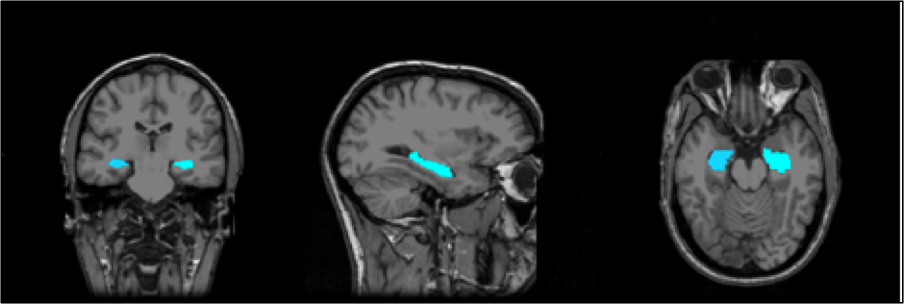
In Alzheimer’s, the part of the brain called the hippocampus experiences great neuronal cell death and amyloid plaques accumulate throughout the brain, Shpanskaya said. The hippocampus is important for memory, and Alzheimer’s disease is characterized by progressive memory loss. In the brains of patients with Alzheimer’s, the protein amyloid-beta builds up whereas this protein is normally broken down, Shpanskaya clarified.

Shpanskaya explained that the study she is working on has found that patients with higher education (17 or more years) had greater hippocampal volume size than those with less education (less than 12 years). Those with more education also had less overall loss of hippocampal volume. Shpanskaya also said that those who challenge themselves cognitively benefit: they retain more functionality when afflicted by Alzheimer’s.

MRI image depicting the hippocampal region of interest used in computing hippocampal volume. Courtesy of the Alzheimer’s Disease Neuroimaging Initiative (ADNI).

“Education likely acts through neuroprotective mechanisms, thereby decreasing volume loss to delay cognitive decline. This is supported by our results,” said Shpanskaya.

At the conference, students also had a chance to interact with faculty members from other institutions, and attend “Lunchbox Learning” sessions on topics such as avoiding research misconduct and applying to graduate school.

Overall, students appreciated the opportunity to attend the symposium and meet students from around the state. “I thought SNCURCS was a great symposium that really did a good job of bringing together students from all sorts of research backgrounds together to learn from each other and share their work,” said Trinity sophomore Akhil Sharma. “SNCURCS really showed a good sample of the great research institutions North Carolina houses and it was a great feeling to be a part of it all.”

When the Genome Gets Personal

By Nonie Arora

It has been almost ten years since the first draft sequence of the human genome was completed in 2003, and some patients are starting to see benefits in clinic.

Dean Nancy Andrews

Dr. Nancy Andrews, Dean of the School of Medicine, recently spoke to undergraduate students about “When the Genome Gets Personal” over a hearty dinner of chicken stuffed with goat cheese, rice pilaf, and caramelized brussel sprouts. She was the latest guest in the 2012 Chautauqua West Lecture Series.

Andrews explained how DNA sequencing analysis can lead to a new diagnosis for patients. Even if the disease is not treatable, a diagnosis can mean a lot to patients and families, said Andrews.

“We are pushing boundaries between taking care of patients and doing research. The lines are blurry,” she said. Researchers want to sequence patient DNA to find causes for genetic diseases and, at times, to help individual patients who don’t have a diagnosis, according to Andrews.

She said it is easy to find variations in DNA sequence, but much, much harder to know how to interpret the changes. One of the tricky situations researchers face is telling parents or patients what they have found when they are not certain of the finding’s significance. She chairs a committee at Duke that is working on standards to help guide researchers to know what to report and how to design informed consent forms.

Andrews said DNA sequencing is already being used in clinical care: about $5 billion a year is spent on clinical sequencing. However, this sequencing is highly focused on genes relevant to the clinical situation; insurance companies will not yet support exploratory whole-genome sequencing. Andrews pointed out that there is a potential for exploitation by private for-profit companies with DNA sequencing capability, which may overstate their claims or capabilities.

Complicated scenarios can arise when sequencing is done in families. Among other issues, “There is a very real possibility of learning dad is not the biological father,” Andrews said.

Example of a pedigree generated from discussion of family history with patients, modified from Wikimedia Commons

Andrews said that clinical geneticists are going to need algorithms for interpreting sequence data and standard principles for revealing information for patients. These are under development at Duke and across the country.

Ultimately, Andrews thinks that personalized medicine “shouldn’t just be about genetics and genomics but [it should] also incorporate many other types of clinical data, including imaging studies and patient preferences, as well as a deep understanding of environmental factors.”


New Technologies Threaten Cognitive Liberty

By Nonie Arora

Nita Farahany, Duke Law School Professor

Where do we draw the lines when it comes to new technologies in neuroscience?

Duke Law professor Nita Farahany is setting out to answer this question through an exploration of something she calls cognitive liberty. She spoke to a crowd of physicians, nurses, faculty members, and students at the last Trent Center Humanities in Medicine Lecture Series event.

“What does it mean if our conscious awareness of making a decision happens after the decision has already been made by our brains? Does that tell us anything about the concepts of responsibility or freedom of thought?” Farahany asked.

She doesn’t buy into the idea that we are absolved of responsibility because we are essentially predetermined machines, even if scientists like Benjamin Libet have shown that there is brain activity before conscious awareness. She argues that although some things are predetermined, we still have the flexibility of choice. For instance, having many fast-twitch muscle fibers may be a precondition of becoming a world-class track athlete, but the choice remains of whether to train extremely hard to reach the goal.

“We are more than preprogrammed bits and bytes,” Farahany said. Under the assumption that we retain flexibility of our thoughts, Farahany is exploring how those thoughts ought to be protected.

Although neuroscience is still in its infancy, it holds the potential to detect and tamper with memories, she said. But she hopes to explore what types of rights we ought to retain and what limitations there ought to be on the technology.

Farahany said that the mind might hold a lot of information that is very valuable to the government and to businesses. She pointed out that our brains can uniquely identify speakers and sounds. New technologies could detect this information, which could be very valuable to a criminal investigation. But it is it permissible to detect our recognition of objects or people?

Eyewitness testimony has a high rate of falsity and sometimes witnesses lack memories of key information. However, what if false memories could be planted in eyewitnesses easily? Most people would agree that it would be impermissible for the government to create its own “star witness,” Farahany maintained.

Propranolol, a beta-blocker that may stop consolidation of fear. Courtesy of Mind Disorders

While many may worry about enhancement of selves or memories, diminishing memories is another concern. The drug propranolol, a beta-blocker, has significant promise for people who have suffered from a traumatic experience because it can block consolidation of fear, said Farahany. For instance, rape victims who take propranolol may be less likely to develop post-traumatic stress disorder. “When given the opportunity to intentionally diminish experience of an emotion, should [people] be able to do so?” she asked. Compensation through the tort system is based upon the degree of suffering. Would the compensation for a victim of a rape be decreased by using the drug? Alternatively, do victims have a responsibility to reduce their own suffering by taking the drug?

There are many more questions to answer, and Farahany hopes to do so with her framework of cognitive liberty that considers the pillars of self-determination, consent, freedom of thought, and risks and benefits to individuals and society when deciding where to draw the lines.


Wimberley LEAPED into Action with Refugees

By Nonie Arora

Wimberley in front of Egyptian post-revolution graffiti, Courtesy of Wimberley

Many Duke students are unaware of the significant refugee population in Durham. But this is not true of the twelve students who brought back the stories of many Iraqi and Bhutanese refugees from Egypt and Nepal last semester.

DukeImmerse LEAPED (the Law, Ethics, and Political Economy of Displacement) provided students the opportunity to immerse themselves in another culture, both at Duke by taking four related courses and abroad in Cairo, Egypt or Damak, Nepal. Trinity sophomore Ronnie Wimberley was one of the lucky twelve. Wimberley, originally from Detroit, MI but most recently from Columbus, Georgia has lived in four different states and has attended ten different public schools, so he was already accustomed to acclimating to new environments.

He heard about the program because he had already been involved with The Kenan Institute for Ethics through the Ethics, Leadership, and Global Citizenship FOCUS program. Wimberley is actively involved with Duke’s Debate team, is a Duke Colloquium Fellow, and works closely with the First Generation College Student Network.

While in Cairo, Wimberley had the chance to work with the UN Refugee Agency in Cairo, Egypt (UNHCR) and NGOs working with refugee communities. Duke students travelled to homes to interview refugees in groups of two accompanied by a translator.

Wimberley recounted how many refugees were ripped from their home environments in Iraq – as it was bombed severely – and sought refuge in Egypt. The Egyptian government did not support the refugees.

Some of his experiences were completely unexpected. “In Egypt they are a lot more patriarchal. I was the only male in the Egypt group, so they would assume that I was the leader of the group. They would divert from her [the translator] and come talk to me, even though she was the one who understood Arabic better. That was the most shocking part for me. I wasn’t prepared for that,” he said.

The view from Wimberley’s apartment depicting refugee apartments, Courtesy of Wimberley

After the trip, the students chose the most compelling stories to present to local Durham schools (watch online) and to publish in the magazine Uprooted/RerootedWimberley focused on the ways in which people’s ideas of masculinity changed after displacement. He said that displacement “changed power dynamics in the home, such that the men wanted to maintain control and influence, but they expressed concern about losing control of their children.”

His desire to combat the inadequacies of UNHCR and focus on international aid and development led him the following summer to the Duke in Geneva study abroad program, where he took classes in the political philosophy of development and international business to develop his analytical skills.

After Duke, Wimberley wants to work with the International Monetary Fund and learn how to move money more effectively to serve people. He said that money is not always effectively used, even by the United Nations, and he wants to tackle that problem.

Stem Cells Raise Tricky Questions

By Nonie Arora

Medicine is about more than difficult diagnoses and cutting-edge research. Research and treatments often raise tricky moral questions.

Jeremy Sugarman Credit: Berman Institute for Bioethics

Dr. Jeremy Sugarman, the founding director for the Trent Center for Bioethics, returned to campus last week to give a talk on the ethics of stem cell research and treatment for the Humanities in Medicine Lecture Series.

“Stem cells are a hot topic that have captured the imagination of people around the world,” he said.

“Is it better to use leftover embryos from IVF or to create them for research?” Sugarman asked. He said there is little consensus on this issue, and the question remains whether there is a moral distinction between discarded embryos or those created for research purposes. There is also the thorny issue of whether it is morally acceptable to destroy embryos to create human embryonic stem cells, said Sugarman, who is now at the Berman Institute for Bioethics at Johns Hopkins University.

Amidst the controversy surrounding the moral status of embryos, there has also been scientific controversy within the stem cell field. Sugarman spoke of Hwang Woo-Suk, who claimed to have cloned human embryos and extracted their stem cells. However, his data was fabricated, Sugarman said. Sugarman elicited laughs from the packed audience when he joked about Woo-Suk’s former title “Supreme Scientist of Korea,” an honor that was later revoked. The laughter was tempered by the understanding of how unethical it is to fake any research, but especially on this scale. Still, Sugarman says Woo-Suk’s example serves to show the effectiveness of peer review in realizing false claims.

Human Embryonic Stem Cells. Source: "Follow the Money – The Politics of Embryonic Stem Cell Research." Russo E, PLoS Biology Vol. 3/7/2005, e234 http://dx.doi.org/10.1371/journal.pbio.0030234

Another issue many people are concerned about are chimeras – organisms that have parts from two different genetic lines. Already, bone marrow transplants create human-to-human chimeras, Sugarman explained. Some people have qualms about combining materials from human and non-human animals.

Other countries differ from the U.S. in policies on what can be done with human embryonic stem cells. For instance, in Germany it is a criminal offense to destroy an embryo to create a human embryonic stem cell line. It is also illegal for a German citizen to do such work abroad, Sugarman said. He brought up this point to illustrate why local oversight within academic institutions is necessary to not only make sure that research is “ethically and scientifically sound” but to also be certain that researchers are being protected.

Ethics in delivering care is equally important. “The desire for access to investigational treatments abounds, especially for devastating disorders,” according to Sugarman. But this is no reason for unsafe treatments to be delivered to patients. “It turns out some stem cell-based interventions are being delivered to patients without sufficient published data regarding safety or efficacy,” he explained.

Ultimately, scientific and commercial interests will be considered along with the hopes of patients and politicians when it comes to stem cell research and treatments, Sugarman said.

Student Cameron Kim, Working to Reprogram Cells

By Nonie Arora

Meet Cameron Kim – a Pratt Engineering student working on synthetic biology who also officiates for the Duke Quidditch team. Originally from Brandon, Florida, Cameron became interested in molecular biology and engineering in high school.

Kim Observing His DNA Gel Credit: Cameron Kim

“I see most people identify biomedical engineering as biomechanics, neural engineering, and electrophysiology,” he says, “but there’s really this other side growing quicker and quicker, which is using the tools of molecular biology to control how we as humans function and interact with the environment.”

In Dr. Charles Gersbach’s lab, he has been working to create artificial transcription factors. Being able to control gene expression through transcriptional factors is vital to modulate cell behavior and human functions, Kim says.

Kim drew an analogy between a transcription factor and a light switch dimmer, saying that transcription factors allow for a range when turning on and off specific genes. He says that artificial transcription factors would allow him to influence a cell’s own genome without having to add extra copies of a gene. The goal is to develop a tool to reprogram cells that his lab can use to study muscle development and to hopefully repair muscles. His lab is looking at different ways to develop therapies for Duchenne muscular dystrophy.

Kim thinks that engineering design principles that he has learned through his Pratt coursework are really important to his project. “When I explain my research to a lot of people, they think I’m just doing molecular biology,” he says, “but by knowing the parts and understanding my materials, I can design biological molecules and tools do what I want them to do.” While we may traditionally associate engineers observing factors like the terrain or landscape to build a bridge, he looks at factors like energy barriers and cell functions to apply design principles to molecular biology.

Kim Presenting at the Howard Hughes Research Symposium Credit: Cameron Kim

Research is full of challenges, and Kim’s projects have been no exception. He says it has been challenging to develop his tool. While it looks great in one test, it does not work with another one. He is still investigating whether he should be looking for other factors to control or whether the challenges are due to biological limits.

When asked what advice he would give to other undergrads excited about delving into research, Kim said to recognize that “you’re not going to know everything and even brightest minds in the field don’t know everything,” and to also “find out more about whatever you’re interested and take advantage of wide base of knowledge around you.”

His project initially came out of the Howard Hughes Research Fellows Program, which he encourages first-year students to consider. Kim says, “An immersion program in research can be a just as exciting new environment as an immersion language program in another country.”

After Duke, Kim hopes to pursue medical research. He wants to ask questions like: “How can I bridge the gap from bench to bedside? What tools can I develop to reach a clinical applications?” He feels lucky to have been mentored by excellent scientists and would like to do the same for others in the future.

Crossing the Valley of Death

By Nonie Arora

David Adams shared his concerns about the output of America’s drug development pipeline at last month’s Science and Society Journal Club at the Institute for Genome Science and Policy (IGSP).

When it costs more than $1 billion to bring a drug to market with many failures along the way, “many (drug) companies are focused on de-risking,” according to Adams, an Associate Professor of Medicine in the Division of Medical Oncology.

Adams said the pharmaceutical industry seems to be counting on biotech companies and academia to help drugs cross the “Valley of Death” in anticancer drug development, but that has yet to happen.

While the rate of publication and quantity of scientific data continue to increase rapidly, not enough funding is being devoted to the “translational” research, which helps an idea make it from the lab to the clinic, Adams said.

Example of a tissue chip project sponsored through NCATS to improve drug safety. Credit to NCATS website.

The pharmaceutical industry has cut down on translational research, Adams said. Essentially, companies don’t want to take on projects unless they have a very high probability of success.

He also said that the National Institutes of Health (NIH) is generally risk adverse and tends to fund projects that represent “the next logical step,” rather than going for higher-risk, but potentially higher-gain ideas. The National Center for Translational Sciences (NCATS), established by the NIH director Francis Collins last year, is a promising step, Adams said.

When researchers design their cancer studies, many times they “don’t really take into account tumor physiology because we live in this era of molecular biology,” Adams said. He believes accounting for tumor physiology is very important. For example, doctors are rarely able to monitor how much drug makes it to a tumor, but translational research could solve this problem, said Adams.

Adams said drug development is also hampered by a human tendency toward  “technological lock-in.”


Personal Genome Machine Sequencer Credit: Benchmarks, a publication of the National Cancer Institute

“Why do we not change the way that we do things when there is compelling evidence to do so?”  He argued that:

1) people resist change in research and clinical environments because they are creatures of habit and convenience,

2) academics and clinicians often operate in silos rather than multidisciplinary teams that would enhance communication, and

3) we are obsessed with technology, as evidenced by genomics.

Adams said a new area to watch out for is theranostics: compounds that combine a therapeutic and diagnostic in the same formulation. Another area is miniaturization of electronics to permit real-time measurement of drug activity in and around tumors. An implantable radiation dose monitoring system is already commercially available and implantable sensors for management of diabetes are in the pipeline.

Ultimately, greater emphasis on translational research and breaking technological and organizational lock-in may help us cross this “Valley of Death,” he said.

Trinity Junior in Phoenix for Summer, Doing Real Research

By: Nonie Arora

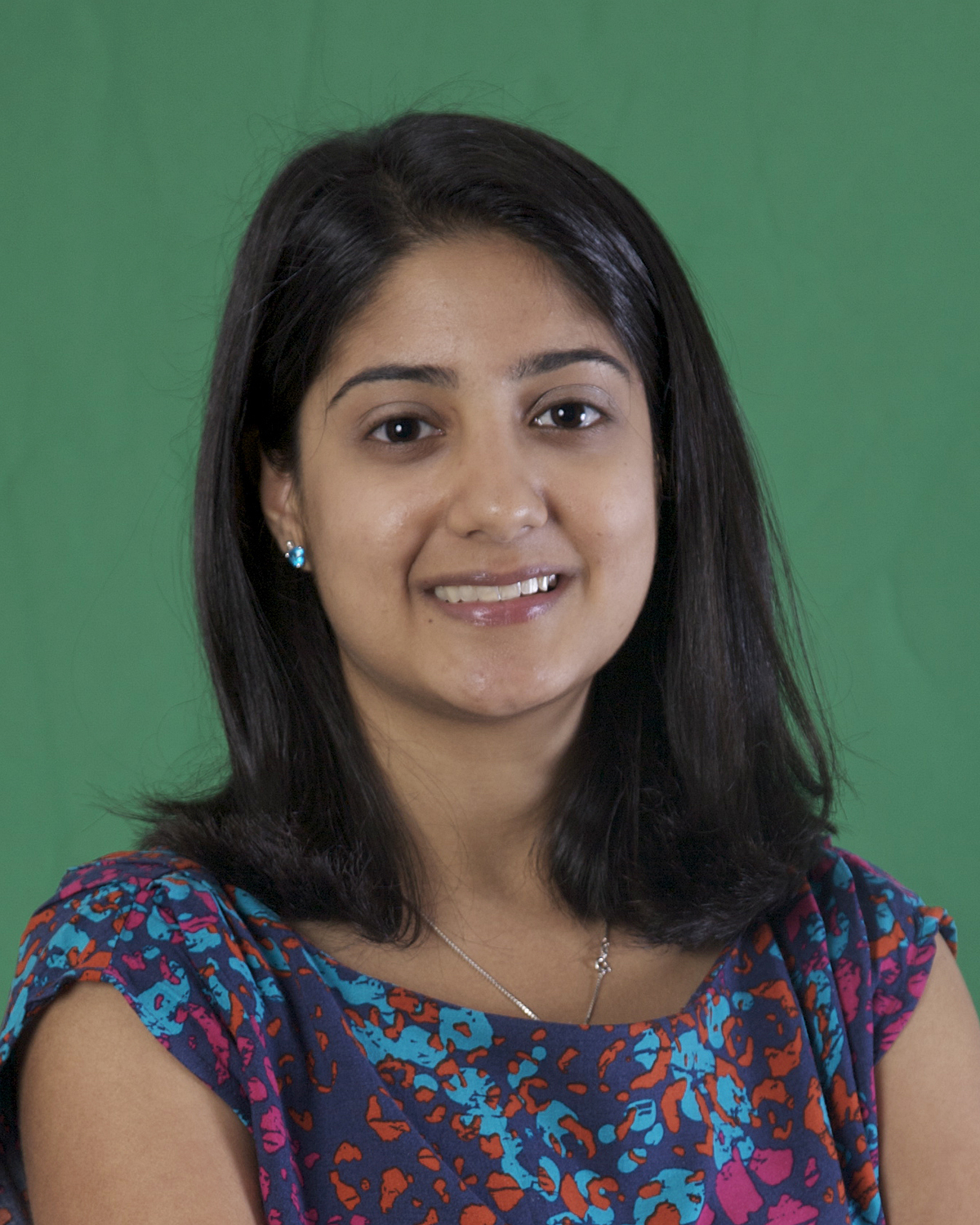
Sonya Jooma, Trinity '14, provided by Steve Yozwiak

Rising Trinity Junior Sonya Jooma is in Phoenix, Arizona this summer working at the Translational Genomics Research Institute (TGen) as an intern in the TGen-Duke Biomedical Futures Program. This is the first year TGen and Duke have partnered to offer a funded biomedical research internship exclusively for Duke students. Jooma and a second Duke undergrad, Geoff Houtz, are the first two students to participate in this pilot program.

The TGen-Duke Biomedical Futures Program joins the growing list of Duke programs for students excited about genomics, such as the Genome FOCUS program and the Institute for Genome Sciences & Policy Summer Fellowship. In fact, the Genome FOCUS spurred Jooma’s enthusiasm for genomics research. Last year, she worked in the John Willis lab researching plant genetics as part of the Howard Hughes Research Fellows Program.

Her project at TGen, in the lab of Dr. Lisa Baumbach-Reardon, centers on the genetic basis of Infantile Spinal Muscular Atrophy. This disease causes muscle weakness and abnormality at birth. Afflicted children often die before their second birthday. According to Jooma, there are cases of this disease for which the genetic basis is unknown. As part of her lab’s exome sequencing project, they hope to identify mutations involved in the disease.

Jooma says her TGen experience has been great so far. She finds it similar to working in a research lab at Duke because of the similar lab hierarchy. However, she appreciates that TGen has overarching specific goals that focus on translating discoveries to clinical diagnostics and therapies. Jooma also looks forward to attending professional development workshops and presenting her work at TGen’s annual intern research symposium in July.

Ultimately, Jooma’s experience at TGen will be one of many exciting research projects: she hopes to pursue a career in biology research.

A Desensitized Fool Can Be a Little Monster

By Nonie Arora

Lady Gaga Caution Tape Outfit, Credit: New York Magazine

Look at the Lady Gaga photo, how shocking do you find it?

Many people find Lady Gaga’s outfits shocking.  But they don’t always think so the fifth time they see the same outfit. According to a recent study, extra exposure to photographs of Lady Gaga changes how subjects predict others will react to seeing the image for the first time.

Troy Campbell, a marketing PhD student in Fuqua, conducted a study to determine whether people who are desensitized by repeated exposure to a shocking picture will be able to accurately predict how someone else will react. He conducted the research with Ed O’Brien at the University of Michigan and other social scientists at Duke University, the University of Michigan, and the University of Colorado. Their overall finding is that desensitized subjects don’t do as well at predicting others’ reactions.

A simple example of desensitization would be hearing the same joke five times. It gets less funny. Generally people believe that experience leads to predictive knowledge, so it’s interesting that that test subjects got worse at predicting how others would respond to the Lady Gaga photographs.

In follow-up studies, Campbell and colleagues found that more exposure to the same jokes made people worse at selecting a joke that unexposed audiences would find the funniest. According to Campbell, people generally understand that they and others desensitize at times, but they frequently fail to notice and correct for it in themselves and others, and that can lead to poor decisions.

Troy Campbell

“Desensitization can not only turn us into ‘fools’ who tell the wrong jokes but also ‘monsters’” Campbell says. In one study, the researchers exposed two groups of human subjects to a painful noise for 5 or 40 seconds and then asked how painful the last few seconds of the noise was. The people who heard the sound for longer found the last few seconds to be less painful. The subjects were also asked to predict how painful 5 seconds of the noise would be for a person who had never heard the sound. People who had heard the sound for longer said the next five seconds would be less painful. Now what is fascinating is that people exposed to the sound for 40 seconds reported that they would feel less guilty when exposing the noise to someone else. Presumably, this is because the group of people exposed to the noise for 40 seconds perceived less pain in the last few seconds because they became desensitized.

Campbell says it can be dangerous when people project their sensibilities on to other people.

Campbell and O’Brien are looking to continue this line of work by investigating whether people are forgetting their original response of how they felt when they first saw the Lady Gaga image. This is one way to consider the bigger question: “Are memories we’re not thinking about truly gone or can they be accessed completely or in a flawed way?” How about you, do you remember distinctly finding the Lady Gaga photograph less shocking a minute ago? Campbell and his colleagues want to know; leave a comment below and help them with their future research.

Before coming to Duke, Campbell studied psychology at UC Irvine where he was mentored by Elizabeth Loftus and Peter Ditto. He began his undergraduate studies focused on creative writing, but became more interested in psychology. He thinks that social science is exciting because it can test competing theories of conventional wisdom. Good ideas can come from day to day conversations, according to Campbell. Campbell also worked for a summer as a Disney Imagineer, which gave him the opportunity to improve visitors’ Disney experience. Now, Campbell is collaborating with Peter Ubel and Dan Ariely as he pursues his doctoral degree in marketing from Fuqua.


Page 3 of 4

Powered by WordPress & Theme by Anders Norén